Will a confrontation with Iran erupt after the Israeli and American elections?
Amman7 min read
Share
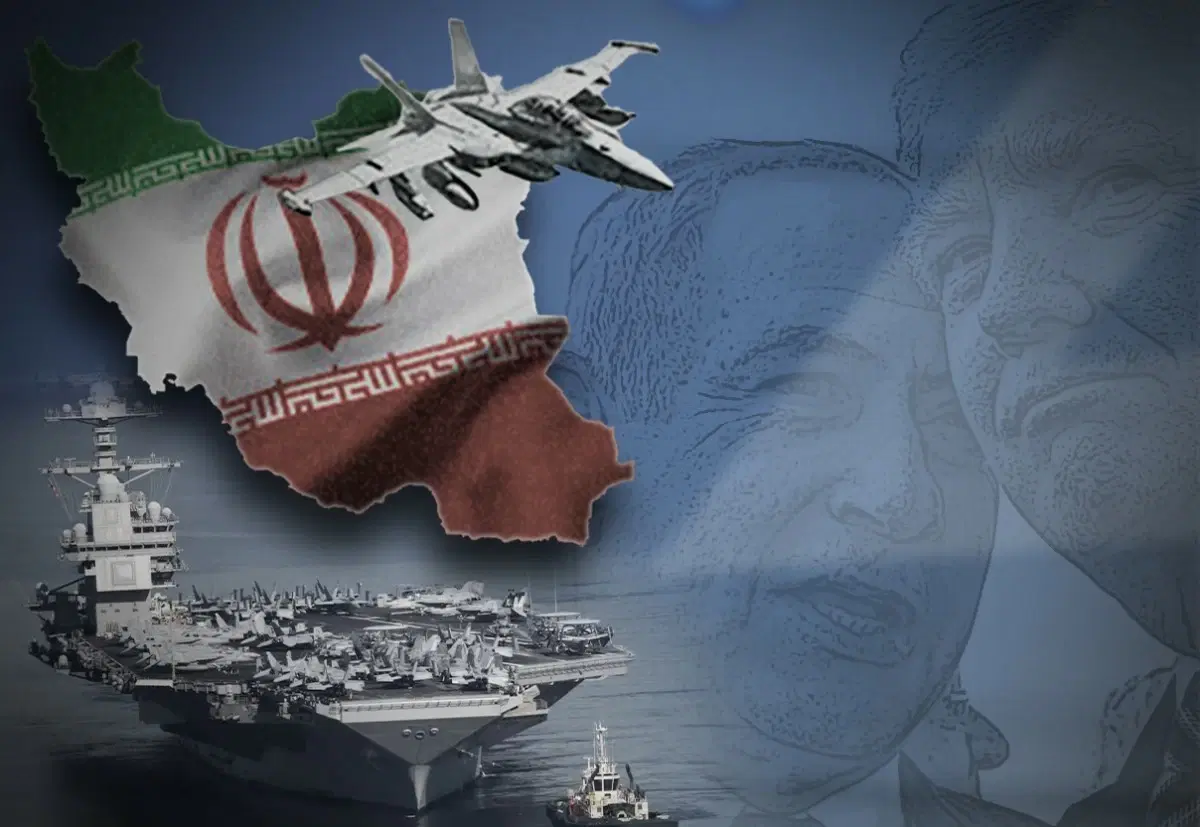
As the polls close in Israel and the United States enters the final days preceding the midterm elections scheduled for November 3, political calculations in Tel Aviv and Washington are intertwined regarding the possibility of a renewed military confrontation with Iran, amid estimates pointing to a limited temporal window that may allow a military strike before the balance of political power shifts in the United States.
While the prospects of weakening U.S. President Donald Trump's control over Congress loom on the horizon, the results of the Israeli elections open the door to a phase of political bargaining to form a government, after the two main blocs failed to secure the required absolute majority of 61 Knesset seats.
This scene places the two leaderships before complex calculations, between capitalizing on available military opportunities and avoiding sliding into an open-ended war whose course and end are difficult to control.
These facts raise questions as to whether the period following the U.S. elections will constitute an opportunity to make a military decision against Iran, or whether political and economic pressures will push Washington and Tel Aviv to postpone the confrontation and return to the diplomatic track.
In a reading of Israeli options, Major General (Res.) Tamir Hayman, former head of Israel's Military Intelligence Directorate and managing director of the Institute for National Security Studies (INSS), warns that military superiority and the ability to achieve field achievements are not enough on their own to guarantee sustainable strategic results. In an analysis published on the N12 website, he believes that any decision to launch a new attack must be based on clear objectives, a specific plan to end the war, and a readiness to face its long-term ramifications.
The Israeli debate is based on estimates concerning Iran's accelerated rebuilding of its capabilities in three main areas, including uranium enrichment in fortified underground facilities, missile production, and the rehabilitation of cadres associated with its nuclear program. Conversely, proponents of this view believe that the economic pressures facing Tehran could make targeting its infrastructure more impactful and provide an opportunity to weaken its capabilities in the long run.
However, Hayman warns that previous experience has demonstrated the limits of tactical superiority in achieving political goals, pointing out that Tehran retains the ability to influence the course of the confrontation and impose its cost on its adversaries. Furthermore, the absence of a clear vision for the post-strike phase could turn initial military success into a protracted confrontation that drains the participating parties.
This possibility becomes increasingly complex in the absence of a clear consensus regarding the objective of overthrowing the Iranian regime—an objective that, according to military assessments, requires preparations that go beyond air and missile strikes to broader and more costly options.
Therefore, Hayman stresses the necessity of defining the ultimate goal of any military operation, establishing a mechanism for its conclusion before launching it, and preparing for Iranian responses that may target regional and international interests, including navigation through the Strait of Hormuz and vital infrastructure.
In Washington, the proposed options range from launching a limited military strike to re-imposing deterrence and pressuring Iran, to avoiding escalation until the results of the U.S. elections and the path of negotiations become clear.
U.S. media reports indicate discussions of options targeting facilities associated with missiles, drones, and Iranian infrastructure, without necessarily implying a decision to strike the entire nuclear program.
The elections impose their calculations on the Trump administration, as their results could affect the Republicans' ability to pass policies within Congress, while rising fuel prices and the repercussions of any military escalation on the U.S. economy could reflect on the electoral mood.
From this perspective, the period following the vote may seem like an opportunity for the White House to act before the new balance of power becomes clear, but it could also turn into a source of additional pressure if the results show a decline in political support for the president.
A fundamental difference between American and Israeli calculations emerges here. Washington may view military force as a pressure tool to push Iran to return to negotiations and make concessions regarding its nuclear and missile programs, whereas Israeli circles believe that the confrontation may allow inflicting long-term damage on Iranian nuclear capabilities and reducing the threat it poses to Israel.
This divergence means that military coordination between the two parties does not guarantee the alignment of their political objectives; the United States may seek to contain escalation after achieving negotiating gains, while Israel may press to continue operations until broader objectives are achieved.
This difference in priorities would weaken the chances of agreeing on a unified strategy, especially if the confrontation widens and its regional and international costs rise. In light of these data, three potential tracks emerge: the first is launching a limited strike after the U.S. elections, with the aim of pressuring Tehran and re-imposing deterrence without engaging in a comprehensive war.
However, the success of this option remains tied to the extent of Iran's readiness to contain the response, as targeting American interests or threatening navigation in the Strait of Hormuz could widen the scope of the confrontation and dispel the bet on keeping it limited.
As for the second track, it consists of postponing the military decision until the picture of the next Israeli government becomes clear, allowing the political leadership to determine its priorities and evaluate the prospects of coordination with Washington.
Yet, waiting may in turn alter American calculations if the elections produce a Congress more inclined to restrict the administration's options in foreign policy or increase oversight on war decisions and military spending.
The third track is returning to negotiations, either directly or through intermediaries, to avoid an open confrontation.
Despite ongoing disagreements over the Iranian nuclear program and the conditions for negotiation, this option remains on the table as long as diplomatic channels exist, especially if Washington concludes that containing escalation and protecting energy markets is more viable than opening a new military front.
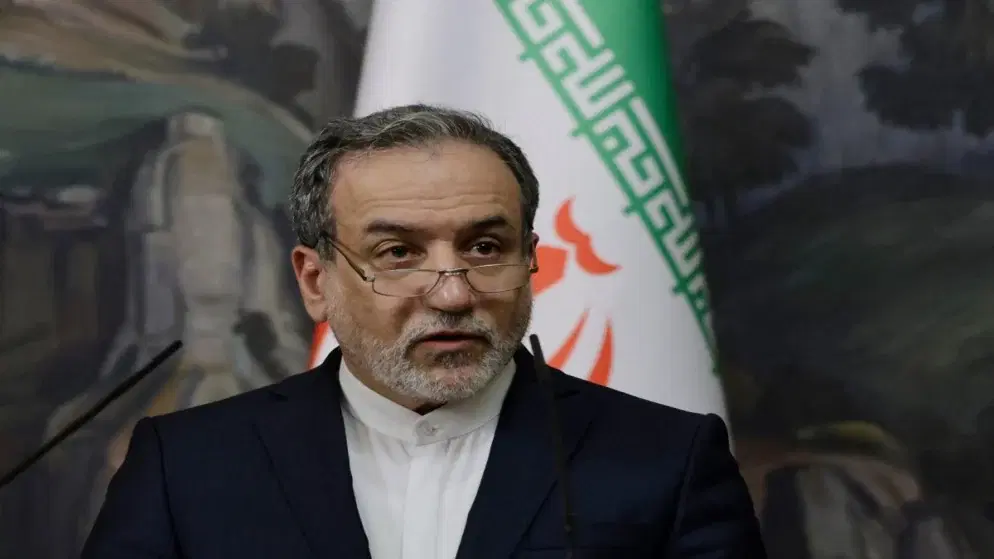
Declared Iranian positions reflect Tehran's adherence to its right to develop nuclear technology and its rejection of relinquishing it under pressure, indicating that any negotiating path will face fundamental disagreements over the limits of the nuclear program and the guarantees required from the various parties.
Ultimately, the intersection of electoral and military calculations does not mean that war has become inevitable, but it makes the coming period governed by a delicate balance between the opportunities for escalation and the risks of sliding into a broad confrontation. The results of the U.S. elections may afford Trump a margin to maneuver, but this does not negate the constraints associated with the U.S. economy, the positions of Congress, the Iranian reaction, and the divergence of objectives between Washington and Tel Aviv.
The question raised by Hayman remains pivotal: What will be different this time? Possessing the capacity to launch a military strike does not guarantee the achievement of political goals, just as weakening Iranian capabilities does not, in itself, provide an answer on how to end the war or prevent its recurrence. Between the Israeli desire to capitalize on what it considers a strategic opportunity, and Trump's political and negotiating calculations, the prospects of confrontation will remain tied to the clarity of objectives and readiness to bear their ramifications, not merely the conclusion of the elections.