Ben-Yishai attributes the Iranian regime's ability to withstand to the nature of its ideological and religious structure, as remaining in power and refusing to submit to the United States and Israel, according to his analysis, represents an existential goal for the Iranian leadership. Furthermore, the absence of an organized opposition force within the country that possesses the necessary military and organizational capability to confront the Revolutionary Guard and the Basij forces, and to provide a political alternative capable of assuming power, reduces the chances of toppling the regime through air strikes alone.
He points out that US President Donald Trump, the hardline wing of his administration, Israeli Prime Minister Benjamin Netanyahu, and senior security officials in Israel realize that achieving a decisive victory cannot rely on air power alone, but requires the presence of forces on the ground capable of bringing about actual change in the regime's structure. However, resorting to this option involves high military and material costs, in addition to the possibility of large numbers of casualties among American and Israeli forces, which makes ground intervention fraught with great risks.
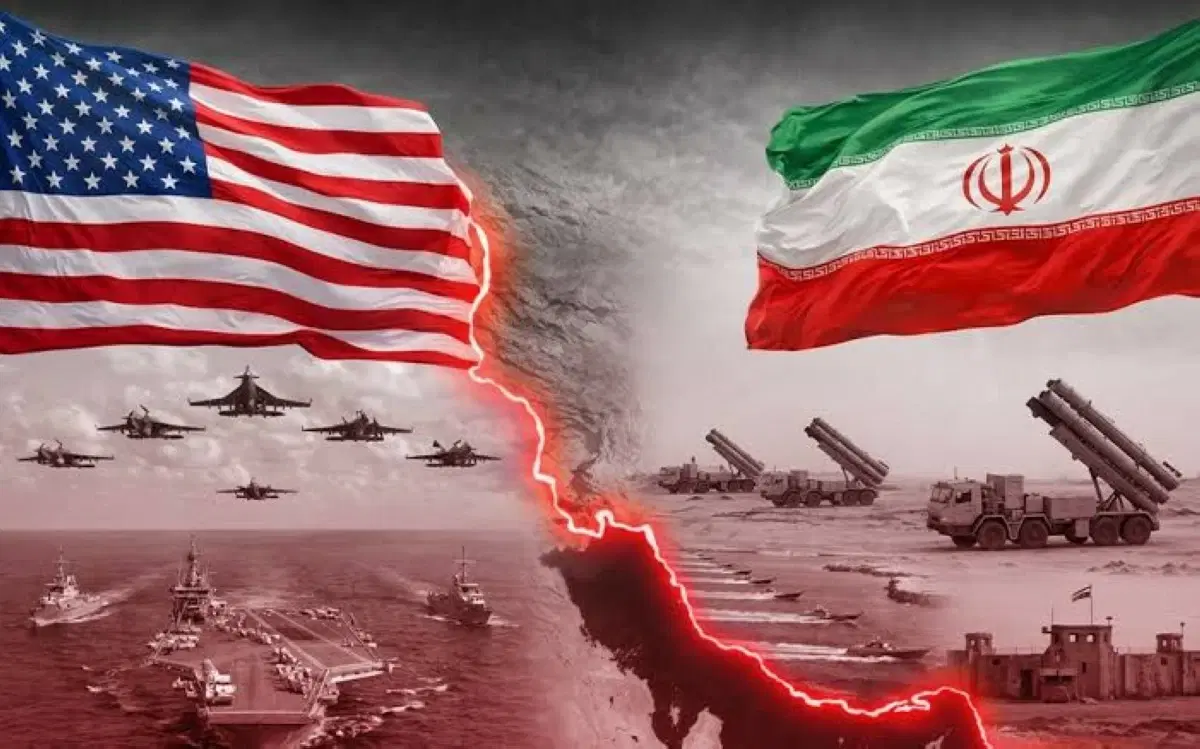
Conversely, the chances of reaching a political settlement acceptable to both parties seem limited, given the significant divergence between the positions of Washington and Tel Aviv on one side, and Tehran on the other. According to experts, Iranian Supreme Leader Mojtaba Khamenei is listening to voices within the Iranian leadership calling for negotiations with the Americans, with the aim of returning to the memorandum of understanding signed last June, which was drafted during negotiations with US Vice President JD Vance in Islamabad, mediated by Pakistan. However, this memorandum is considered in Israel, as well as by a faction of Republicans in the United States, as a conciliatory document that includes major concessions to Iranian demands.
Ben-Yishai confirms that Netanyahu and the heads of the Israeli security establishment see toppling the Iranian regime as the only guarantee to achieve strategic goals, but he stresses that regime change in hostile countries is not usually achieved by air bombardment alone, but requires an organized force capable of operating on the ground within the territory of the targeted state.
The ability of the Revolutionary Guard and the Basij to contain internal challenges has shown once again that the Iranian regime still possesses security, military, and administrative tools that help it maintain its power.
Ben-Yishai identifies two potential sources of power capable of bringing about change on the ground in Iran: American or Israeli forces, or trained and equipped opposition organizations that can confront government forces. However, both options face major obstacles; direct military intervention involves wide risks, while opposition organizations are subject to pursuit by Iranian authorities, who collect intelligence on them, arrest their members, torture them, and execute some of them.
He points to the existence of several opposition organizations active in Iran, especially among ethnic minorities, including Kurds, Balochs, Arabs, Azeris, and Lurs, noting that some of these organizations receive support from the US Central Intelligence Agency, the Mossad, and Arab intelligence services. However, these groups, according to his assessment, do not currently possess sufficient power to confront the Revolutionary Guard and the Basij and bring about a decisive change in the balance of power within the country.
These data place the Trump administration and the Israeli leadership before fundamental questions regarding the feasibility of launching a new round of air strikes, after two broad joint operations that did not, according to this assessment, lead to changing the Iranian regime's behavior or forcing it to make substantial concessions. Ben-Yishai raises a question about what an additional round could achieve if previous rounds did not succeed in achieving their goals, even if they were expanded to include energy facilities and electricity and water infrastructure.
For although targeting these facilities may increase economic pressure on the regime and weaken its ability to manage the country, it may also lead to exacerbating the suffering of Iranian civilians and reinforce feelings of hostility toward the United States and Israel, which may allow the Iranian leadership to employ the attacks to mobilize the domestic front and consolidate its power instead of weakening it.
In this context, the Israeli army and the Mossad, according to Ben-Yishai, still lack a clear practical answer regarding the additional gains that could be achieved from a new military round, compared to what was achieved in previous confrontations. At the same time, the Israeli Air Force continues to maintain its readiness to carry out rapid operations, which imposes significant physical and psychological burdens on pilots and ground crews, especially in light of the difficulty of predicting Trump's decisions and the possibility of him launching a new military operation with Israeli participation.
The Israeli army advises Netanyahu not to rush into a decision to escalate, as the passage of time allows the Israeli military industries to produce more interceptor missiles and long-range precision offensive weapons, which enhances Israeli military capabilities in anticipation of any future confrontation. This comes at a time when estimates continue regarding the repercussions of any military operation on the eve of the Israeli elections on Netanyahu's political chances.
On the other hand, Trump and his advisors believe that the naval blockade imposed on Iran has begun to achieve its goals and constitutes increasing pressure on the Iranian leadership. With the decline in oil exports and the worsening shortage of foreign currency, US intelligence agencies, as well as Israeli military intelligence, believe that the impact of the blockade may currently exceed the impact of military strikes, even if this pressure might push Tehran to escalate the confrontation in an attempt to break it.
Accordingly, continuing the naval blockade, in parallel with maintaining a large naval force capable of exerting pressure on Iran, seems to be an alternative option to launching a new round of air strikes in the near term.
This assessment suggests that Trump will avoid rushing to attack Iran even after the US midterm elections, especially if the Republicans lose their majority, which could increase political constraints on his military decisions.
In light of these calculations, the United States and Israel find themselves facing the necessity of searching for a different approach to dealing with Iran, at a time when air superiority alone does not seem capable of toppling the regime or forcing it to surrender, while ground and political options remain fraught with risks and complexities.