“Blitzkrieg” on Iran.. Netanyahu maneuvers and Trump curbs escalation
Israeli sorties on the Iranian border.. A military parade at an electoral time
Amman7 min read
Share
Pre-midterm congressional election calculations prevent a major confrontation
Indicators are increasing that military escalation with Iran is being employed in Israeli political calculations on the eve of the Knesset elections, amid reports of preparations for a large-scale attack that Washington halted, and long-range Israeli air sorties that simulated an attack scenario and approached the Iranian border before returning to their bases.
While Prime Minister Benjamin Netanyahu clings to a rhetoric of security threats, circles within the security establishment warn against the consequences of being dragged into a new confrontation at a sensitive electoral time, while US President Donald Trump insists on avoiding a war whose repercussions might overlap with the midterm congressional elections on November 3rd.
Israeli and American reports reveal a disparity in assessments regarding the feasibility of launching an attack on Iran before the elections, between Netanyahu's political calculations and military reservations, amid fears that any uncalculated escalation could lead to the resumption of confrontation, or that the threat of war could turn into a tool to mobilize voters and reshape the Israeli political landscape.
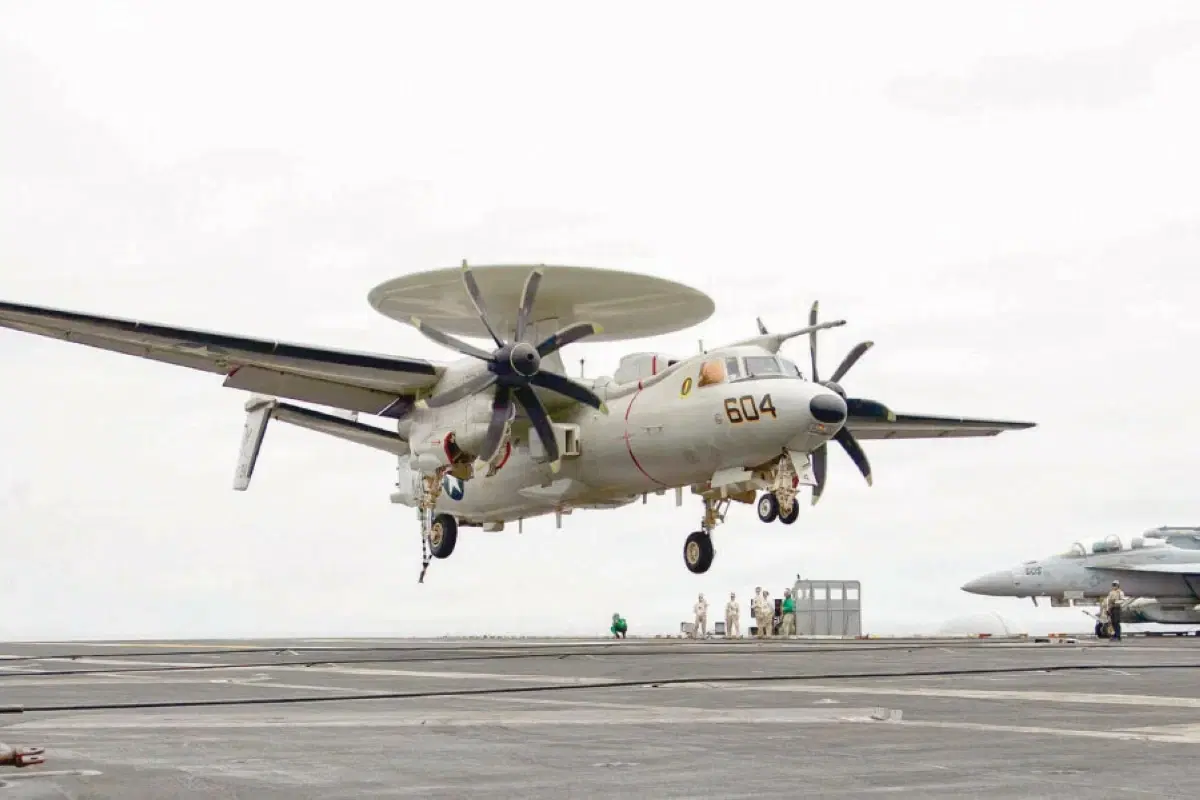
In the latest indicators of this atmosphere, American sources revealed to Israel's Channel 12 that dozens of Israeli fighter jets and refueling aircraft carried out, last Monday and Tuesday night, a long-range air sortie over Syria and Iraq, during which they approached the Iranian border before turning back to their bases.
According to the sources, the sortie simulated an actual attack scenario by crossing Syrian and Iraqi airspace and approaching Iranian territory, in a move that Tel Aviv realized Iranian air defense systems would detect, which increases the chances of miscalculation and the outbreak of an unplanned confrontation.
The sortie coincided with the visit of US Secretary of Defense Pete Hegseth to Israel, where he met with Netanyahu and Minister of Defense Israel Katz at Nevatim Airbase. Although Israeli and American officials confirmed that the move was not exceptional, the scale of participation and the nature of the flight path raised questions about the military messages Israel wanted to send to Tehran, and the extent of their connection to preparations for the possibility of resuming the war.
In this context, American estimates suggested that the sortie had a deterrent nature, while it raised fears that the approach of Israeli aircraft could lead to an Iranian response that would give Tel Aviv a pretext to expand the confrontation.
However, this reading remains within the framework of estimates reported by sources, in the absence of independent confirmation that Israel was actually seeking to provoke an Iranian military response.
These developments come in the wake of reports about Israel being close to carrying out a large-scale attack on Iran on October 10th, before the US administration prevented it from proceeding, according to a report by the British newspaper "Financial Times," citing its correspondent in Israel Neri Zilber, and discussed by military journalist in "Haaretz" newspaper Amos Harel.
According to these reports, Netanyahu ordered preparations for the operation, while the Israeli military leadership expressed reservations regarding its timing and the intelligence necessity that requires its implementation, as well as its potential repercussions on the elections. The published accounts indicate that Trump was not willing to be dragged into a wide-scale confrontation before the midterm congressional elections on November 3rd, which contributed to stopping the operation before it was carried out.
The dispute, according to Harel's analysis, centers on the timing of the attack and its urgency in light of intelligence information, as well as the reality of the American position.
The analysis points to a gap between the impression Netanyahu sought to establish regarding Washington's readiness to participate in a new attack, and what sources reported about American directives being limited to operational readiness without an agreement on a specific date for implementation.
In parallel with these moves, reports indicated that the Israeli security establishment expressed reservations to the political level about launching an attack at the current stage, for fear that it would be interpreted as interference in the elections or the use of military capabilities in the service of partisan considerations.
Reports also spoke of raising the levels of American and Israeli military readiness in the region, and of precautionary measures related to American diplomatic staff in Iraq and other countries, including the departure of employees and their families while keeping emergency teams, according to what was stated in those reports.
This coincided with the escalation of internal debate regarding the possibility of a new confrontation, after Minister of Defense Israel Katz held opposition leaders responsible for any attacks that Israel might be subjected to during the election period, saying that the responsibility would be recorded in the name of Yair Lapid, Naftali Bennett, Yair Golan, and their companions in the opposition.
Katz's statements came in response to the position of opposition leader Yair Lapid, who said that, based on the information available to him, there is no justification for attacking Iran or any other party before the elections.
Lapid described Katz's statement as "unhinged and hysterical," considering it a gift to Israel's enemies, while the head of the "Yeshar" party, Gadi Eisenkot, accused the Minister of Defense of paving the way to shift responsibility onto his political opponents before any attack occurs.
In its editorial, "Haaretz" warned that public information and allegations circulating within the security establishment do not indicate a development in the Iranian nuclear program or missile system that requires an immediate Israeli attack. It considered that initiating an attack at this time, without a clear security necessity, might raise doubts about the separation between partisan interests and the requirements of military decision-making.
These warnings are not separate from Netanyahu's electoral calculations, as Harel believes that resuming the war with Iran might serve the Prime Minister even if his camp is unable to achieve a clear majority. Security escalation might complicate the chances of forming an alternative government led by Eisenkot or other opposition leaders, and increase pressure towards forming a national unity government, an option that might be more suitable for Netanyahu than moving to the opposition ranks.
In a parallel reading of the electoral scene, journalist Yossi Klein in "Haaretz" believes that the competition is no longer necessarily revolving between the right and the left as much as it centers on the position on Netanyahu himself, between the "Yes Bibi" camp and the "No Bibi" camp. He points out that fear and hatred have become among the most prominent drivers of the campaign, which enhances the ability of security rhetoric to influence voters, but it may also increase the intensity of political polarization.
In light of these data, the chances of launching an Israeli attack on Iran before the elections seem low, according to estimates reported by Israeli media, without this meaning that it is completely ruled out.
Netanyahu had said in an interview with the Israeli Broadcasting Corporation "Kan" that he does not believe that the overthrow of the Iranian regime will happen before the elections.
Israel still has several paths ahead of it: first, postponing any large-scale military operation until after the elections; second, continuing pressure and threats in a way that serves political and security calculations; and third, the possibility of a sudden escalation as a result of a miscalculation or a military incident. Some analysts also raise the possibility of Netanyahu resorting to a limited move if he feels that his electoral chances are declining, but this scenario remains within the framework of analysis and speculation, and there is no confirmed data proving that a decision has been taken in this direction.
Between air sorties simulating an attack, military preparations that have not reached the implementation stage, and warnings of resuming the war, security calculations are increasingly overlapping with the Israeli electoral entitlement.
While Washington seeks to avoid a wide-scale confrontation before the congressional elections, Tel Aviv faces a delicate equation between maintaining pressure on Tehran and avoiding a war that might exceed its declared goals and open the door to regional and political repercussions that are difficult to contain.
Thus, the potential confrontation with Iran does not seem to be just a postponed military decision, but a file in which deterrence considerations, risks of escalation, and the interests of political parties intersect, while air sorties and military movements remain messages open to multiple interpretations, not in themselves conclusive evidence that the decision for war has been taken.