Security calculations overlap with political conflicts
Accusations against Netanyahu of politicizing the war to gain votes
Follow Al Rai

Amid sharp political division

Security calculations overlap with political conflicts
Accusations against Netanyahu of politicizing the war to gain votes
Liberman demands investigation into Likud leader on suspicion of treason
Eisenkot calls on Israelis to oust the "reckless government"
Lapid accuses the "Right" of seeking to provoke a confrontation with Iran
"Haaretz": The Prime Minister is "hysterical and terrified to the point of horror"
West Bank under total closure on "Israeli election" day
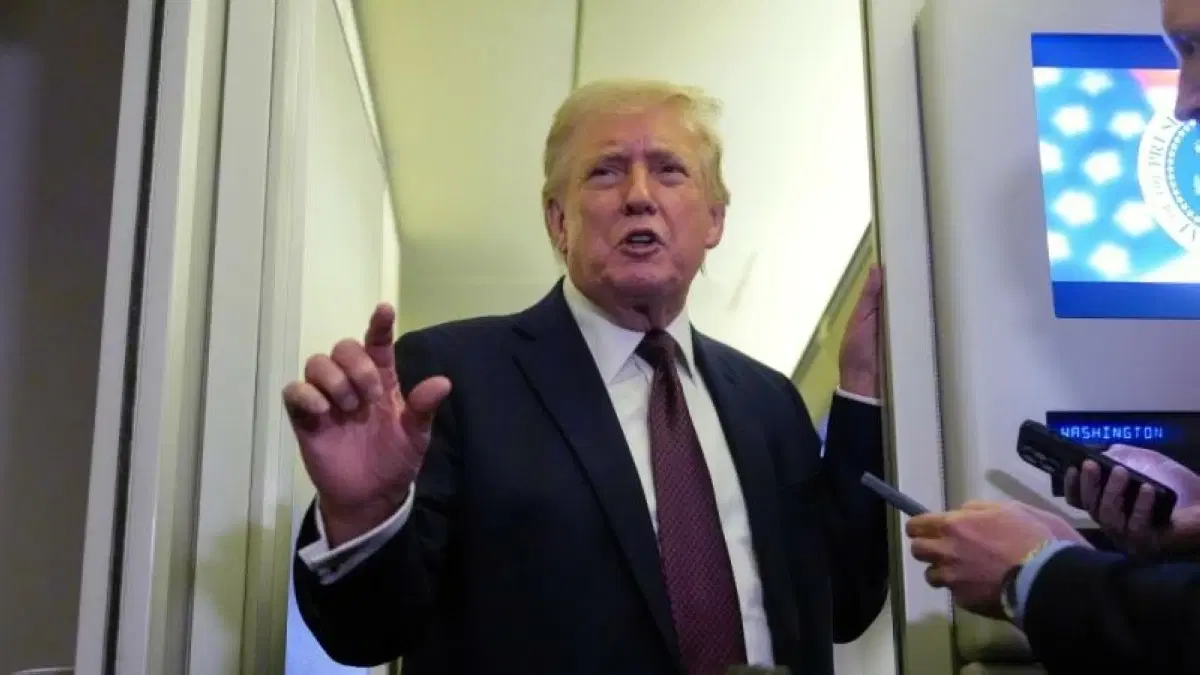
Israel heads to the polls today, Tuesday, amid sharp political division and intense competition, in light of accusations against Prime Minister Benjamin Netanyahu of exploiting the Iranian threat and security escalation to boost his electoral chances and maintain his hold on power.
The final hours of the campaign coincide with warnings about the repercussions of his government's policies on the economy and Israel's international relations, while occupation forces intensify their military operations in the West Bank and impose restrictions on the movement of Palestinians, in a scene that reflects the overlap of security calculations with the political conflict, and places Netanyahu's record in managing the war, security, and Israel's future before a decisive electoral test.
Netanyahu, who has spent nearly three decades in political life, is attempting to make security and external threats the centerpiece of the electoral battle, presenting himself as the one capable of confronting Iran and completing the war's objectives. However, his opponents accuse him of exaggerating security risks and distracting from internal failures and the consequences of the war, in light of the close competition with the change camp led by former Chief of Staff Gadi Eisenkot.
In a notable escalation, Yisrael Beiteinu party leader Avigdor Liberman demanded that the government's legal advisor open a criminal investigation into Netanyahu, against the backdrop of what he described as attempts to pressure the military establishment to act against Iran ahead of the elections, considering that exposing soldiers to unnecessary risks for political purposes is extremely dangerous.
Liberman's demand followed a report broadcast by Israel's Channel 12, which stated that a dispute had occurred between Netanyahu and Army Chief of Staff Eyal Zamir regarding military directives related to the Iranian file, amid reports that Zamir demanded a detailed discussion and legal guarantees before implementing them.
The details of those directives were not disclosed, while Defense Minister Israel Katz denied the existence of disputes between the political and military leadership, confirming that coordination regarding Iran is complete and that decisions related to this file are based on security considerations.
For his part, Netanyahu's main rival, former Chief of Staff Gadi Eisenkot, said that Zamir has his full confidence, adding that he would not accept turning the military establishment into "a tool in Netanyahu's campaign to remain in power."
Eisenkot wrote on the "X" platform on Sunday evening, "I warn Netanyahu, do not dare to put your political interests above the security of the state." He added, "Today, the citizens of Israel will put an end to this reckless government, and will restore responsibility, integrity, and the security of Israel."
During his election campaign, Netanyahu sought to portray Eisenkot as lenient toward Iran and submissive to the interests of Arabs and Palestinians, benefiting from some voters' opposition to the establishment of a Palestinian state.
In turn, opposition leader Yair Lapid accused Netanyahu and the far-right government of seeking to provoke a confrontation with Iran to postpone the elections, while Eisenkot warned against turning the military establishment into a tool in the Prime Minister's political battle, stressing that electoral interests must not take precedence over the security of the state. In contrast, Netanyahu continued to warn of the Iranian threat, speaking of the possibility of launching attacks aimed at disrupting the elections, and stressing that his government alone is capable of completing the military mission.
Criticism extended to Netanyahu's economic discourse, after he warned of the possibility of international sanctions being imposed on Israel and a decline in the integration of its economy with global markets.
Analysts in the newspapers "Haaretz" and "Yedioth Ahronoth" considered that these statements reflect a shift in the Prime Minister's rhetoric, from promoting his government's achievements to warning of a bleak future the country might face, in light of increasing international criticism of its policies during the years of war.
An editorial in "Haaretz" described Netanyahu as "terrified to the point of horror, hysterical to the point of madness," considering that his campaign seeks to shift public debate away from political and security failures.
In turn, writer and analyst Nahum Barnea in "Yedioth Ahronoth" believed that some of the risks Netanyahu talks about are real, but he considered that his government's policies might contribute to deepening the crisis instead of addressing it, especially regarding international isolation and the possibilities of imposing sanctions.
On the ground, the Israeli army announced the execution of a military exercise involving several divisions and the Air Force in the areas of responsibility of the Central and Northern Commands, coinciding with the intensification of its operations in the occupied West Bank.
According to data in the reports, occupation forces raided about 46 villages and 411 locations over the weekend and arrested nearly 49 Palestinians, while Israeli reports indicated the arrest of suspects whom the authorities accuse of belonging to the Hamas and Islamic Jihad movements or participating in confrontations.
The occupation authorities also decided to prevent Palestinian workers from entering settlements in the West Bank and to close crossings to movement in and out during election day, in measures they said come within the framework of security measures related to the voting.
In Hebron, Netanyahu sought to highlight the recent shooting operation as a security achievement, pledging to implement what he described as the "Jenin model," based on intensifying military operations. However, military analyst Amos Harel believed that the speed of announcing the thwarting of a larger attack, and the leaks regarding the backgrounds of the attackers, raised questions about the exploitation of the operation in electoral discourse, considering that the escalation in the West Bank might constitute an alternative to a direct confrontation with Iran at this stage.
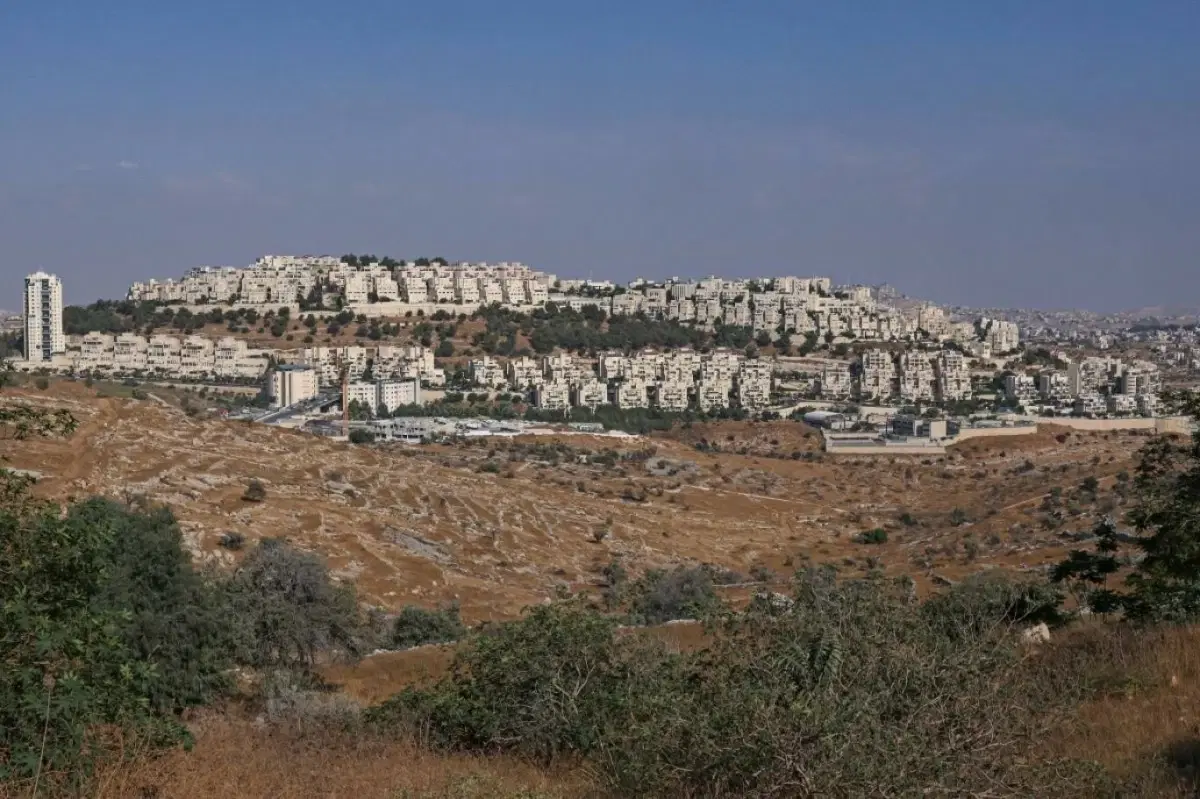
In parallel, warnings continue regarding the repercussions of settlement policies and trends aimed at undermining the Palestinian Authority, as analysts believe that the continuation of these policies may increase Israel's isolation and deepen economic and political pressures on it.
As the voting date approaches, Netanyahu is betting on his security experience and warning of external threats, while his opponents seek to hold him responsible for failures and internal divisions. Between the rhetoric of fear and promises of change, the elections appear to be a test for the future of the Israeli government, and for the opposition camp's ability to turn the state of discontent into a political majority, in light of continued security tension and the complexity of the regional scene.
Know more about this story?Send us a tip
Ask about this report — answers stay grounded in its text.