How has settlement activity accelerated in the West Bank?
Amman5 min read
Share
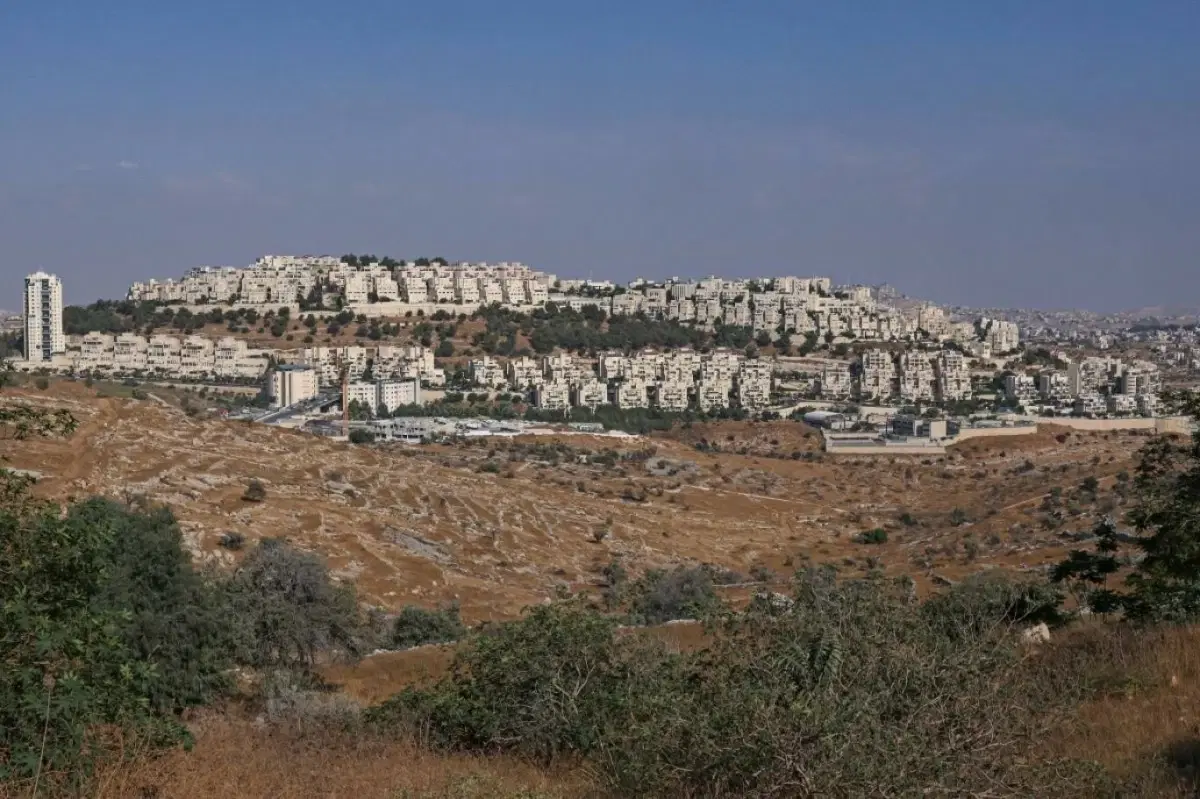
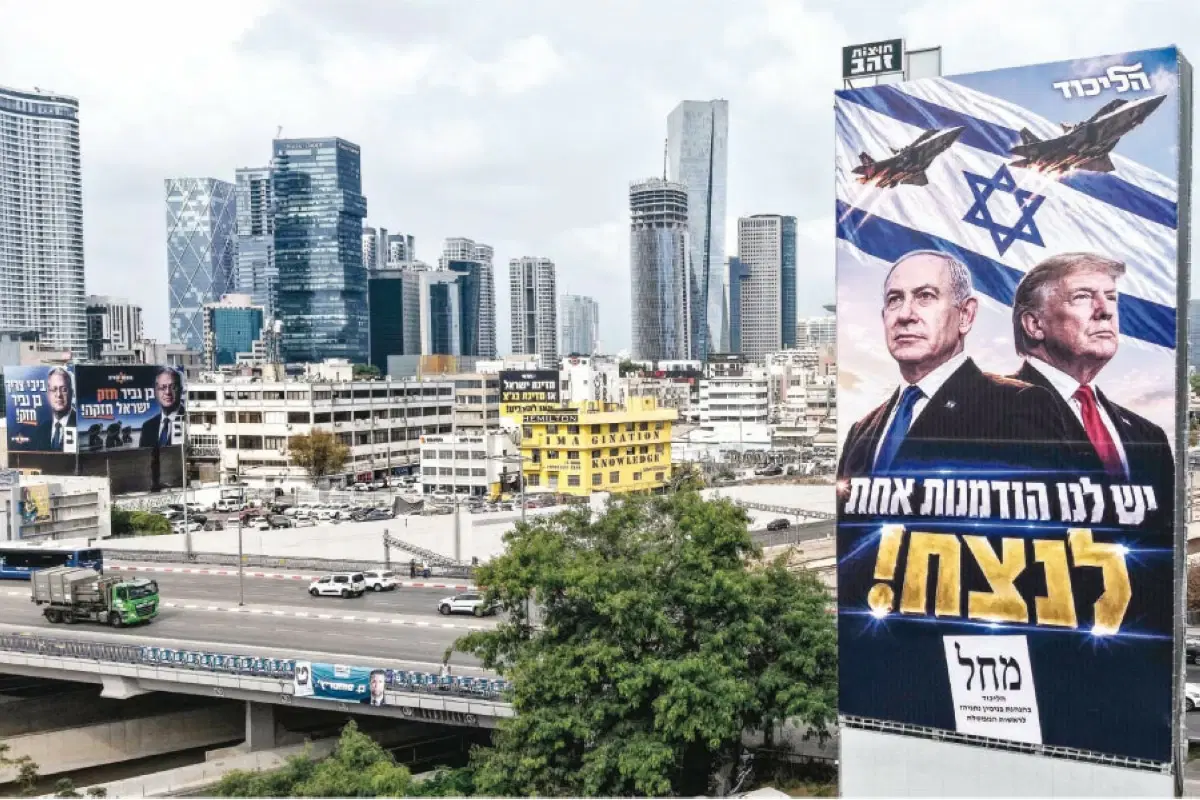
Israeli settlement activity in the occupied West Bank has witnessed continuous expansion since 1967, despite international pressure. However, its pace has accelerated significantly since Benjamin Netanyahu's return to power in 2022, as he seeks to win a new term in the legislative elections scheduled for Tuesday.
An analysis conducted by Agence France-Presse (AFP), based on data from the Israeli anti-settlement organization "Peace Now," the International Crisis Group, and the United Nations Office for the Coordination of Humanitarian Affairs (OCHA), shows that nearly half of the Israeli settlement outposts on Palestinian land—all of which are considered illegal under international law—have been established since 2023.
Including East Jerusalem, which Israel occupied and annexed, the organization counts more than 550 settlement sites, with about 150 settlements established with the approval of Israeli authorities, while the rest were unauthorized settlement outposts at the time of their establishment.
The number of Israeli residents there has increased by about 50% since 2012, while the number of Palestinians has risen by 30%, according to the International Crisis Group.
More than 3 million Palestinians live in the West Bank alongside 500,000 Israelis, amidst a climate of escalating violence that has intensified as the election date approaches.
The Israeli government ordered an "entry and exit ban" for all Palestinian territories on election day, following the killing of two Israeli soldiers in an attack carried out by two Palestinian gunmen on Friday.
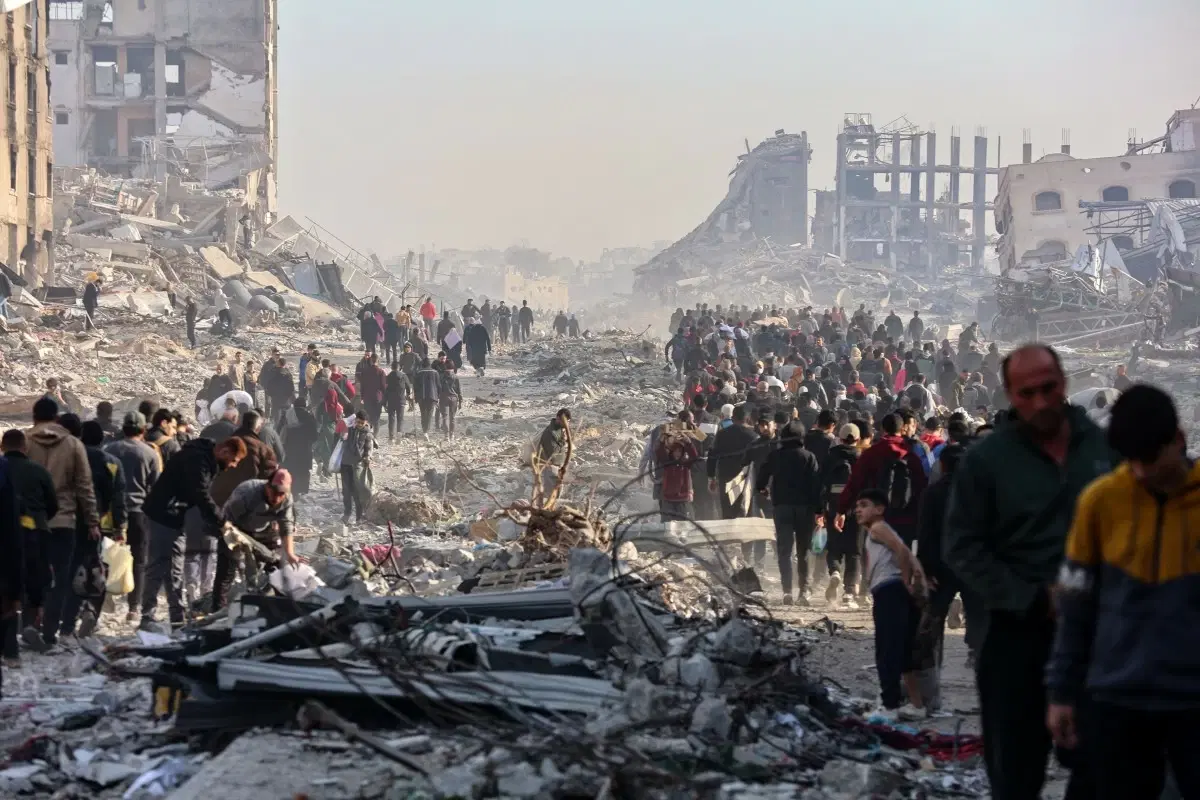
Since the unprecedented attacks launched by the Palestinian Hamas movement on October 7, 2023, in southern Israel, which ignited the war in the Gaza Strip, the expansion of settlements in the West Bank has manifested through a surge in the establishment of "outposts," particularly farms.
The number of outposts, which often consist of trailers or temporary structures built without authorization from Israeli authorities, is multiplying, driven by settlers who are confident that their presence will eventually be legalized.
According to the non-governmental organization "Peace Now," the number of farms and other outposts established in the West Bank since the beginning of this year has surpassed a record set last year (about 90 outposts), which is nearly three times the number recorded in 2023.
The phenomenon of outposts began in 1996, coinciding with the arrival of Netanyahu, leader of the Likud party—the most prominent Israeli right-wing party—to power for the first time.
As their numbers increased, the pace of establishing new settlements according to the traditional model slowed down.
The establishment of settlement farms began in 2012, when Netanyahu was at the helm of power for the second time, thus becoming the main driver of Israeli expansion in the region (more than two-thirds of the total expansion since 2023).
These farms allow Israelis to extend their control over vast areas of land with a small number of settlers, and they rely heavily on livestock farming activities. They often dominate large areas of land, frequently located in the eastern West Bank.
The number of building permits issued by Israeli authorities has seen a significant increase since Netanyahu's return to power, especially since October 7, 2023, exceeding 23,000 permits in 2025, which is more than three times the number recorded in 2012, according to the International Crisis Group.
In a move reflecting the rapid expansion of settlements, the current election year witnessed the official reopening, pushed by the government, of four settlements located in the northern West Bank, which had been evacuated in 2005 as part of the unilateral "disengagement" plan launched by then-Israeli Prime Minister Ariel Sharon, which also included the Gaza Strip.
The Israeli Attorney General ruled late last month to postpone the deadline for submitting construction bids for the controversial "E1" settlement project, which would separate the northern West Bank from its south, until after the elections.
The bidding period for the construction of more than 1,200 settlement housing units as part of the project, in the area located between Jerusalem and the Israeli settlement of Ma'ale Adumim, was supposed to end before election day.
The United Nations and several countries, including France and Britain, condemned the project, the implementation of which would permanently isolate East Jerusalem and the majority of its Palestinian residents from the West Bank, and further contribute to undermining the chances of establishing a Palestinian state.
The Kfar Etzion settlement, located south of Jerusalem, was the first Israeli settlement in the West Bank authorized by the Labor Party government in September 1967.
The first major wave of settlement occurred in the early 1980s, under the right-wing government led by Menachem Begin, who authorized the establishment of many settlements.
Settlers intensified the establishment of illegal outposts between 1998 and 2002, and then between 2019 and 2021, albeit at a much slower pace than what has been witnessed in the last four years.
The number of outposts constructed in the period between 2023 and 2026 is one and a half times the number created during the previous three waves combined.