The occupation grants unauthorized outposts infrastructure facilities
Imposing new facts on the ground and strengthening Israeli control
Follow Al Rai

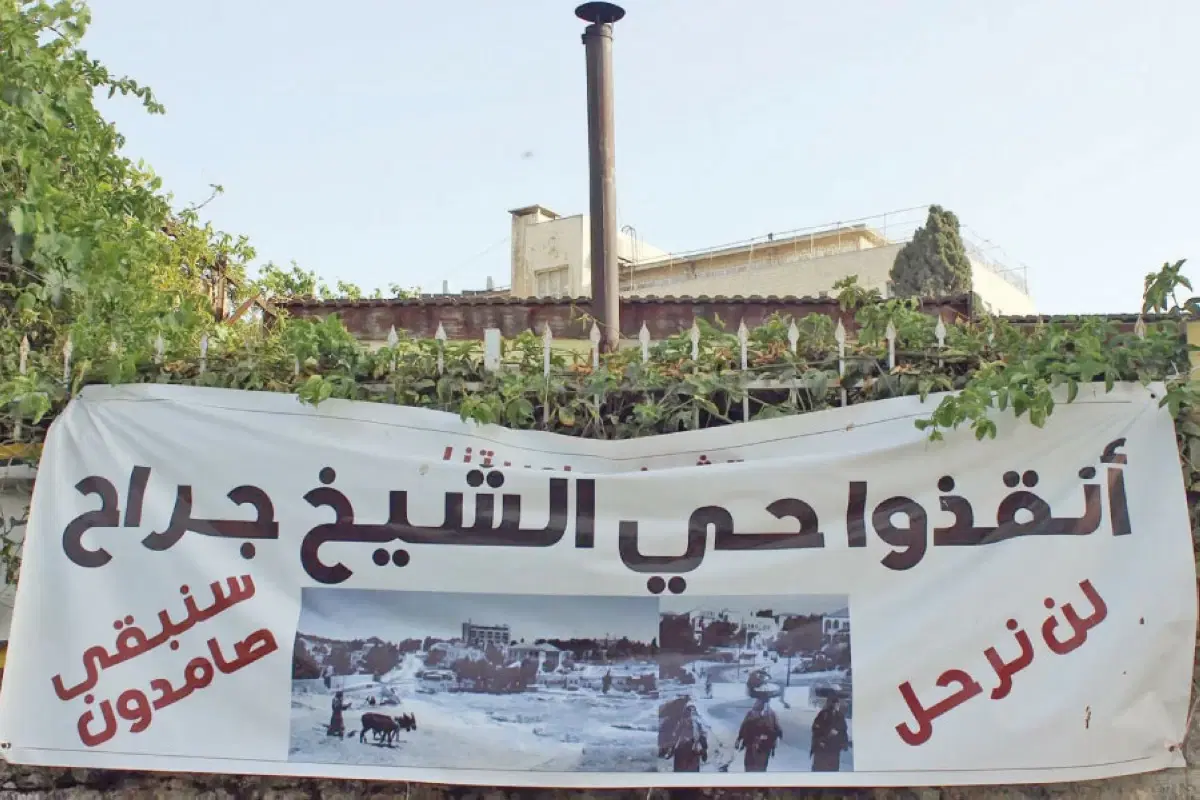
Settlement units target the heart of "Sheikh Jarrah" in Jerusalem
The occupation grants unauthorized outposts infrastructure facilities
Imposing new facts on the ground and strengthening Israeli control
Israeli human rights organizations have revealed a new settlement plan led by the extremist "Amana" settlement movement in the Sheikh Jarrah neighborhood of occupied East Jerusalem. The plan aims to build 122 settlement units on the ruins of the historic Shepherd Hotel, known as the house of the Mufti of Jerusalem, coinciding with the approval of an Israeli legal amendment that allows unauthorized settlement outposts to be connected to water and electricity networks, even before their zoning and construction plans are approved.
These two developments reflect an escalation in Israeli policies aimed at expanding settlements in occupied East Jerusalem and the West Bank by establishing new settlement projects and providing infrastructure for existing outposts, thereby contributing to imposing new facts on the ground and strengthening Israeli control over the targeted areas.
The Israeli organization "Ir Amim," which specializes in Jerusalem affairs, revealed a settlement plan numbered 1602689, pushed by the "Amana" movement, targeting the site of the historic Shepherd Hotel in the northeastern part of the Sheikh Jarrah neighborhood.
According to information published by the Hebrew newspaper "MyNet" and "Ir Amim," the plan covers an area of approximately 5.8 dunams and includes the construction of settlement buildings up to 12 stories high, with a total height of about 47 meters, comprising 122 settlement units, in addition to commercial spaces, educational and religious facilities, and underground parking.
The local Israeli Planning and Building Committee in occupied Jerusalem is scheduled to hold its first session to discuss the plan on November 11, according to "Ir Amim."
This is the first project of its kind pushed by the "Amana" settlement movement in occupied Jerusalem, following decades of its intensive activity in expanding settlements in the West Bank. The movement is headed by Ze'ev Hever, known as "Zambish," whom the organization notes was a former member of an extremist Jewish underground organization that carried out attacks against Palestinians in the 1980s.
Documents published by "Ir Amim" indicate that the ownership of the Shepherd Hotel site originally belonged to the family of the Mufti of Jerusalem, Al-Husseini, before it was seized by Israeli authorities under the Absentee Property Law and its ownership was later transferred to the extremist "Ateret Cohanim" settlement organization.
According to the new plan, the existing residential buildings on the site will be demolished to make way for the settlement project, while the historic building of the hotel, which the Mufti built to host Jerusalem's guests before the 1948 Nakba, will be preserved.
In this context, "Ir Amim" quoted researcher Aviv Tatarsky as saying that the "Amana" plan joins a series of projects pushed by extremist Israeli government bodies, including the Ministry of Construction and Housing and the Jerusalem Development Authority, with the aim of building thousands of housing units for Israeli settlers instead of meeting the needs of the Palestinian residents in the Sheikh Jarrah neighborhood.
Tatarsky added that the multiplicity of these plans and the variety of government agencies and settlement organizations behind them reveal the scale of organized Israeli efforts aimed at transforming Sheikh Jarrah from a Palestinian neighborhood into an Israeli settlement.
In parallel with the settlement plan in Jerusalem, the organization "Bimkom – Planners for Planning Rights" revealed an amendment approved by the commander of the Central Command of the Israeli army on September 23 to the Planning and Building Law in the occupied West Bank, which allows buildings constructed without permits in settlement outposts to be connected to water and electricity networks, even before the necessary plans for their regulation are approved.
Under the amendment, an exception can be granted for buildings constructed before February 12, 2023, on public land or private land with the owners' consent, provided they are located in sites that the Israeli military authorities or the Civil Administration intend to legalize, and that the competent authorities see the possibility of approving their plans in the future.
The exception is granted for a period of three years, renewable, allowing these buildings to be supplied with basic infrastructure without approved plans and without a guarantee of future approval, which enables the provision of services to unauthorized settlement outposts and paves the way for strengthening their presence on Palestinian land.
Bimkom believes that the amendment enshrines discrimination between settlers and Palestinians in Area C, which constitutes about 60 percent of the West Bank and is under full Israeli control in matters of planning and construction.
While settlers receive facilities to connect water and electricity to buildings constructed without permits, Palestinians face strict restrictions on construction and the provision of basic services.
The organization's data indicates that since 2011, Palestinians have submitted 115 plans for regulating construction in existing villages, only seven of which have been approved. Furthermore, there is no effective master plan in only 21 out of 240 Palestinian communities whose construction is located entirely in Area C.
Assaf Biderman from "Bimkom" said that Israel continues to deepen discrimination between settlers and Palestinians in the West Bank by facilitating settlers' access to water, electricity, and public services for buildings constructed without permits, even before their construction plans are approved, in contrast to denying Palestinians building permits and basic infrastructure.
The settlement plan in Sheikh Jarrah and the legal amendment in the West Bank come within a broader Israeli policy to expand settlements and legalize existing outposts, especially since February 2023. According to "Bimkom" data, the current Israeli government has announced the establishment of 104 new settlements in the West Bank, including 48 settlements announced through the legalization of existing outposts.
The organization's documents indicate that the provision of infrastructure to settlement outposts actually began before the legal amendment was approved; the minutes of the "Mateh Binyamin" regional settlement council meeting held on March 22 showed that the "Ma'oz Tzur" outpost was connected to infrastructure networks before the land it was built on was declared public land.
In the same context, the organizations "Kerem Navot" and "Peace Now" documented that pastoral settlement outposts had seized at least 786,000 dunams of West Bank land by the end of 2024, equivalent to about 14 percent of its area, as an indicator of the expansion of settlement control over Palestinian land.
Know more about this story?Send us a tip
Ask about this report — answers stay grounded in its text.