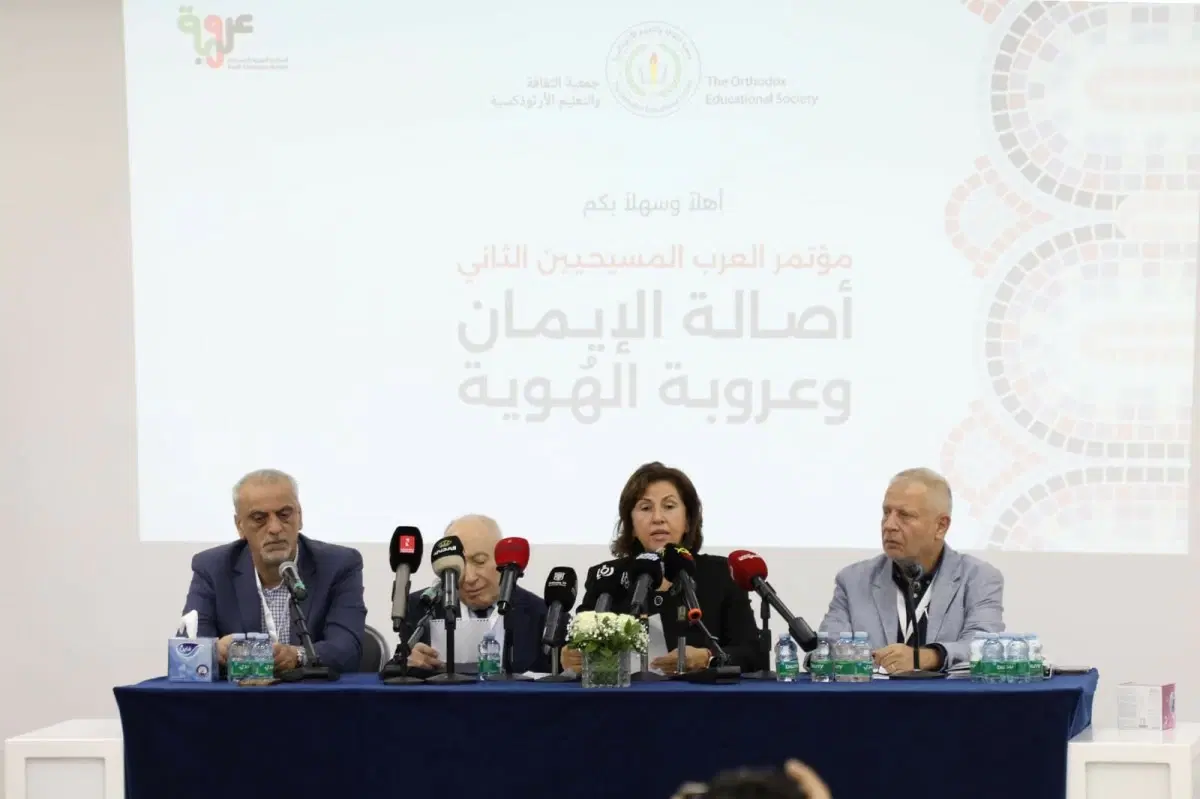
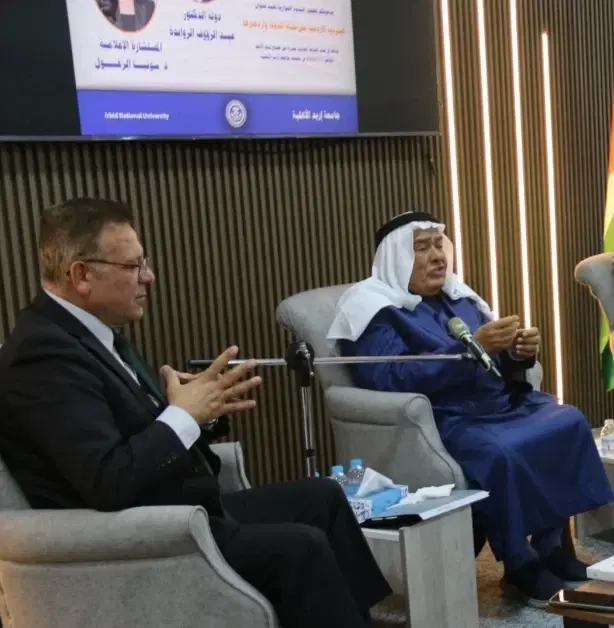
The Second Arab Christians Conference focuses on studying what is known as Christian Zionism and discussing its historical, intellectual, and theological roots and developments through multiple research approaches that seek to highlight the authentic Christian understanding of the Holy Bible and refute the misguided religious interpretations used to justify political and ideological projects.
The President of the Administrative Board of the Orthodox Society for Culture and Education, Engineer Nermin Sandaha, emphasized that organizing the Second Arab Christians Conference stems from the Society's belief in the importance of building a sustainable intellectual and cultural platform, rooted in the authenticity of faith and the Arabism of identity, and affirming that the Arab Christian presence is an authentic and active presence in the history, present, and issues of our region. She added, "We aspire to strengthen Jordan's position as an inclusive Arab country for sustainable intellectual and cultural dialogue, where researchers, intellectuals, and clergy from the region and the world meet in a dialogue based on knowledge and responsibility, contributing to consolidating the values of openness, pluralism, and coexistence through the role of the Orthodox Society for Culture and Education in providing a forum for dialogue and enlightened cultural and intellectual interaction."
Sandaha pointed out that the conference is being held in light of the historical role played by Jordan in protecting and caring for Islamic and Christian holy sites in Jerusalem, confirming that the Hashemite Custodianship of the holy sites in Jerusalem represents a unique model in safeguarding the Arab identity of the Holy City and preserving its religious and human heritage, and embodies a historical commitment to protecting the Christian and Muslim presence there and confronting attempts to erase its identity or change its stable and well-known historical and legal reality, known as the "Status Quo."
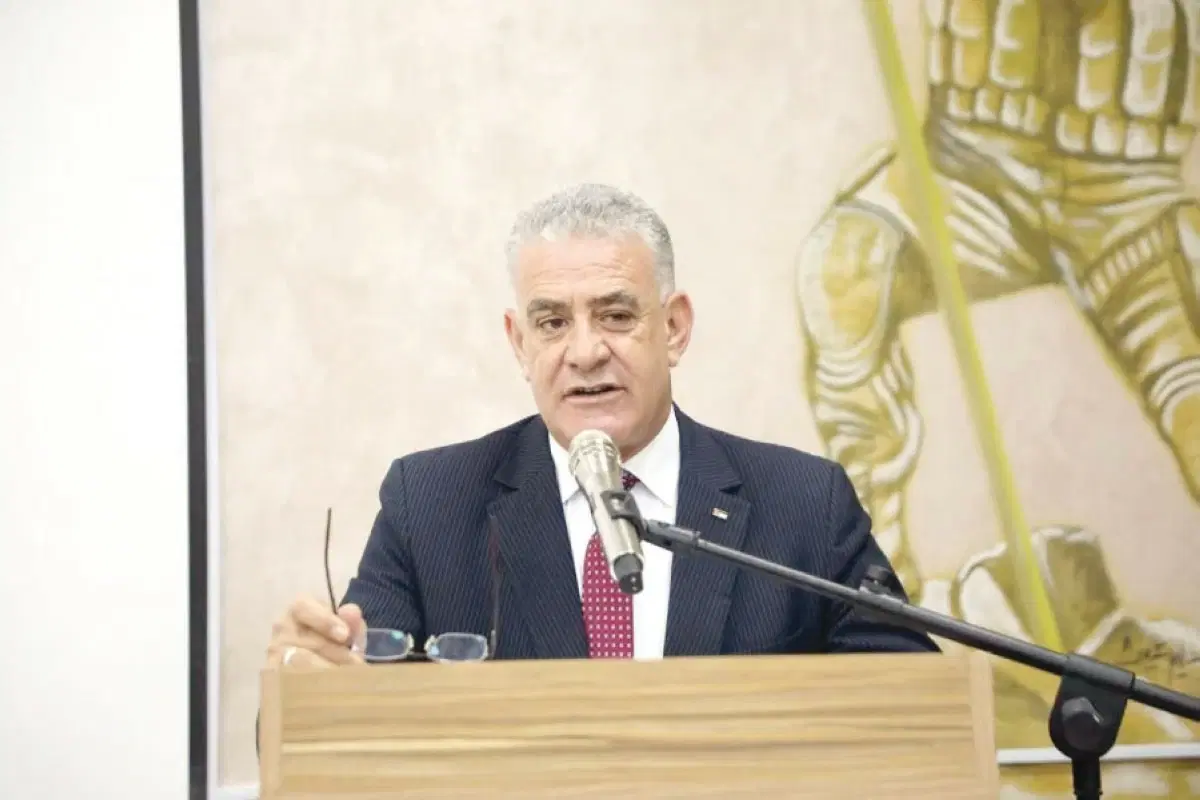
For his part, the conference president, Professor Dr. Humam Ghassib, explained that choosing the topic of Christian Zionism comes within the framework of the need to study the phenomenon, understand its origin and development, shed light on its risks, and emphasize the necessity of working to dismantle it, as well as the reflections it has left on thought and politics, in addition to the transformations witnessed by these currents in the United States, Europe, and the Middle East.
The conference program includes a series of four specialized intellectual sessions that address the Christian interpretation of the Bible in both its Old and New Testaments, in addition to the patristic, ecclesial, and historical understanding, alongside examining the origins and development of Christian Zionism and the intellectual and religious factors that contributed to its formation. The conference will also discuss appropriate ways and mechanisms to refute it in its centers of spread in the American and European West.
The conference dedicates part of its proceedings to discussing the Islamic-Christian partnership in facing intellectual challenges and in promoting common coexistence.
Through these activities, and in partnership with a number of national institutions, civil society organizations, the Arab Christian Initiative (Urouba), the Jordanian Writers Association, the Jerusalemite Jordanian bodies represented by (The Jerusalem House Forum, Women for Jerusalem, Jerusalem Day Association, Society for the Protection of the Holy Jerusalem, Jerusalem Studies Center, and the Orthodox Society), and the Jordanian Orthodox associations represented by (The Arab Orthodox Renaissance Charitable Society, the Orthodox Club, the Orthodox Society, and the Amman Orthodox Scouts and Guides group), the Levantine Christians Association in Jordan, the Fuheis Cultural Forum, the Arab Cultural Society, the Arab Forum, the YMCA, and the YWCA, the Society seeks to consolidate the conference as a knowledge space that does not end with the conclusion of its sessions, but extends its effects by documenting scientific papers, discussions, and interviews and making them available through the Society's digital platforms, which contributes to enhancing intellectual dialogue and consolidating awareness of issues related to identity and authentic Arab belonging.
Through organizing the second edition of the conference, the Orthodox Society for Culture and Education confirms the continuation of its cultural and educational role and its endeavor to provide a space for research and responsible dialogue on issues related to Arab and Christian identity and to promote a culture of unity, openness, and dialogue.