"Christians of the East: Participants in Building the Future" Conference Kicks Off in Amman
Under the patronage of the Prime Minister's delegate and organized by the Catholic Center for Studies and Media in cooperation with the Konrad Adenauer Foundation
Amman10 min read
Share
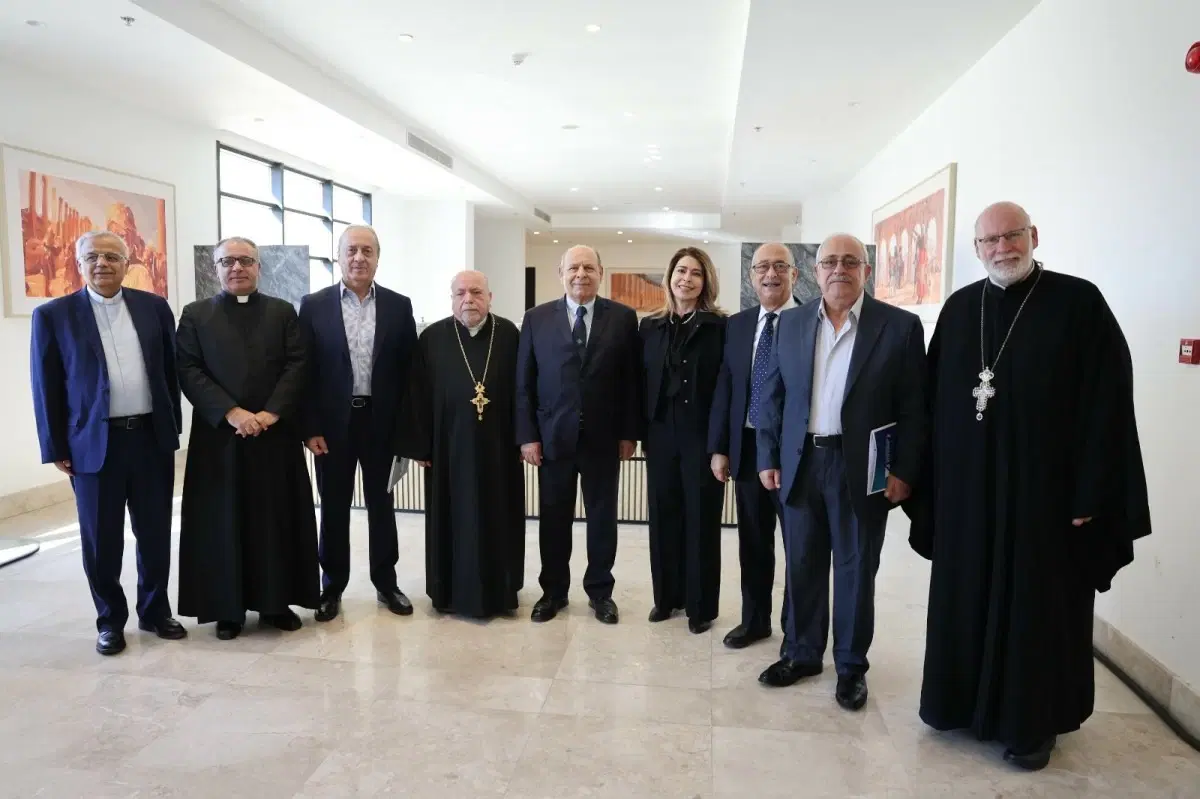
Under the patronage of Prime Minister Dr. Jafar Hassan, and in the presence of his delegate, Minister of Tourism and Antiquities Dr. Emad Hijazin, the works of the "Togetherness" conference, titled "Christians of the East: Participants in Building the Future," began today, Thursday, in the capital, Amman. The conference is organized by the Catholic Center for Studies and Media in cooperation with the German Konrad Adenauer Foundation, with the participation of official, ecclesiastical, and academic figures from Jordan and several Middle Eastern countries and Germany.
The two-day conference seeks to discuss the future of the Christian presence in the Middle East in light of the political, social, and economic transformations the region is witnessing, with a focus on the role of Christians as active citizens and partners in building their societies. It also aims to shift the discussion from the logic of survival to active participation, and from protection to partnership, while exploring ways to enhance the contribution of Christians to shaping the future of their countries, and the role of the international community in supporting and empowering this presence.
In his opening remarks, Father Rifat Bader, Director of the Catholic Center for Studies and Media, invited the attendees to stand for a moment of silence and prayer for the souls of the nine victims who perished in the terrorist attack on Saint George's Church in the town of Hamoud in Karak Governorate, recalling their names one by one. He emphasized that the attack was a major shock to Jordanians, while the subsequent expressions of solidarity reflected the strength of national unity, stressing that Jordan will remain resilient against terrorism and conspiracies, thanks to its Hashemite leadership, armed forces, security services, and the cohesion of its single national family.
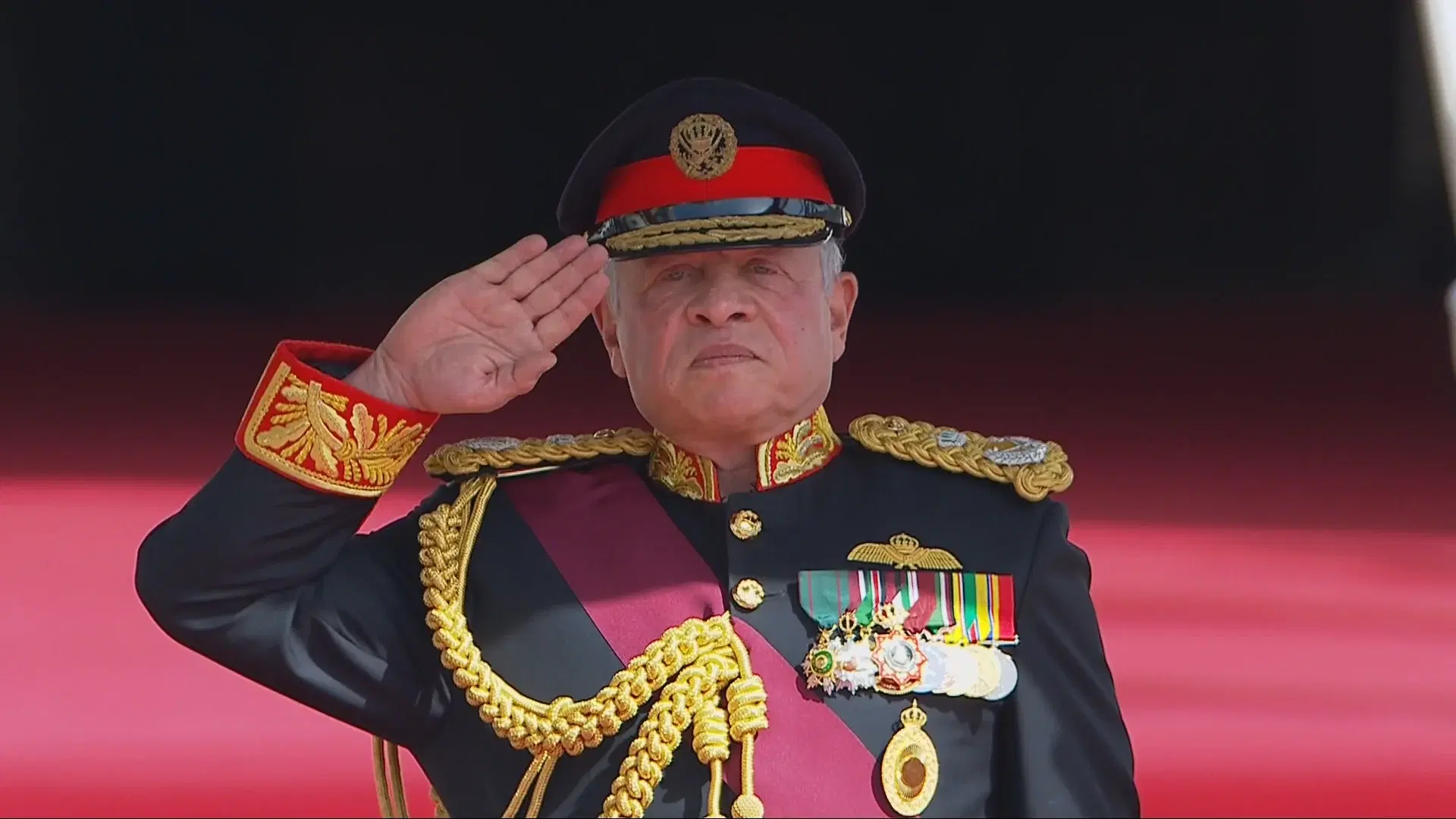
Father Bader emphasized that the concept of "Togetherness" carried by the conference stems from the belief that the future of the region is a shared responsibility among all its people, saying: "We cannot think of Christians alone, or Muslims as an isolated island. We think together; the future is for all of us, and its responsibility is upon us all." He also praised the Jordanian preparations to commemorate the 2000th anniversary of the Baptism of Jesus Christ in 2030, calling on participants to promote Jordan as a destination for Christian pilgrimage, and affirming the depth of the historical roots of Christians in the Kingdom. He recalled the efforts of His Majesty King Abdullah II in protecting the Christian presence in its original homeland and defending the true image of Islam, stressing the importance of partnership in building the future of Middle Eastern countries.
In turn, Minister of Tourism and Antiquities Dr. Emad Hijazin, the Prime Minister's delegate, affirmed that Arab Christians are an authentic component of Arab civilization, and partners in building its cultural and human identity, enriching its thought, shaping its present, and envisioning its future. He said that Jordan has embodied throughout its history a firm model of coexistence between Muslims and Christians, where the relationship between them has been based on brotherhood, national belonging, and a shared destiny, emphasizing that citizenship is the unifying framework under which identities integrate, and rights and duties are preserved.
Hijazin pointed out that Jordan, under the Hashemite leadership, has continued to consolidate this message, as His Majesty King Abdullah II has embodied a consistent approach to protecting Islamic and Christian holy sites, promoting harmony among followers of religions, and defending the values of peace and understanding. Crown Prince Al Hussein bin Abdullah II also continues to support youth participation and consolidate the values of citizenship, responsibility, and contribution to building a future based on the rule of law, equal opportunity, and partnership.
He explained that tourism is not just moving between places or visiting landmarks, but a bridge for communication between peoples and a tool for acquaintance and deepening mutual respect, pointing to the high status that Jordan occupies in Christian history, foremost among its testimonies being the Baptism site of Jesus Christ (Al-Maghtas), which is inscribed on the UNESCO World Heritage list, alongside Mount Nebo, Mukawir, and other churches and historical sites. He noted that the preparations to celebrate in 2030 the two-thousandth anniversary of the baptism of Jesus Christ at the Baptism site carry significance that goes beyond celebrating a historical occasion, as it represents an opportunity to present Jordan to the world through its authentic Christian heritage, its experience in coexistence, and its role in promoting dialogue between religions and cultures.
For his part, the German Ambassador to Jordan, Dr. Bertram von Moltke, expressed his strong condemnation of the terrorist attack that targeted participants in a funeral in the town of Hamoud in Karak Governorate, offering his condolences to the victims' families and relatives. He praised the manifestations of unity and solidarity shown by Jordanians, including His Majesty the King and the Hashemite family, affirming that they reflect the spirit of social cohesion that has made Jordan a model of tolerance in the region. He noted that he visited the town of Hamoud during the current week to offer condolences, where he witnessed firsthand the resilience of the local community and the solidarity of Jordanians, stressing the need not to allow hatred and violence to incite division and threaten coexistence, and affirming Germany's solidarity with the Jordanian government and people in these difficult circumstances.
The German Ambassador emphasized the importance of initiatives that provide safe spaces for dialogue about the present and future of Middle Eastern societies and the role of Christian groups within them, noting that promoting interfaith dialogue and religious tolerance constitutes an important aspect of German-Jordanian relations. He praised the efforts of His Majesty King Abdullah II in consolidating harmony among various religious groups, pointing out that the conference calls for reflecting on the role that Christians can play in shaping the future of the societies in which they live. He stressed that a better future for Christians in the Middle East is not achieved through revenge, but through conscious and firm participation in the development of their societies, and moving from merely responding to social changes to actively contributing to shaping them.
In turn, the German Federal Government Commissioner for Freedom of Religion or Belief, member of the German Federal Parliament (Bundestag), Thomas Rachel, praised the efforts of His Majesty King Abdullah II in the Hashemite Custodianship of the holy sites in Jerusalem, expressing his appreciation for these efforts, especially in a region where religious places can turn into symbols of shared heritage and political confrontation. He affirmed that Jordan constitutes a suitable place to discuss the future of the Christian presence in the Middle East, given its ancient Christian roots and the contributions of Christians to religious, political, cultural, and social life, noting that the Kingdom continues to provide a model that confirms the possibility of reconciling religious diversity and national belonging.
Rachel emphasized that Christians in the Middle East are not just groups whose existence should be preserved, but citizens and authentic partners in the history, present, and future of their countries, stressing that religious freedom is a universal human right that must be protected for all without discrimination. He addressed the challenges facing Christian groups in Syria, Iraq, Lebanon, and Egypt, affirming the importance of equal citizenship, the rule of law, and confronting violence and discrimination. He also stressed that interfaith dialogue is a practical tool for preventing conflicts and promoting cooperation, and that the future of the Middle East must be shaped by the people of the region themselves, in a way that allows Christians to participate actively in building their societies and living in their homelands in security, freedom, and dignity.
The opening session, moderated by Veronika Ertl, Resident Representative of the Konrad Adenauer Foundation in Jordan, included the screening of a short film prepared by the Catholic Center for Studies and Media. The Catholic Center also honored Engineer Rustom Mkhjian, the former Director General of the Baptism Site (Al-Maghtas), as a token of loyalty and appreciation for his tireless work over a quarter of a century of service in managing the site and promoting its religious and historical importance, as the Papal Nuncio, Archbishop Giovanni Dal Toso, presented him with the Center's shield, in the presence of the Center's Director, Father Rifat Bader. Furthermore, His Excellency Mr. Habib Afram, Advisor to the President of the Lebanese Republic, presented a commemorative gift from Lebanon to the Catholic Center for Studies and Media in Jordan, as an expression of the bonds of love and brotherhood between the two brotherly countries.
Conference Sessions
The first day of the conference included three dialogue sessions. The first is titled "Together Despite Different Denominations: Christian Unity as a Power for the Future," in which Father Dr. Bassem Al-Raai, professor at the Lebanese University and lecturer at Saint Joseph University in Beirut, Dr. Viola Raheb, Program Director at the Pro Oriente Foundation, and Dr. George Tarif, historian and former lecturer at the University of Jordan, speak, and it is moderated by Omar Abwi, Executive Director of Caritas Jordan.
The second session is titled "Together Across Borders: The Christian Diaspora as a Bridge Toward a Transnational Future Identity," in which Father Dr. Albert Hisham Naoum, Director of the Media Office of the Chaldean Patriarchate in Iraq, Professor Dr. Lara Hanna Wakim, National Coordinator in Lebanon for the "Faith for Earth" coalition of the United Nations Environment Programme, and Dr. Bernard Sabella, former Executive Director of the Department of Service to Palestinian Refugees at the Middle East Council of Churches, speak, and it is moderated by Dr. Badr Al-Madi, Assistant Professor at the German Jordanian University.
The third session is held under the title "Together for the Common Good: A New Vision for Christian-Muslim Partnership," with the participation of MP Gabriel Moshe Kourié, member of the Syrian People's Assembly and head of the Assyrian Democratic Organization; Dr. Wadiha Khoury, associate professor and researcher at Saint Joseph University and the Lebanese University; and Dr. Jamal Al-Shalabi, professor of political science at the Hashemite University. It is moderated by Dr. Amer Al-Hafi, academic advisor at the Royal Institute for Interfaith Studies.
The second day of the conference, Friday, October 30, is dedicated to holding two working sessions with the participation of ecclesiastical, academic, and intellectual figures from several Arab countries. Participating in the first session are Bishop Jamal Khader, Patriarchal Vicar for Latin in Jordan; Dr. Heba Makram Sharobim, member of the Egyptian Senate; and Mr. Habib Afram, advisor to the President of the Lebanese Republic for human rights and interfaith dialogue and head of the Syriac League, while the session is moderated by Professor Dr. Abeer Dababneh from the University of Jordan.
As for the second session, participants include Bishop Hanna Jallouf, Apostolic Vicar for Latin in Aleppo; Dr. Saad Salloum, professor of political science at Al-Mustansiriya University and director of the Masarat Foundation for Cultural and Media Development in Iraq; and Dr. Bernard Sabella, representing Palestine, while it is moderated by Professor Dr. Amani Ghazi Jarar, Acting Secretary-General of the Arab Thought Forum.