Ajloun: Calls to rehabilitate old stone houses and invest in them for tourism and culture
Amman4 min read
Share
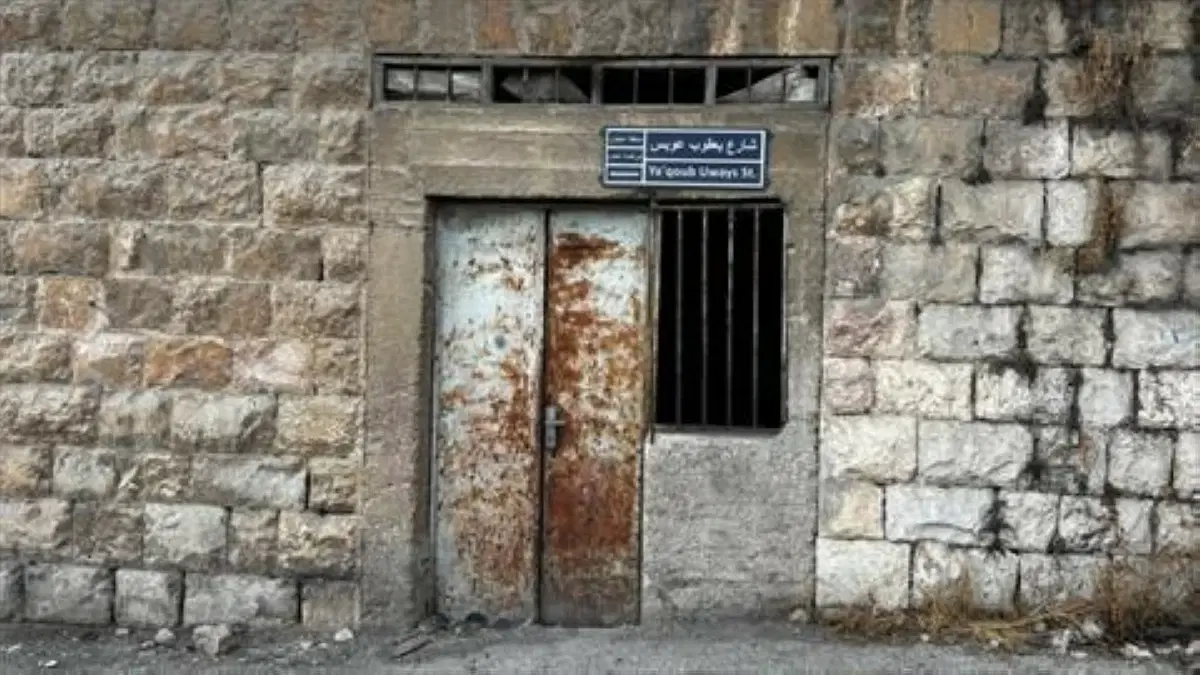
A number of those interested in cultural and tourism affairs in Ajloun Governorate have called for the rehabilitation of old stone houses, preserving their architectural and heritage character, and investing in them to establish tourism and cultural projects and activities that contribute to revitalizing tourism and enhancing local development.
They emphasized the importance of integrating these houses into tourism trails and repurposing them in a way that preserves their historical value, as well as documenting their architectural characteristics and the folk tales associated with them as part of the governorate's memory.
The head of the Governorate Council committee, Engineer Muawiya Anab, said that reviving old stone houses represents an opportunity to enhance local development and benefit from the governorate's urban heritage by transforming these houses into sites that attract visitors and provide opportunities for local community members to participate in tourism and cultural activities.
He added that caring for these houses requires cooperation between the concerned authorities, their owners, and local communities, in a way that contributes to their preservation and finding new uses that suit their heritage nature, stressing the importance of ensuring that revival projects reflect on the economic movement in the surrounding areas.
Ajloun Director of Culture Samer Farhat said that old stone houses could form spaces for holding art exhibitions, literary evenings, and heritage activities, allowing artists and craftsmen to display their work in sites that carry historical and architectural uniqueness and contributing to strengthening the presence of culture in local communities.
Ajloun Director of Tourism Firas Al-Khatatbeh stressed that investing in old stone houses for tourism provides opportunities to develop new tourism products based on the governorate's heritage character by employing suitable buildings in rural hospitality projects and services related to visitors.
He indicated that these projects could contribute to diversifying tourism experiences and extending the visitor's length of stay, in addition to supporting small projects and creating job opportunities for members of local communities, which enhances the residents' benefit from tourism activity.
The Vice President of the Nesmat Shoug Tourism Association, Engineer Ibtihal Al-Somadi, said that including old stone houses in tourism trails provides visitors with an opportunity to learn about the nature of rural life and traditional architecture in Ajloun by organizing tours that link heritage sites with experiences offered by members of the local community.
She explained that these trails could allow residents to participate in offering products, crafts, and popular foods, making the visit to stone houses an integrated cultural and social experience that goes beyond just viewing old buildings.
Heritage researcher Dr. Mahmoud Shraideh said that old stone houses represent witnesses to stages of Ajloun's social and urban history and reflect traditional construction methods that relied on stone and local materials, in addition to designing interior spaces in a way that suits the nature of family and social life in the past.
He added that the value of these houses is not limited to their architectural form but extends to the customs, traditions, and lifestyles associated with them, emphasizing the importance of preserving their heritage identity when repurposing them so that they remain a witness to the history of the place and its uniqueness.
The founder of the "Hikayat Makan" (A Story of a Place) initiative, Yousef Al-Somadi, emphasized the importance of documenting old stone houses through photography and producing visual materials that highlight their aesthetics and details, which contributes to raising awareness about them and highlighting their value to new generations.
He pointed to the importance of recording the narratives of the owners of these houses and the elderly who lived in them, and documenting the memories and stories associated with them, to preserve popular memory and make it available to future generations.