Mafraq: Tourism trips with limited developmental impact.. and calls for partnership with the community
Amman4 min read
Share
Despite the fact that Mafraq Governorate is rich in archaeological, heritage, and natural sites qualified to be a destination for domestic tourism, the "Jannah.jo" (Our Jordan is a Paradise) program has not gained the expected momentum, according to local actors and activists in the tourism sector, amidst demands to reconsider the program's implementation mechanisms and enhance coordination and partnership with civil society institutions and tourism associations.
The most prominent observations focus on the limited benefit of local communities from the tourism movement organized by the program, and the failure of visits to reflect on invigorating rural and heritage projects or providing economic opportunities for the residents of the targeted areas, in addition to weak communication and coordination with institutions and associations active in the tourism field. The head of the Rehab Municipal Committee, Lina Al-Zoubi, said that the Rehab area has not witnessed the tangible developmental impact of the "Jannah.jo" program, despite the presence of the archaeological site and heritage houses within the program's tourist paths, confirming that listing sites on the map of tourist trips is not enough to achieve development unless it is accompanied by real involvement of the local community and the provision of opportunities to benefit economically from tourism activity.
For his part, the head of the New Um Al-Jimal Municipal Committee, Mohammed Khalil Abu Alaim, confirmed that the benefit of civil society institutions and associations active in the tourism and heritage field from the program is limited, and they have not received the level of cooperation and coordination that could enhance their role in stimulating tourism activity and turning it into developmental opportunities for the local community. He added that tourist and archaeological sites in Um Al-Jimal and other areas of the governorate need practical programs that go beyond organizing trips and visits, by involving local institutions in planning and implementation, and benefiting from their expertise and initiatives, in a way that ensures the distribution of economic returns from tourism activity to the residents of the targeted areas.
In turn, tourism and heritage activist Ahmed Alaimat said that he has not felt a clear developmental impact of the "Jannah.jo" program in Mafraq Governorate, with the exception of some marketing events for archaeological and rural products held at long intervals, considering that these activities, despite their importance, do not constitute the hoped-for developmental impact and do not achieve the required economic sustainability.
He stressed the need to move from the concept of temporary tourism promotion to building an integrated developmental system that invests in the tourist and heritage assets in the governorate, and provides real opportunities for associations, productive families, and rural projects, in addition to strengthening the presence of local institutions in drawing up tourism programs and plans.
In the same context, the importance of the role played by the Mafraq Governorate Tourism Directorate in enhancing coordination and communication with civil society institutions, associations, and bodies concerned with tourism and heritage stands out.
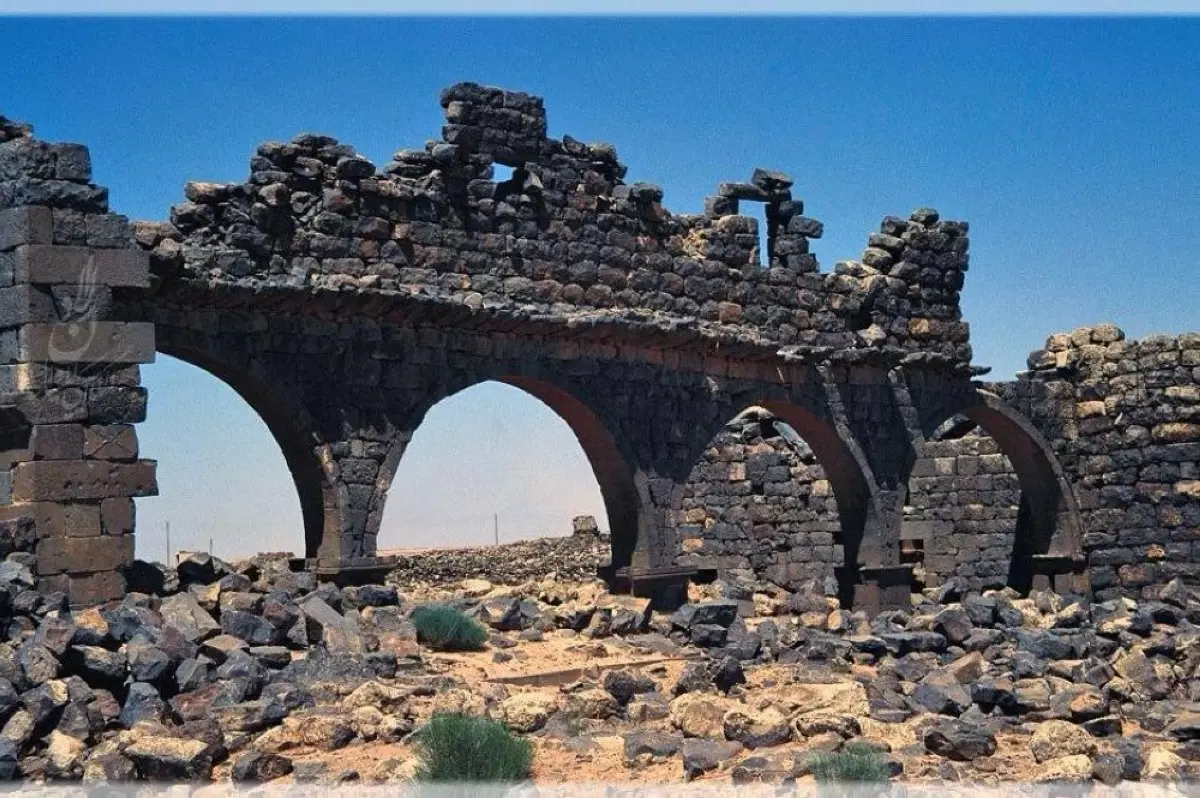
Heritage and tourism photographer in Mafraq Governorate, Akram Sharaf Al-Khalidi, confirmed that Mafraq Governorate enjoys exceptional tourist and archaeological assets, foremost among them the city of Um Al-Jimal, which is listed on the World Heritage List, the Rehab archaeological site with its historical churches and heritage houses, in addition to natural and rural sites in various districts of the governorate, which are assets that can form a basis for an integrated tourism product that links cultural, heritage, and rural tourism.
He pointed to the necessity of moving the "Jannah.jo" program from organizing trips and promoting sites to achieving sustainable tourism development based on a real partnership with municipalities, associations, and civil society institutions, so that the local community is not just a stop on the tourist path, but a primary partner in managing it and benefiting from its returns.