Aqaba and Rum: Support for business sustainability, job opportunities, and domestic tourism revitalization
Amman4 min read
Share
The "Jannah.jo" (Our Jordan is a Paradise) program attracted more than 131,000 participants to the destinations of Aqaba and Wadi Rum during the 2026 tourism season, marking a significant presence in revitalizing domestic tourism, stimulating economic activity in tourism and commercial establishments, and supporting the continuity of operations for travel agencies, hotels, camps, restaurants, transport companies, and tour guides.
The official spokesperson for the Ministry of Tourism and Antiquities and Director of the "Jannah.jo" program, Dr. Ahmed Al-Rifai, said that the program attracted 86,065 participants to Aqaba during the period from March 31 to October 24, 2026, distributed between 75,584 participants in day trips and 10,481 participants in overnight stay programs, reflecting the diversity of trip patterns and the demand for visiting the city and its tourism facilities.
He added that 124 travel agencies benefited from executing the program's trips to Aqaba, alongside the participation of 15 tourist accommodation facilities, while the number of participating tour guides and buses reached 2,574, which reflected on various sectors linked to tourism movement and contributed to providing job opportunities and stimulating economic activity in the city.
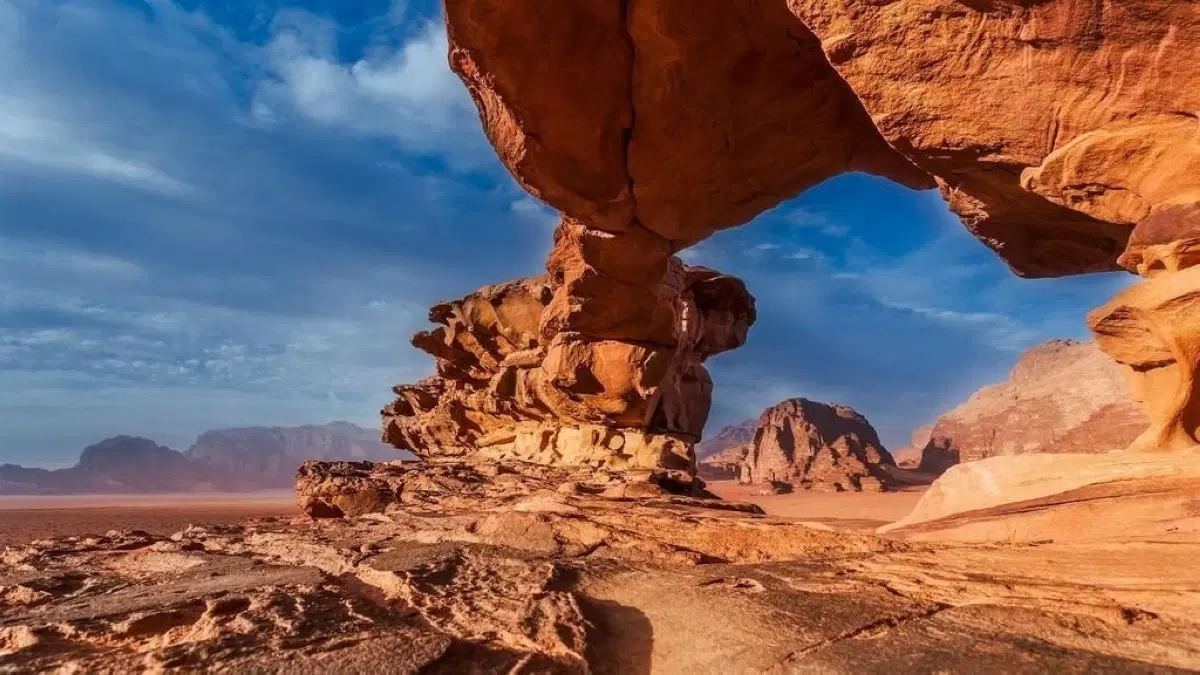
In Wadi Rum, the program attracted 44,984 participants for overnight stay programs, with the participation of 114 travel agencies and 45 accommodation facilities, while the number of participating tour guides and buses reached 1,186, which strengthens the region's position as one of the most prominent natural tourism destinations in the Kingdom and allows visitors to experience staying overnight and learning about its nature and cultural heritage.
These figures gain special importance in light of the global status of Wadi Rum, which is listed on the UNESCO World Heritage list, and the natural and tourism assets it possesses that make it an attractive destination for visitors. He emphasized the program's role in supporting camps, tourism establishments, and local projects that rely on tourism movement and the sustainability of their operations, in addition to the partnership with the private sector and tourism associations.
For her part, Sales Manager at Tareeq Al-Salam Travel and Tourism, Saja Abu Taha, said that the "Jannah.jo" program contributed directly to supporting the continuity of travel agencies' operations and preserving the workforce, especially during periods that witnessed a decline in inbound tourism due to regional circumstances.
She explained that the agency runs about 4 to 5 trips per week within the program, with an average of 35 to 48 passengers per bus, noting that these trips provided continuous business activity for the agencies and contributed to covering part of the operational costs and maintaining staff.
She added that the program provided important support to travel agencies during a difficult phase, and also allowed thousands of citizens the opportunity to visit tourism and archaeological sites in various regions of the Kingdom at subsidized prices, which boosted domestic tourism and expanded the base of beneficiaries of tourism experiences.
Investor in the tourism sector in Aqaba and Wadi Rum, Osama Abu Taleb, said that the "Jannah.jo" program constitutes an important economic tributary for the tourism and commercial sectors in Aqaba, due to the direct impact it leaves in stimulating movement within hotels, camps, restaurants, transport companies, tour guides, and local projects.
He added that the program's impact is not limited to increasing visitor numbers, but extends to stimulating a wide chain of economic activities linked to tourism, supporting small and medium enterprises, and enhancing their ability to continue working and maintain job opportunities, especially in periods when inbound tourism declines.
Abu Taleb pointed out the importance of the program in reducing the seasonality of tourism activity and enhancing movement throughout the year, especially during the winter when Aqaba and Wadi Rum enjoy moderate weather that encourages visitation, confirming that the continuous flow of visitors contributes to providing income for tourism and commercial establishments and supports local communities.
He emphasized the necessity of continuing to develop the program and directing support in a way that suits the needs of each tourism destination, and ensuring that its impact reaches various establishments and economic activities, noting that domestic tourism represents an important pillar for enhancing the resilience of the tourism sector, but it does not constitute a full substitute for inbound tourism, which remains essential for the sector's sustainability and growth.
The program contributes to highlighting local communities, their products, and their projects, and enhancing the participation of various groups in tourism activity, which reflects on revitalizing markets and services linked to visitors, and provides economic opportunities for establishments and individuals working in this sector.