"Arches" in Ajloun.. Architectural Witnesses Preserving the Memory of the Old House
Amman4 min read
Share
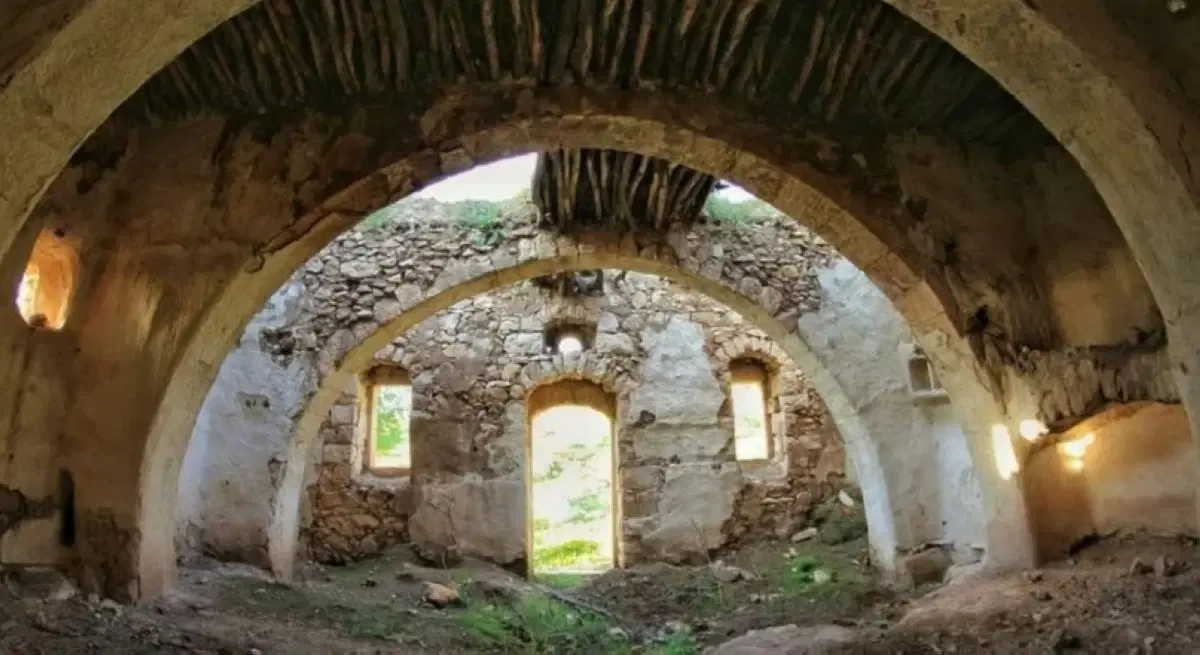
The old houses in the Ajloun Governorate have preserved models of stone "arches" which are buildings whose roofs are supported by closely spaced arches that formed a pattern of traditional architecture. Their division and use of facilities were linked to the needs of the family and the details of daily life in previous stages.
Researchers and heritage enthusiasts confirmed to the Jordanian News Agency (Petra) that what remains of these buildings represents a witness to the old construction methods and the social life associated with them, pointing to the importance of preserving them and documenting their architectural elements, local names, and the stories and community memory they carry.
Dr. Walid Al-Samadi, a heritage researcher, said that the "arch" represents one of the patterns of the old stone house known in the region, which was built on solid stone walls and closely spaced arches that support the roof, explaining that this style reflects the expertise of the builders in using and shaping the stone to suit the nature of the dwelling.
He added that the division of the house was linked to the needs of the family, as its spaces were allocated for living, receiving guests, storing provisions, and other daily uses, explaining that the elements of construction and their local names reflect the nature of the organization of the dwelling and its functions at that time.
Al-Samadi pointed out that models of these arches are still standing in several areas of the governorate, stressing the importance of preserving them and documenting their architectural details, the knowledge associated with their construction method and use.
Dr. Khaled Al-Jubeili, an academic historian, said that the old houses are a witness to a part of the social history of local communities, as their division and use of space reveal the nature of family life, social and economic relationships that were prevalent.
He added that the diwan, the spaces allocated for provisions, and the needs of the family, among other facilities of the house, performed functions associated with the lifestyle of that period, explaining that these buildings preserve details about the lives of the inhabitants, along with what has been passed down orally about them.
Al-Jubeili explained that the value of these houses is not only related to their age and architectural form, but also to the occasions, meetings, and social events they have witnessed, stressing the importance of documenting the buildings and the stories associated with them as part of the local community's history.
Citizen Marwan Al-Qudah said that the house of Muhammad Pasha Al-Muflaih in the town of Ain Jna is one of the models of old arches that still stand, explaining that the house was built in 1916 and its main part consists of two large opposite arches connected by a "liwan".
He added that one of the arches was used as a diwan for receiving guests, explaining that the house still stands today, preserving some of its architectural features that are associated with the history and local memory of the town.
In Deir Al-Samadieh, Sami Al-Rumli, a member of the Nasma Shouq Tourism Association, said that the area still retains a number of old stone houses that carry elements of traditional architecture, explaining that their survival provides a picture of the construction patterns known in the region and details of the life associated with them.
He added that introducing these houses and including them in tourist and cultural routes contributes to highlighting the architectural heritage of the region, explaining that informing the visitor about the history of the building, its uses, and its architectural elements adds a cultural and cognitive dimension to the experience of visiting the place.
Yusuf Al-Samadi, founder of the "Hakayet Makan" initiative, said that documenting old houses is not limited to photographing buildings and determining their locations, but also includes recording the names of their architectural elements, their functions, and the stories associated with them, explaining that the survival of the building does not necessarily mean the survival of the knowledge of the names of its parts and their uses.
He added that documenting the arches with photos and videos and recording the stories of the owners of the houses, the elderly, and researchers contributes to preserving a part of the local heritage, explaining that combining the place, the term, and the story preserves details of Ajloun's memory and introduces them to new generations.