He added that documenting the history of old villages requires collecting photos, documents, and oral narratives associated with them, which helps preserve the details of daily life and pass on local memory to new generations.
Heritage researcher Dr. Walid Al-Samadi said that agriculture and livestock breeding formed a basis for the livelihood of the residents of Deir Al-Samadiya in previous stages, and the nature of work, family, and social life were linked to them in light of the residents' reliance on the land and available resources to meet their needs.
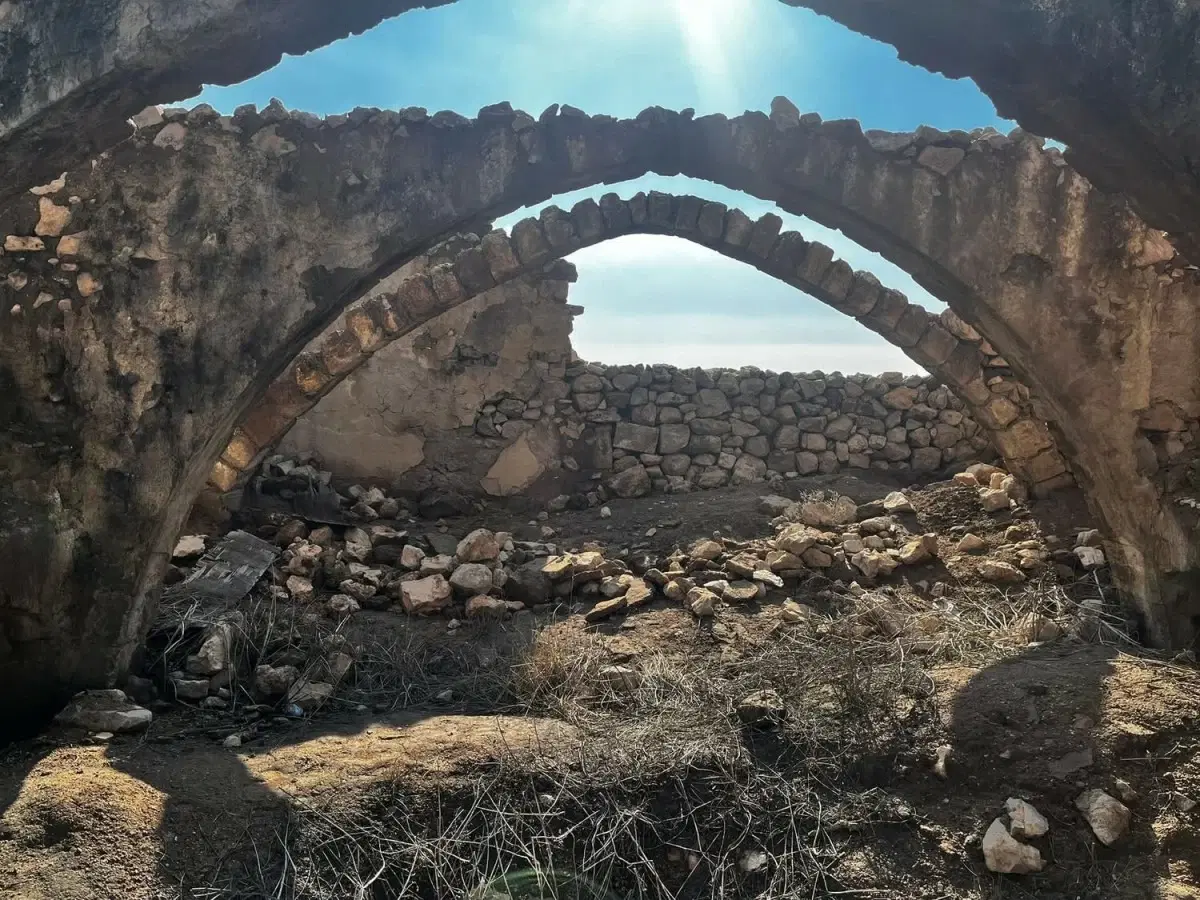
He explained that the development of education and the diversity of job opportunities and services contributed to changing patterns of living and residence with the relocation of a number of residents to other areas, indicating that documenting the village's history requires utilizing local narratives, photos, and available documents, in addition to verifying historical information related to its origin and old houses.
Member of the Voluntary Work Coordination Committee Sami Al-Rumaili said that the participation of the village's people in documenting its history could contribute to preserving local memory by collecting old photos, documents, and testimonies held by families, and introducing the changes the village witnessed in life and housing patterns.
Member of the Nasmat Shawq Tourism Association Mahmoud Al-Aboud said that the old houses and the heritage associated with rural life could form an entry point to introduce Deir Al-Samadiya within cultural and rural tourism, pointing to the importance of identifying existing landmarks, documenting them, and providing reliable information about them.
He added that studying the possibility of including the village within the visit paths in Ajloun Governorate requires identifying suitable sites for visiting and coordinating with house owners and relevant authorities in a way that allows introducing the history of the place while taking into account the privacy of the residents.
Member of the Family Cultural Forum Ru'a Zaitoun said that the memory of Deir Al-Samadiya is not limited to old houses but includes social customs, details of daily life, and relationships between families, including cooperation in agricultural work and occasions that brought the residents together.
She emphasized the importance of documenting the narratives of the elderly and the memories they hold about life in the village, because they contain social details that help in understanding the nature of living in the past and passing on aspects of local memory to new generations.