Rawashdeh: Villages are the true incubators of the story of the land and the people
He inaugurated the Hamoud Cultural Days and its old school museum
Amman5 min read
Share
Minister of Culture and Acting Minister of Tourism and Antiquities, Mustafa Rawashdeh, said that culture begins in Jordanian villages that remain loyal to their heritage, characteristics, and history spanning through the ages, as they are the true incubators of national memory and a mirror to the history of the place and the people.
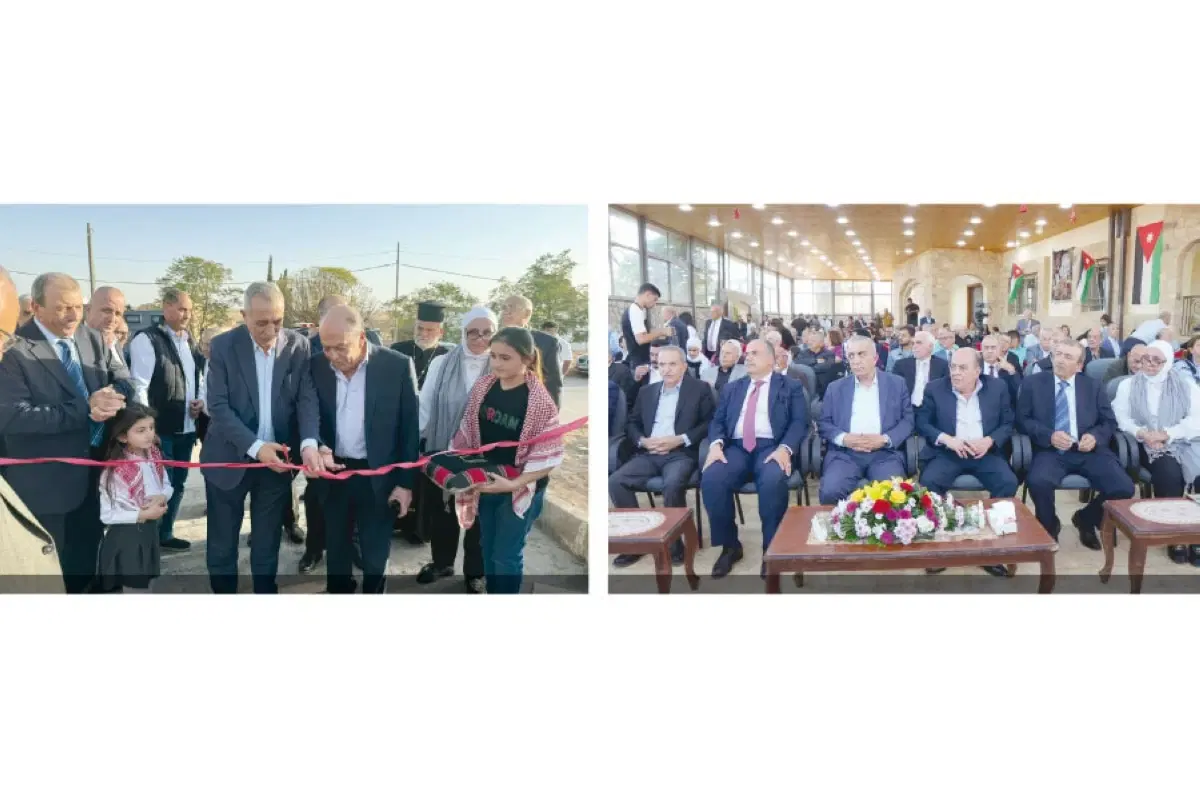
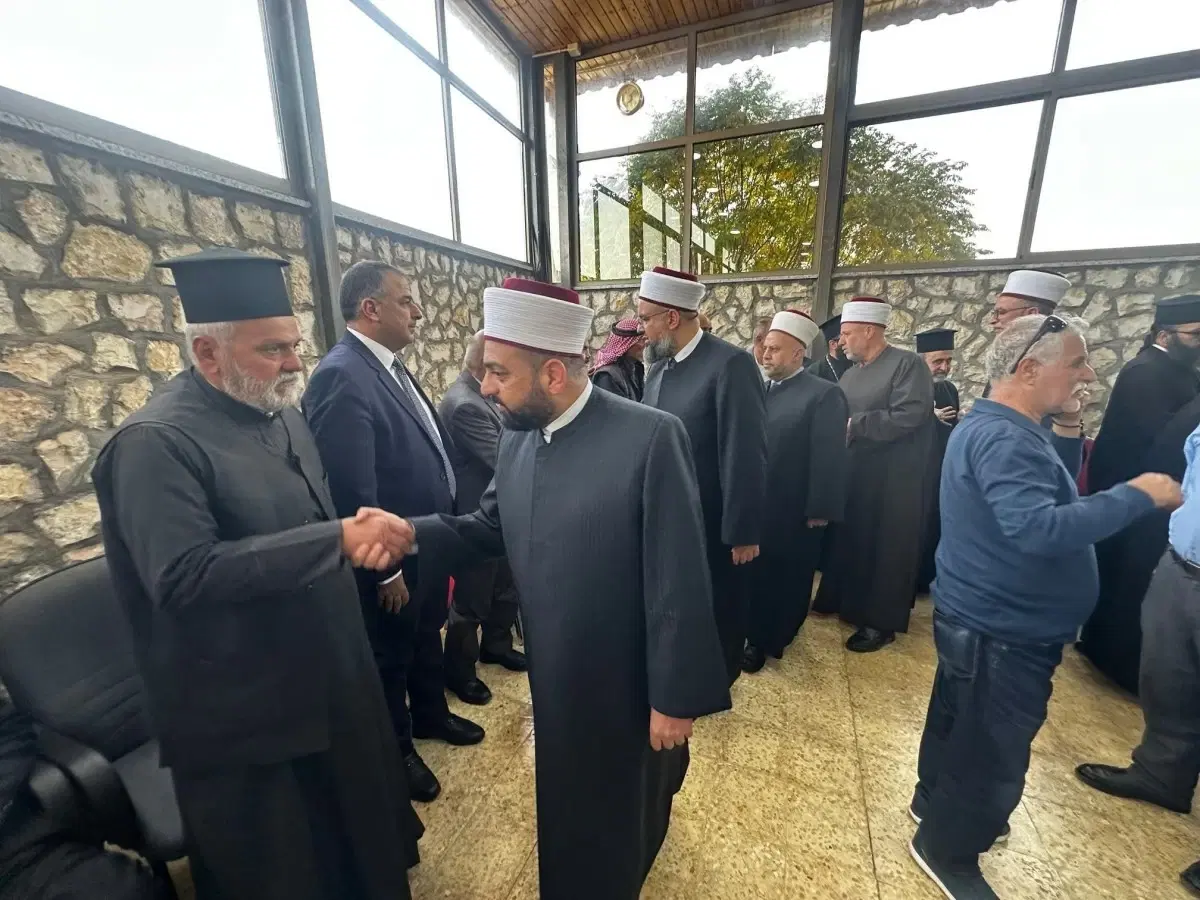
This came during his patronage, in the town of Hamoud, north of Karak, of the opening of the Old School Museum affiliated with the Hamoud Sons Association for the Revival of Cultural and Historical Heritage, and the activities of the Cultural Days organized by the association in cooperation with the Karak Governorate Culture Directorate, as part of the "Al-Qasr District, City of Jordanian Culture 2026" events, in the presence of official and popular figures and a gathering of intellectuals and heritage enthusiasts from the village and the governorate.
Rawashdeh added: "We are proud and cherish our villages, which have always been proactive in giving and openness to education and development, and have formed a model of sophistication that has reflected on generations of their children, and were a partner in the development and achievement attained for the nation."
He continued that this cultural, heritage, and documentary achievement is added to the book of the Jordanian narrative "The Story of the Land and the People," for the school constitutes the village's narrative and story, and it was a beacon of knowledge and a pillar of enlightenment at that time, and it still carries within its walls many stories and tales that bear witness to the village's development and its social and cultural transformations over decades.
He pointed out that the village of Hamoud constitutes a model in the style of its architecture, its old heritage houses, its commercial market, its mill, and its school, and it is distinguished by the aesthetic characteristics of the place and continuous human activity. It is linked within the framework of Karak, which is distinguished by cultural diversity, with its culture and intellectuals who contributed to building the nation, defending it, and protecting its sanctuary in all fields of honor and glory, and they were the builders who inaugurated the memory of the place and the person.
He emphasized that the museum, which is established in one of the educational and enlightenment edifices, and with the manuscripts, photos, and tools it possesses, will form a center of radiance to introduce the history of the place, the history of Jordan, and cultural activities, and to introduce the values, customs, and lifestyles that the ancestors lived and their relationship with the place that resembles their features, determination, and pride.
The Minister announced the start during the coming year of completing the second phase of developing the school museum, so that the building, upon its completion, will turn into a museum of folk life, and the launch of the Hamoud Cultural Festival.
The head of the association, Fares Al-Halsa, said that the village of Hamoud has a story and a narrative that deserves to be told in the voices of its people, and a memory that deserves to be preserved, which is what the association, which was established 20 years ago, is working on. Its goal was to build a cultural project that documents the history of the village, preserves it, and works to restore its old buildings. The first steps were celebrating the centenary of the school and restoring it to remain a living witness to the status of work and education in the history of the village, then completing the first phase of the school museum with the support of the Ministry of Culture, and rehabilitating the front courtyard of the museum with the support of the Ministry of Tourism, followed by the launch of the Hamoud Cultural Days, which he hopes will turn into an annual festival where culture meets heritage.
Within the framework of the activities, a cultural seminar titled "Memory of the Place.. Our Village Hamoud as a Model" was held in the presence of the Minister, moderated by Dr. Haider Al-Halsa, and featured writer and engineer Daigham Al-Qassous Al-Halsa, who presented literary texts in which he addressed many aspects of the village's heritage and its position in memory.
He emphasized that Hamoud stands as a living witness to the authenticity of the place extending over thousands of years, and tells the story of an authentic Jordanian society that has preserved its cultural and heritage identity through generations, and will remain the most beautiful model of the place that gives identity a body, a soul, and a shelter for those who felt the warmth of the mud and the ancient chants.
For his part, the intellectual and politician Dargham Al-Halsa spoke about the place and its importance in human existence, and the dialectic of the relationship between the land and the person, pointing out that whoever has no place has no memory, and whoever has no memory has no future, and a person without a place is a biography without a title.
Al-Halsa recounted the history of the village's origin, pointing out that it constitutes a unique model in its historical and civilizational dimension, with the historical and heritage treasures it contains, most of whose landmarks are still standing to this day. In addition to the school, the old commercial market, churches, grain mill, and old heritage buildings, the sounds of daily life blend in its spaces to form a mosaic painting that combines the depth of tribal ties and the early cultural awareness of its inhabitants, pointing out that Hamoud was never just a population gathering, but was an educational beacon that graduated statesmen, writers, doctors, and engineers who contributed to building modern Jordan.
The activities included folklore artistic segments that evoked the aesthetics of popular heritage, in addition to musical pieces presented by the Greek Orthodox Scouts and Guides band in Karak, which added an atmosphere of pride in the cultural identity.