Father Nabil Haddad: Protecting the national fabric begins with rejecting incitement and upholding the partnership among Jordanians
Al-Ayasrah: Awareness and culture are pillars for protecting societal security
Follow Al Rai

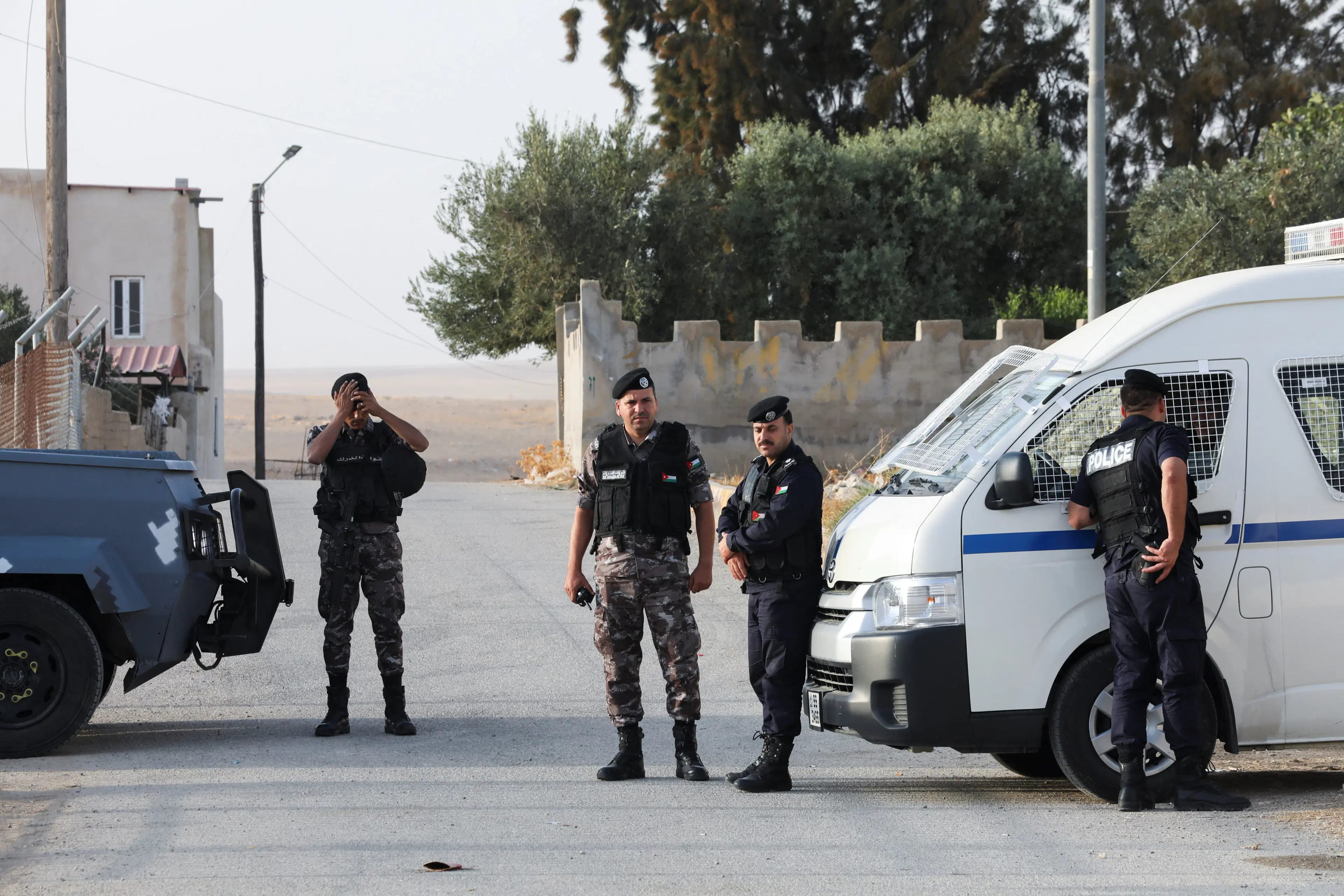
After the Karak incident.. How do we protect places of worship from terrorism?
Father Nabil Haddad: Protecting the national fabric begins with rejecting incitement and upholding the partnership among Jordanians
Al-Ayasrah: Awareness and culture are pillars for protecting societal security
Sharif: Media and universities are called upon to confront extremist ideology and immunize the youth
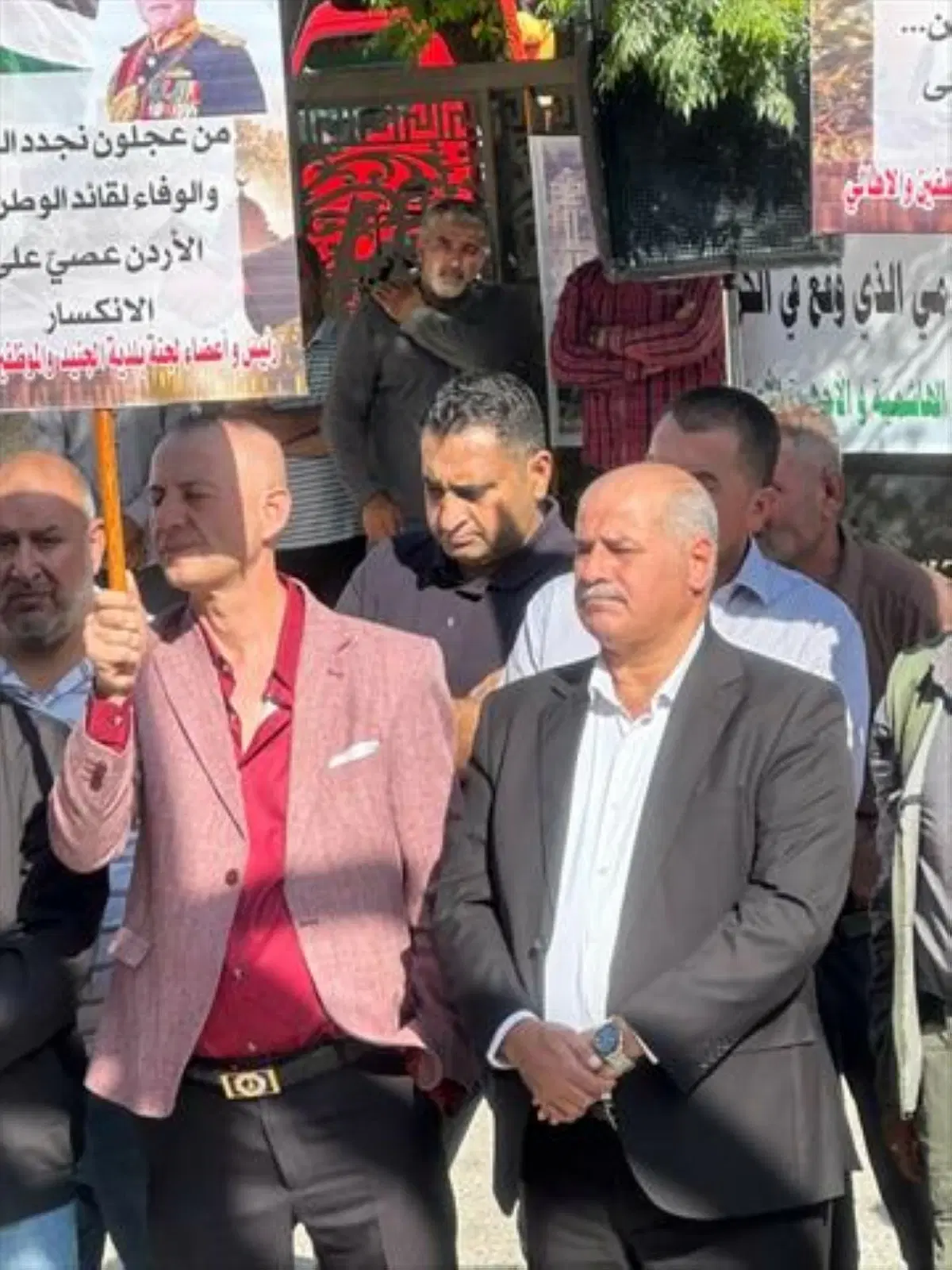
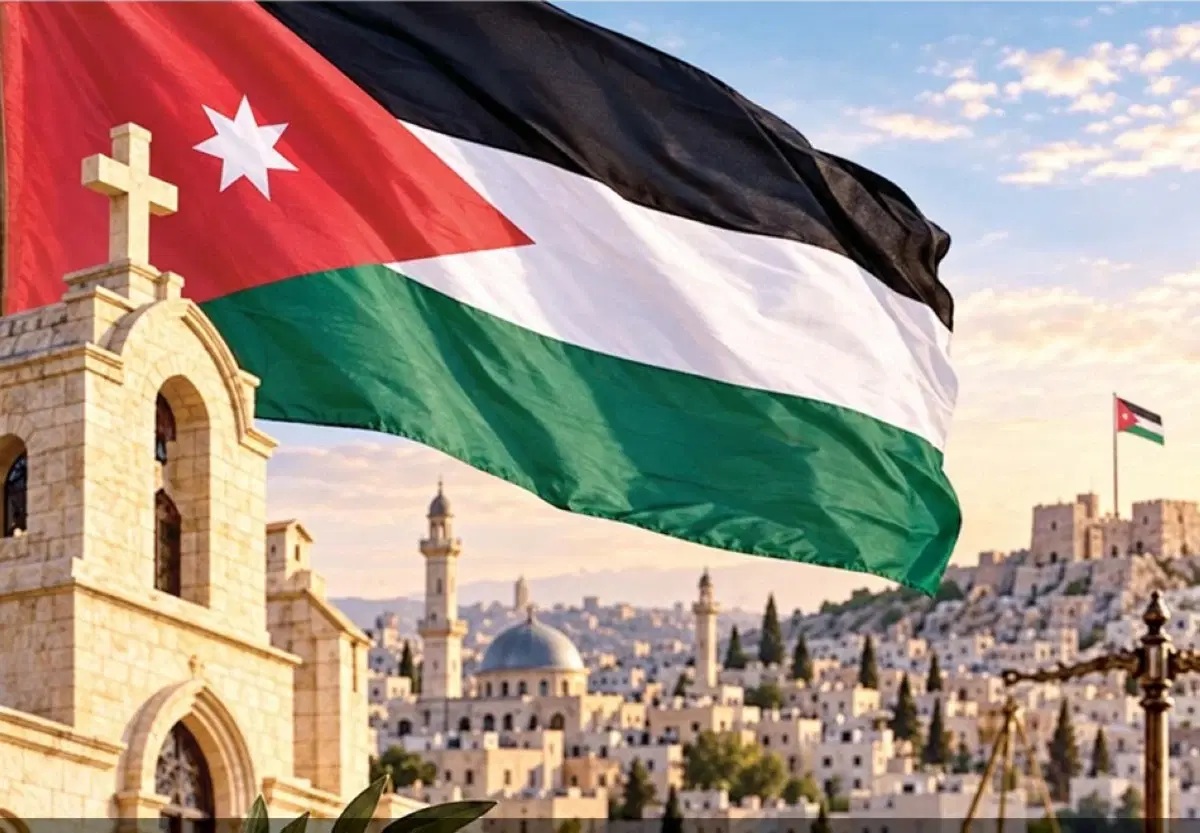
Specialists emphasized the importance of protecting the Jordanian social fabric and strengthening national unity in the face of extremist ideology, stressing the necessity of resorting to the law and official institutions, confronting rumors and hate speech, and consolidating a culture of respect for sanctities and citizens' rights, in a way that preserves Jordan's security and stability and safeguards the values of brotherhood and solidarity that have always formed part of its national identity.
Father Nabil Haddad, head of the Coexistence Research Center, believes that protecting the Jordanian social fabric begins with treating attacks on places of worship as an unacceptable act and resorting to the law and official institutions, away from rumors and hasty reactions that could push society toward division.
He warns against generalizing the responsibility of an individual act to an entire religion or group, confirming that Muslims and Christians have lived as brothers and partners in building and defending Jordan.
In his interview with "Al-Rai," Haddad emphasizes that the responsibility of religious leaders lies in declaring a clear position that rejects attacks on sanctities and places of worship, and consolidating the respect for every person's right to practice their religious rituals in safety, in addition to strengthening continuous communication between members of society, which builds trust and prevents the exploitation of crises to incite hatred.
He points out that Islamic-Christian relations in Jordan are part of its history and national identity, and that preserving them is translated into daily practices, from safeguarding the dignity and rights of citizens, to protecting all places of worship, and solidarity in times of joy and sorrow and serving the needy without discrimination.
For his part, the Secretary-General of the Ministry of Culture, Dr. Nidal Al-Ayasrah, confirms in his interview with "Al-Rai" that what was witnessed in Karak does not represent the Jordanian people, their customs, traditions, and human values, considering that such acts contradict the values of Jordanian society and the principles of religions that reject terrorism and intimidation.
He stresses that Jordan is a country of security, stability, and brotherhood, and that the relations between its people were not based on discrimination between Muslim and Christian or between the people of one governorate and another, and the importance of maintaining and strengthening these bonds.
He confirms that such acts will not undermine the unity and cohesion of Jordanians, stressing the importance of rallying around the Hashemite leadership and security services and strengthening love, solidarity, and brotherhood among members of society.
Meanwhile, the Vice President of Middle East University, Dr. Salim Sharif, emphasizes the importance of media, educational, and religious institutions joining forces to confront extremist ideology and promote a culture of respect for sanctities, which contributes to protecting the societal fabric and consolidating the values of coexistence.
In his interview with "Al-Rai," Sharif says that attacks targeting places of worship call for strengthening societal awareness, warning against extremist ideas that employ religion to justify attacking others and their sanctities.
He points out that respecting sanctities and safeguarding places of worship represent a common value in religions, citing the position of Caliph Omar ibn al-Khattab regarding the Church of the Holy Sepulchre in Jerusalem as a historical example of the keenness to protect places of worship and not to infringe upon them.
Know more about this story?Send us a tip
Ask about this report — answers stay grounded in its text.