Al-Rawashdeh said that the firmness of the royal position, the awareness of Jordanians, and the cohesion of state institutions represent fundamental pillars in facing challenges, emphasizing that the assault on innocent people and places of worship contradicts the teachings of the tolerant Islamic Sharia, which prohibits aggression against human life and calls for justice, mercy, and the preservation of rights.
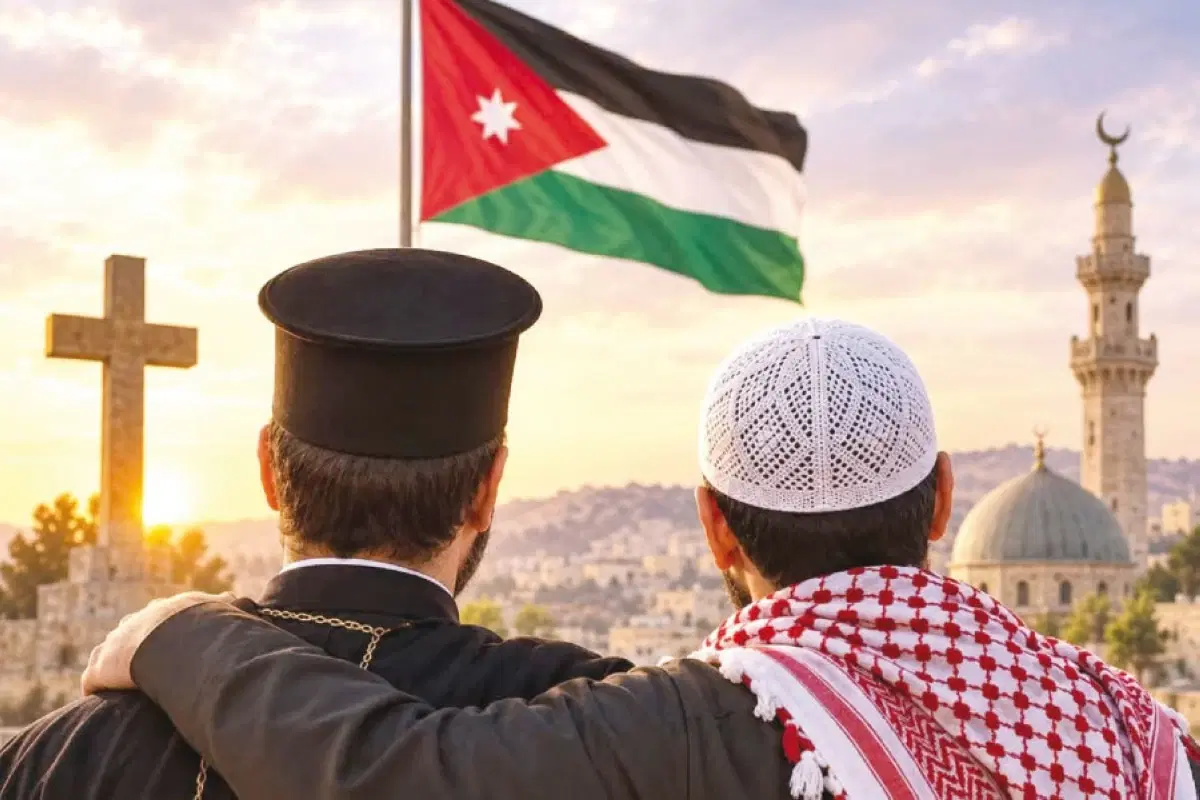
He added that Muslims and Christians are partners in the homeland, united by citizenship, rights, duties, and bonds of history and a common destiny, pointing out that the unity of Jordanians represents the first line of defense in confronting attempts to sow division and hatred and destabilize the country.
He stressed that confronting terrorism is not limited to security and military measures, but requires addressing extremist ideology, promoting correct religious awareness, spreading a culture of moderation and tolerance, and countering hate speech and incitement. He emphasized that protecting Jordan's security is a shared responsibility in which the efforts of the leadership, state institutions, and security services integrate with the awareness of citizens, calling for waiting for the facts announced by the competent authorities and avoiding unreliable information.
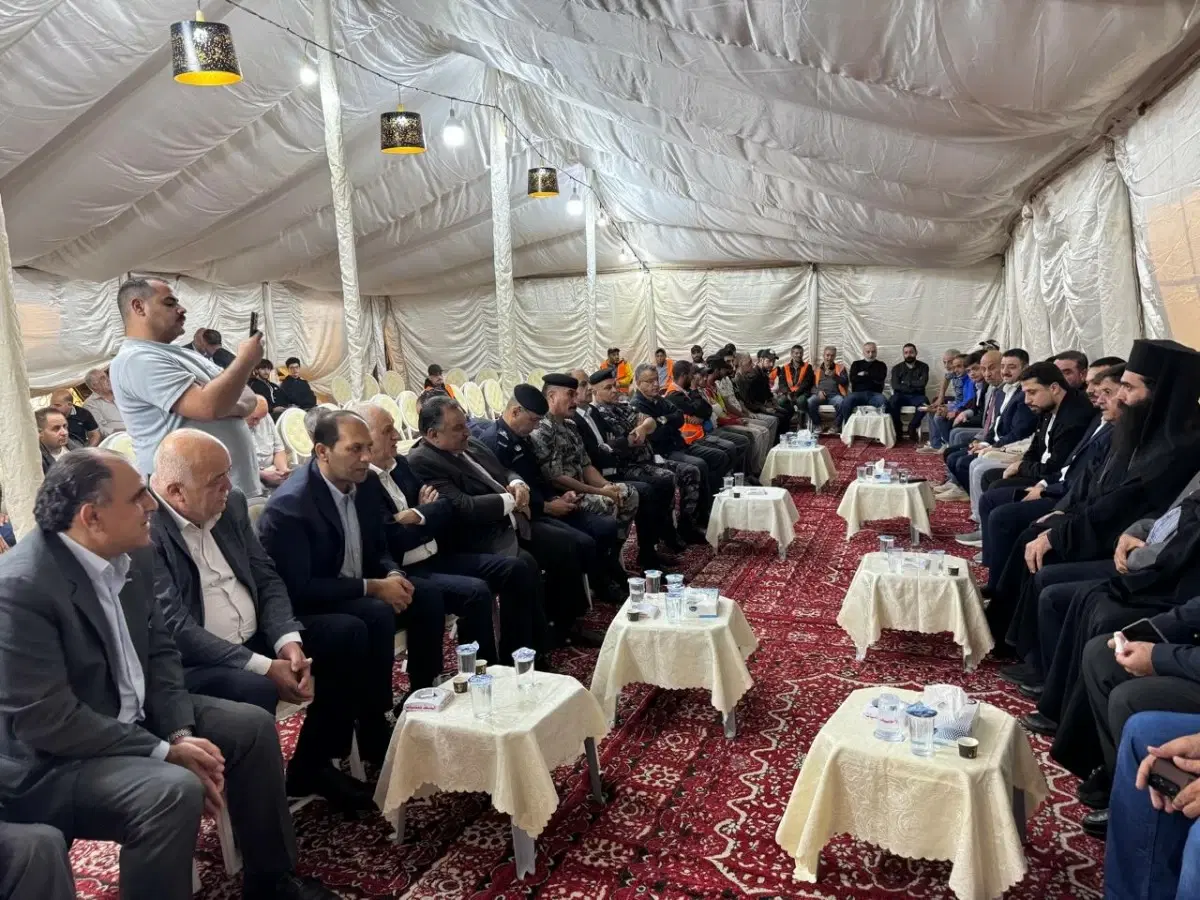
Al-Rawashdeh pointed to the importance of standing by the families of the victims and supporting the injured and those affected, affirming that the affliction of any citizen is the affliction of the entire nation, and that Karak will remain an integral part of the conscience of Jordanians, who are bound by ties of brotherhood and national belonging.
For his part, Dr. Ali Hadithat affirmed that targeting innocent people and places of worship represents an assault on humanity and its right to life and security, and an infringement on the values of societal peace that have formed a fundamental pillar in Jordan's history and national identity.
Hadithat said that places of worship must remain spaces for tranquility, faith, and gathering, stressing that condemning the incident should go beyond expressing sadness to strengthening national unity, mutual trust, and rejecting any discourse that seeks to sow hatred or incite discord.
He explained that confronting violence requires firmness in condemning attacks, in parallel with resorting to the law and not directing accusations at any religious or social group without evidence, in order to preserve the rights of the victims and the dignity of citizens.
He pointed to the responsibility of religious, social, cultural, and media institutions in consolidating tolerance, respecting diversity, and confronting hate speech, affirming that the security of churches, mosques, and all places of worship is an integral part of the nation's security.
Hadithat concluded by emphasizing that solidarity with the victims' families and supporting the injured is a national and humanitarian duty, and that Jordan is capable, through the cohesion of its society and institutions and the rallying of its people around the Hashemite leadership, of overcoming the ordeal, safeguarding its national unity, and thwarting attempts at division and destabilization.