"The Jordanian Narrative" sheds light on the tourism, heritage, and archaeological richness in the Kingdom
Amman3 min read
Share
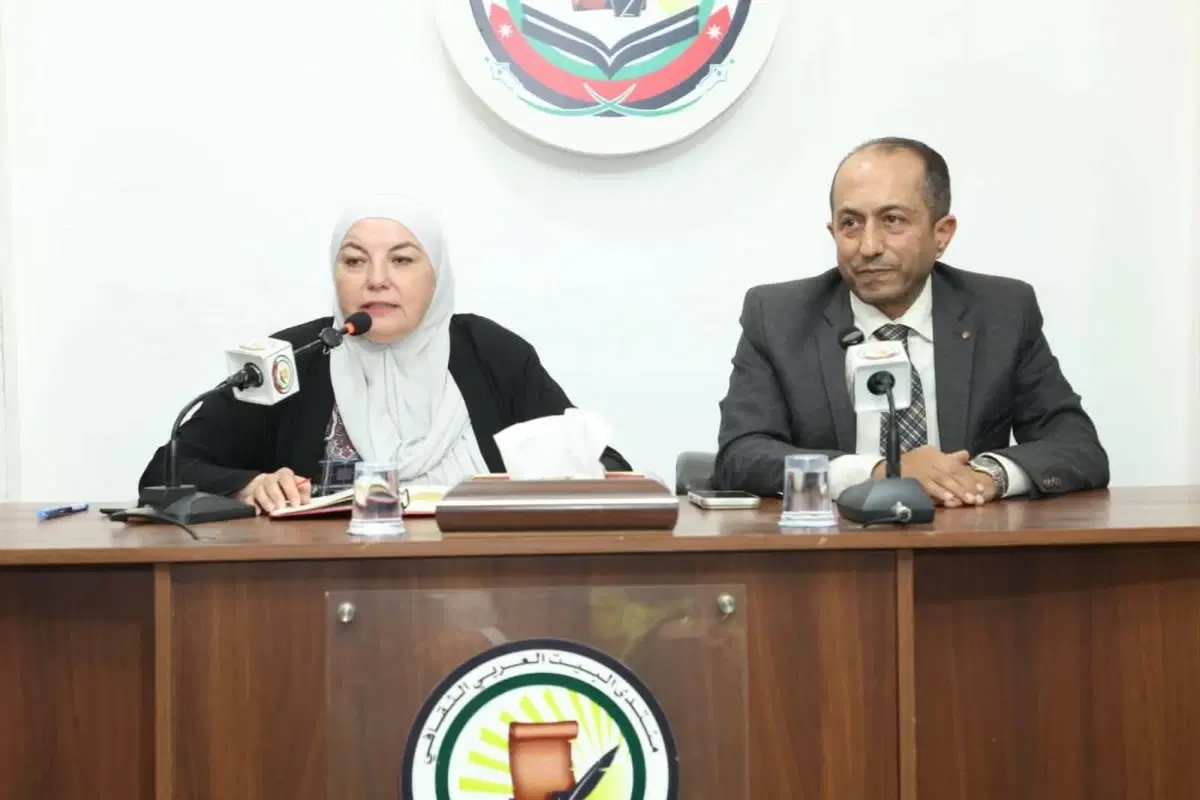
As part of the third season of "Jordanian Cultural Days," the Arab House Cultural Forum organized a lecture titled "The Tourism, Heritage, and Archaeological Narrative in Jordan," presented by the President of Ammon Applied University College, Prof. Dr. Ibrahim Al-Kurdi, and moderated by writer Mirna Hatqowa, in the presence of a number of intellectuals and those interested in cultural and heritage affairs.
The lecture addressed the importance of formulating an integrated national narrative for tourism, heritage, and archaeological sites in Jordan, reflecting the depth of its history and the diversity of its civilizations, highlighting its position on the cultural tourism map, and enhancing awareness of the value of the civilizational legacy that the Kingdom abounds with.
Al-Kurdi reviewed the most prominent historical, archaeological, and tourism sites in Jordan, and the evidence they hold of successive civilizations and human interaction with the place throughout the ages, noting that these sites represent an authentic part of the national memory and a key component of the Jordanian identity.
He emphasized the importance of moving beyond the traditional presentation of archaeological and tourism landmarks, and transitioning to providing an integrated knowledge-based narrative that links sites to their history and reveals the human, cultural, and social connotations they carry, giving the visitor a deeper understanding of their civilizational value and strengthening their connection to the place and its history.
He pointed out that the tourism and heritage narrative constitutes an important tool in introducing Jordan and presenting its civilizational image to the world, in light of its cultural diversity, historical richness, and archaeological sites of global importance, which contributes to strengthening the Kingdom's presence in the field of cultural tourism and supports efforts aimed at preserving and protecting heritage and passing it on to future generations.
He explained that the importance of archaeological sites is not limited to them being tourist destinations, but rather they represent living witnesses to the nation's history and memory, including the human stories and experiences they contain that reflect the extension of Jordanian civilization and the diversity of its tributaries. Hence, the importance of employing historical and cultural knowledge in building a tourism discourse that combines scientific accuracy with the beauty of storytelling, and enhances society's awareness of the value of its civilizational heritage, becomes clear.
Writer Mirna Hatqowa began the meeting by introducing the lecturer, reviewing his scientific and professional biography and the most prominent milestones of his career and achievements, and highlighting his contributions to the academic and knowledge field, before opening the floor for a lecture that dealt with one of the topics related to national identity and ways to highlight the Jordanian historical and civilizational heritage.
This event comes in the context of the Arab House Cultural Forum's efforts aimed at revitalizing the national cultural scene, providing space for dialogue and knowledge exchange about the components of the Jordanian identity, and shedding light on the tourism, heritage, and archaeological assets that the Kingdom possesses. It also aligns with the goals of the third season of "Jordanian Cultural Days," which adopts the Jordanian narrative as the focus of its activities, confirming the importance of documenting national memory and enhancing awareness of Jordan's history and civilization.