Culture in the face of terrorism.. The voice of national unity rises above strife and hate speech
Artistic, literary, and cultural institutions condemn the attack on Karak
Amman7 min read
Share
In the face of the terrorist crime that targeted a church in the town of Hamoud in Karak Governorate and the innocent victims and injured it left behind, positions of rejection and condemnation of violence and the targeting of places of worship are renewed, reaffirming the importance of the role played by culture, arts, and literature in protecting the social fabric and consolidating the values of citizenship, tolerance, and brotherhood among the members of Jordanian society.
The positions expressed by Jordanian cultural, artistic, and literary institutions, each from its own position and through the means it chose to express, reflect a clear rejection of the attack, an adherence to national unity and coexistence, and a rejection of any discourse that seeks to spread hatred or exploit religion to incite strife and division. These positions also confirm that targeting innocent people and places of worship does not affect a specific group, but rather attacks the values of the entire society and the human right to life, security, and worship.
In this context, the importance of the cultural stance is manifested as part of the general national stance, as the responsibility of culture is not limited to producing knowledge and creativity and celebrating arts and literature, but extends to defending human dignity, enhancing societal awareness, and confronting extremist ideas that undermine the values of coexistence and mutual respect.
A candlelight vigil.. Art is loyalty to the victims and a message of peace
In a stance expressing human solidarity with the victims and their families, the Jordan Artists Association organized a candlelight vigil in the courtyard of the Royal Cultural Center, with the participation of Jordanian artists, in loyalty to the souls of the martyrs and to confirm the rejection of all forms of violence and attacks on places of worship and humanity.
Through the lighting of candles, the vigil embodied a symbolic scene that carried a message of grief and solidarity, confirming that art is not separate from the issues and pains of society, but rather possesses the ability to express the human conscience and defend the values of love, peace, tolerance, and brotherhood.
The association affirmed that national and human unity will remain stronger than violence and division, in a message that places the human being at the forefront of the stance and refuses to allow the crime to become a pretext for hatred or harming the relationships that unite the people of the same nation.
"Publishers Union": "Confronting extremism begins with thought and culture"
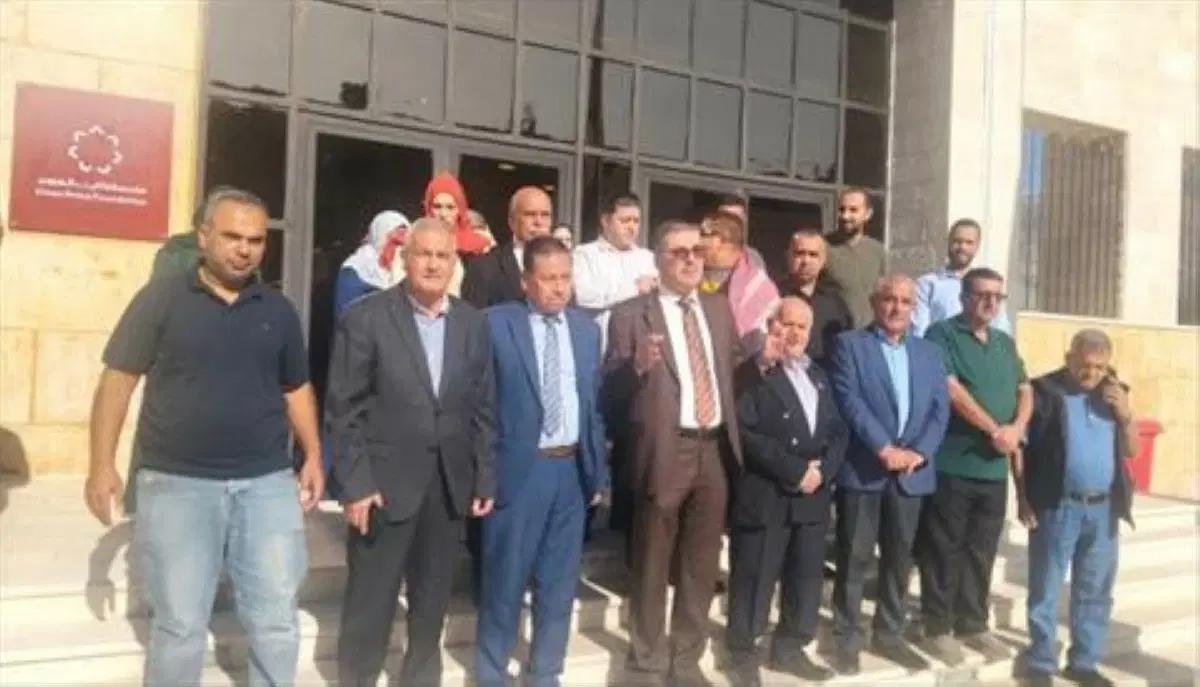
For its part, the Jordan Publishers Union, in a press statement, condemned the terrorist attack that targeted the church in the town of Hamoud in Karak Governorate, confirming that this criminal act contradicts human values and the historical traditions of coexistence that have brought Jordanians together, and constitutes an attack on the national social fabric.
The head of the union, Jaber Abu Fares, stressed that attempts to sow strife and split the national ranks will not undermine the cohesion of the internal front, praising the efforts of the security services and their sacrifices in protecting the security and stability of the Kingdom.
The statement emphasized that targeting places of worship and safe citizens represents a red line, and that confronting terrorism is not limited to pursuing its perpetrators, but also requires a comprehensive intellectual and cultural battle that works to dry up the sources of extremist discourse, promote values of tolerance, moderation, and pluralism, and protect generations from ideas that incite hatred and exclusion.
This position highlights the importance of books and publishing in building public awareness, and the role of knowledge in confronting obscurantist ideas and promoting a culture of dialogue and respect for difference, making culture one of the tools for protecting society from extremism and isolation.
"Writers and Authors Union": Terrorism will not undermine our national cohesion
In turn, the Jordan Writers and Authors Union issued a statement of condemnation and denunciation, in which it expressed deep sadness and sorrow over the crime that targeted the church, describing the attack as terrorist and cowardly, and confirming its absolute rejection of this act that contradicts moral and human values.
The head of the union, the poet Olayan Musa Al-Adwan, on his own behalf and on behalf of the administrative and general bodies, extended his deepest condolences and sympathy to the Hashemite leadership, the Jordanian government, the Jordanian people, and the families of the victims, wishing a speedy recovery to the injured.
The union affirmed that terrorism will not undermine Jordan's security and dignity and will not be able to harm its national cohesion and social diversity, stressing that calamities will only increase Jordanians' steadfastness, solidarity, and adherence to their unity.
The union's position comes to confirm the responsibility of the word and literature in expressing the conscience of society and rejecting everything that would tear apart human bonds or turn religious and cultural difference into an entry point for conflict, for the word that sides with the human being, truth, and life remains part of confronting extremism and consolidating national awareness.
"Plastic Artists": "The attack is an infringement on the painting of coexistence"
For its part, the Jordan Plastic Artists Association condemned the terrorist attack, expressing its shock and anger at the targeting of the church, and confirming that the crime did not only target the walls of a place of worship, but also touched the symbolism of coexistence and the social fabric that Jordanians have built over the decades.
The association pointed out that art and culture have always formed a mirror of the deep-rooted brotherhood among Jordanians and an embodiment of the values of tolerance, citizenship, and common destiny, considering that attempts to destabilize the social fabric are alien to the traditions and values of Jordanian society.
The association stressed its rejection of the takfiri ideology that seeks to spread hatred and attack safe places of worship, confirming the importance of national unity and praising the role of the armed forces and security services in protecting the homeland and pursuing the perpetrators of crimes, while extending condolences to the families of the victims and praying for the speedy recovery of the injured.
In a significance that goes beyond direct artistic expression, plastic art is present here as a space to embody diversity and pluralism, and to confirm that differences in beliefs and backgrounds do not detract from the unity of society, but rather fall within the features of its human and national identity.
Culture in the face of hate speech
These positions meet on the necessity of not allowing the crime to turn into an entry point for strife or discrimination, or to undermine the historical relationships that bring Muslims and Christians together in Jordan, where coexistence, citizenship, and respect for places of worship constitute fundamental principles in maintaining social stability.
These positions also highlight the need for continued cultural and intellectual work in confronting extremism through books, art, theater, cinema, and cultural activities, and expanding the spaces that allow for dialogue and critical thinking, and fostering in new generations respect for the human being and their right to difference and to live in safety and dignity.
For culture, in moments of national pain, does not stop at observing the event or expressing sadness, but contributes to protecting the meaning that brings people together, and confirms that confronting hatred begins with rejecting it intellectually and morally, and by consolidating a discourse that believes in pluralism and preserves human dignity.
Between the candlelight vigil and the statements of condemnation, the message of cultural, artistic, and literary institutions advances to confirm that grief for the victims is a shared human responsibility, that protecting society from strife is a collective national responsibility, and that an attack on a place of worship cannot justify generalizing the accusation or targeting any segment of the nation's people.
Jordan, with its history and social diversity, is based on national and human bonds that transcend religious difference, confirming that Muslims and Christians are partners in the homeland and destiny, and that terrorism will not succeed in undermining this partnership. Culture, arts, and literature will remain platforms for defending life, tolerance, and brotherhood, and preserving the unity of society in the face of violence and hatred.