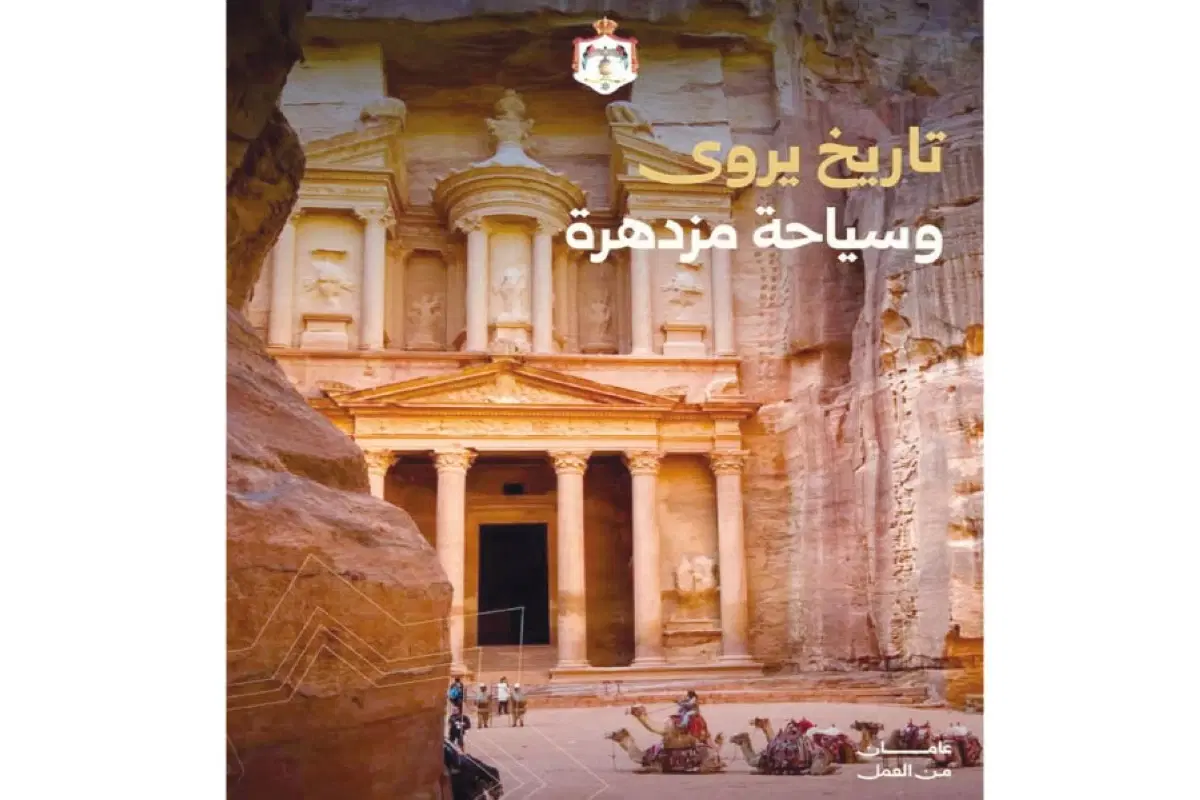
In this context, the "Jannah.jo" (Our Jordan is a Paradise) program constitutes one of the paths supporting domestic tourism, as it has worked to diversify destinations and include archaeological sites, museums, and visitor centers within its programs, in addition to natural, cultural, and religious trails. The number of participants in the program in 2024 reached about 311,000, according to data from the Ministry of Tourism and Antiquities.
Developing the tourism sector is not limited to improving infrastructure and services, but extends to enhancing the cultural and historical value of sites, and connecting the visitor to the stories and memory of the place, allowing for the provision of experiences that go beyond the traditional visit to learning about the history, heritage, and customs of local communities.
On the cultural side, the Jordanian Narrative project is advancing as a path to document the history of the land, the people, and the civilizational and cultural legacy of the Kingdom. The Ministry of Culture is working to enhance community participation in this project through the "Stories from Jordan" platform, which was launched to allow citizens to contribute to documenting history, heritage, and cultural legacy through texts, images, recordings, and visual materials.
The Ministry also launched the "Jordanian Narrative Dialogues" program, which addressed the history of the governorates and their role in shaping the national narrative, culminating in the conclusion of the program in Amman last September, which enhances the presence of local accounts and historical and cultural testimonies in formulating a more comprehensive image of Jordan and its transformations.
Documenting tangible and intangible heritage, alongside preserving archaeological and historical sites, represents a fundamental element in protecting national memory and passing it on to future generations, in addition to the possibility of utilizing it in developing cultural content and introducing the diverse tourism assets that the Kingdom abounds with.
These efforts are also linked to the role of local communities in preserving heritage and presenting it to visitors through traditional crafts, local products, folk tales, and experiences associated with the specificity of each region, which enhances economic participation opportunities and gives tourism a social and cultural dimension.
The importance of these paths remains linked to the sustainability of the projects, the clarity of their results on the ground, their ability to improve services, expand job opportunities, and enhance the participation of local communities, in addition to developing tools for documenting and promoting heritage.
Thus, the integration between tourism and culture constitutes an opportunity to strengthen Jordan's presence as a destination that combines the diversity of nature, the depth of history, and the richness of civilizational heritage, while preserving national memory and employing it in sustainable development paths.