Tourism and Culture.. National Assets and Opportunities to Enhance Growth and Local Development
Jordan leverages its tourism and cultural heritage to stimulate the economy
Amman8 min read
Share
From supporting tourism establishments and their employees, and expanding the "Jannah.jo" (Our Jordan is a Paradise) program, which attracted 202,000 participants from April to the end of last September, to restarting the Dead Sea beach and its promenade, opening the eco-lodge in the Yarmouk Reserve, and enhancing air connectivity with Riyadh and Abu Dhabi, Jordan continues to implement programs and projects aimed at revitalizing tourism activity, strengthening the sector's ability to face regional challenges, and expanding its contribution to the national economy and local communities.
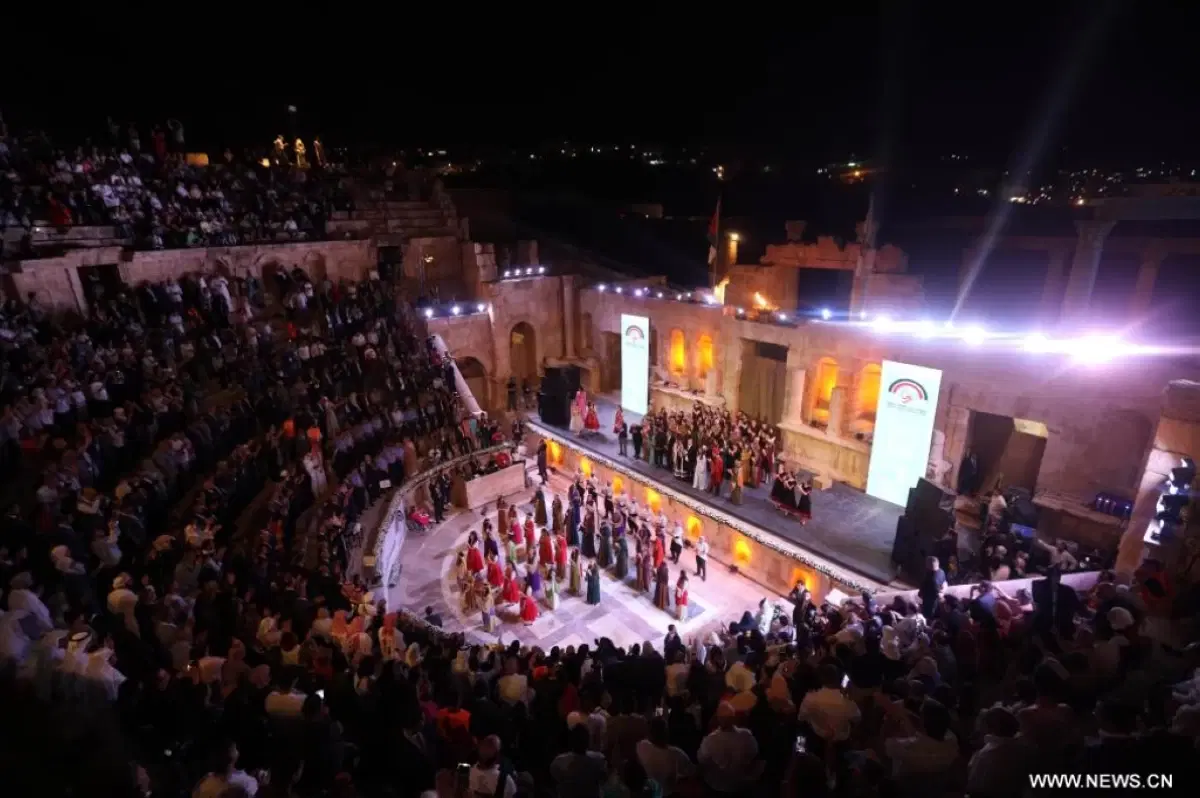
These efforts are integrated with cultural and heritage initiatives, most notably the project to document the Jordanian narrative and the "Stories from Jordan" platform, which received more than 1,750 submissions, and the implementation of 12 dialogue seminars as part of the "Hiwarat" (Dialogues) program in the governorates, in addition to rehabilitating archaeological and heritage sites and holding the 40th edition of the Jerash Festival for Culture and Arts, which attracted about 200,000 visitors and featured 401 cultural, artistic, literary, and heritage events with the participation of 30 countries.
These initiatives reflect a trend toward utilizing tourism and cultural assets to enhance the Kingdom's attractiveness, expand investment and employment opportunities, and link cultural heritage with economic activity, ensuring that the benefits of development extend to local communities in various governorates.
In this context, specialists, officials, and private sector representatives believe that developing the tourism product, strengthening cultural and creative industries, expanding partnerships, and leveraging historical, natural, and cultural diversity are essential paths to raising the competitiveness of the tourism and cultural sectors and enhancing the sustainability of their economic and social impact.
Jerash Festival.. A Platform for Creativity and an Engine for Development
The Director of the Jerash Festival for Culture and Arts, Dr. Yazan Al-Khodair, said that the festival serves as a platform to introduce the Jordanian cultural identity, highlight the Kingdom's image regionally and internationally, and strengthen its position as a cultural and tourism destination capable of attracting visitors.
He added that the results of the 40th edition, which attracted about 200,000 visitors and organized 401 events with the participation of 30 countries, reflect the importance of the festival in combining Jordanian creativity with openness to global cultures, and providing an opportunity for local artists and creators to reach a wider audience and enhance cultural exchange.
Al-Khodair explained that developing the festival requires expanding its role in supporting cultural and creative industries, strengthening partnerships with the private sector, and leveraging specialized expertise in event management, marketing, and logistics, which improves the quality of the visitor experience, enhances organizational efficiency, and contributes to building the capabilities of Jordanian personnel.
He pointed to the continued work to expand the festival's presence in global cultural forums, strengthen partnerships with international festivals and artistic institutions, and attract high-quality creative experiences, thereby supporting Jordan's position on the international cultural map.
The Jordanian Narrative.. Documenting National Memory
For his part, the spokesperson for the Ministry of Culture, Dr. Salem Al-Faqir, said that the project to document the Jordanian narrative represents a national and cultural project to preserve the memory of the place and the people, and to document events, experiences, folk tales, heritage, and values that have contributed to shaping the national identity across generations.
He added that the Jordanian narrative project, the "Stories from Jordan" platform, and the "Hiwarat" program confirm that national memory is the product of the experiences of Jordanians in various regions and environments, and that every village, city, and governorate has its own story that forms part of the Kingdom's history and conscience.
He explained that the "Stories from Jordan" platform allows citizens to document their local experiences and memories, and to transform oral narratives and inherited tales into knowledge and cultural material that can be referenced, thereby preserving national memory and enhancing its digital presence for new generations.
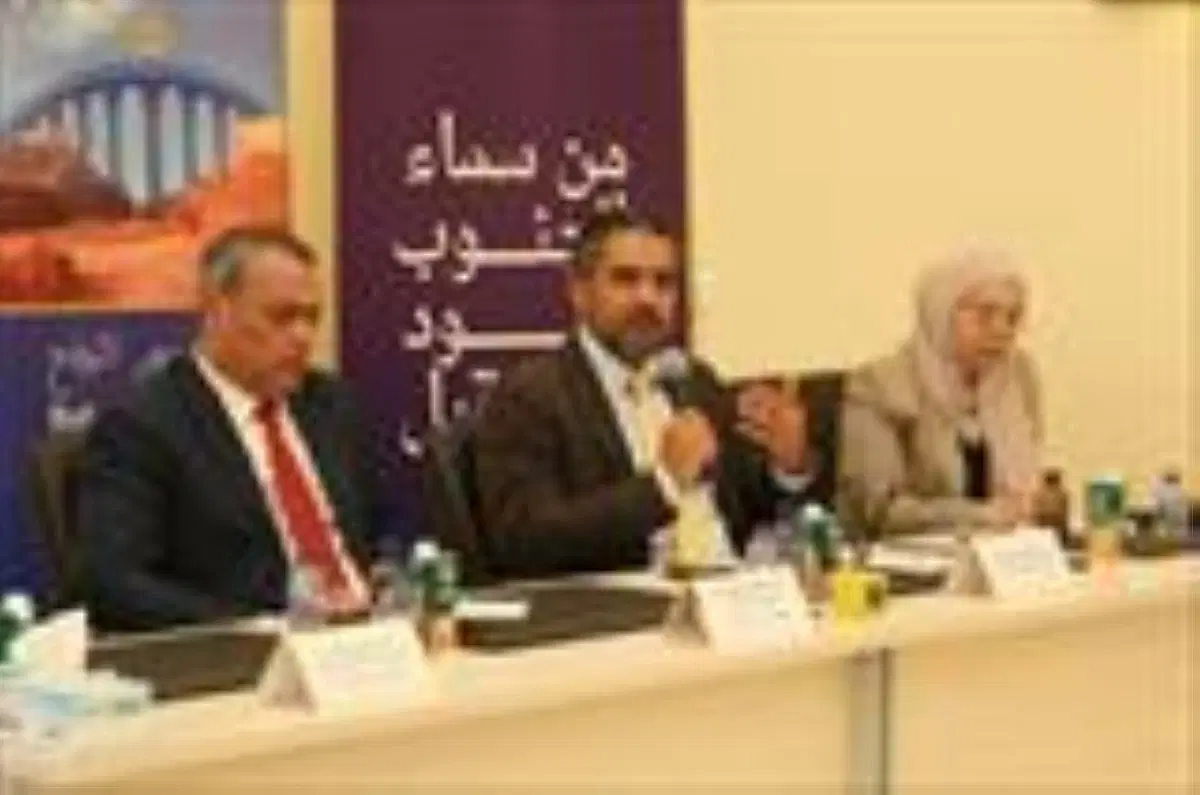
He pointed out that the "Hiwarat" program moved the project from documentation to community interaction through seminars and meetings that extended to the Kingdom's governorates, allowing intellectuals, researchers, and local community institutions to evoke historical and cultural experiences related to building the Jordanian state and consolidating its values.
Al-Faqir indicated that consolidating cultural identity among youth is not limited to providing historical information, but requires connecting them to the memory of their communities, the stories of their parents and grandparents, and the values of belonging, work, solidarity, and sacrifice they carry, and presenting this heritage in contemporary ways that suit their interests and means of communication.
He also stressed the importance of launching initiatives targeting youth and students, training them in oral documentation and historical research, and encouraging them to discover the history and heritage of their regions and transform it into contemporary cultural and creative content.
Broader Partnership and Investment in Tourism Assets
A member of the Board of Directors of the Jordanian Businessmen Association, Bahjat Hamdan, said that the tourism sector is one of the vital sectors for the national economy due to its role in supporting the GDP, providing job opportunities, and stimulating related sectors, including transportation, restaurants, hotels, trade, crafts, and traditional industries.
He added that supporting establishments and workers in the sector, encouraging domestic tourism, and restarting tourism facilities enhances the sector's ability to adapt to crises and reduce their impact on investments, establishments, and employment.
Hamdan pointed out that the diversity of the Jordanian tourism product provides opportunities to develop medical, wellness, religious, and cultural tourism, as well as adventure, nature, conference, and business tourism, which helps attract diverse segments of visitors, distribute activity throughout the year, and reduce seasonality.
He emphasized that the challenge lies in transforming these assets into integrated products, marketing them professionally, and linking them with transportation, accommodation, and cultural and entertainment activities, which encourages visitors to extend their stay and increase their spending within the Kingdom.
Hamdan stressed the need to measure tourism performance with indicators that go beyond visitor numbers to include average length of stay, daily spending, hotel occupancy, volume of local purchases, and the extent to which governorates benefit from tourism activity.
He indicated that empowering local communities to participate in the tourism value chain, through supporting small projects, handicrafts, heritage kitchens, tour guides, guesthouses, and activities related to the environment and heritage, expands the economic impact of the sector. The higher the share of tourism spending that remains within the local economy, the more the impact of tourism on income, employment, and development in the governorates is enhanced.
Diversifying the Tourism Product and Maximizing Economic Return
In turn, the Head of the Tourism Management and Heritage Marketing Department at the Jerash Technical University College of Al-Balqa Applied University, Dr. Mohammad Khaldoun Abdulrahman Al-Tubaishat, said that supporting tourism establishments and their employees, stimulating domestic tourism, and restarting facilities enhances the sector's ability to face regional and economic challenges and maintain the continuity of its activity.
Al-Tubaishat pointed to the need to continue supporting establishments, especially small and medium-sized ones, preserve the competencies working in them, develop training and qualification programs, and expand the use of digital solutions in marketing, booking, and service management.
He explained that domestic tourism contributes to supporting local demand, mitigating the effects of the decline in some foreign markets, and strengthening citizens' connection to their heritage and natural sites, which helps sustain economic activity in the governorates.
He emphasized that the opportunity lies in shifting from focusing on visitor numbers to maximizing the economic value of each visitor by diversifying tourism experiences, extending the length of stay, encouraging investment, and linking tourism with craft industries, local agricultural products, transportation, restaurants, and cultural and heritage events.
Regarding air connectivity, Al-Tubaishat explained that it represents an opportunity to facilitate access to the Kingdom and enhance Aqaba's position as a gateway for maritime and leisure tourism and a starting point for Petra, Wadi Rum, and the southern regions.
He emphasized that taking advantage of this opportunity requires coordination between airlines, tour operators, and tourism establishments, developing integrated packages, improving transportation between destinations, providing multilingual digital information and services, and implementing promotional campaigns targeting markets suitable for the Jordanian tourism product.
From National Assets to Sustainable Results
Tourism and cultural efforts highlight the importance of integration between external promotion and domestic tourism stimulation, and between developing tourism sites and products and protecting historical and cultural heritage, to provide an integrated experience that enhances Jordan's presence as a destination that combines history, nature, and culture.
The priority in the coming phase is to maximize the return from national assets by diversifying tourism markets and products, raising the quality of services, expanding investment, and linking cultural and heritage experiences with tourism paths, ensuring that the growth of tourism activity is reflected in the local economy in a broader and more sustainable manner.
Thus, the importance of tourism and culture goes beyond attracting visitors and organizing events to safeguarding national identity, enhancing Jordan's image in the world, and employing its civilizational, natural, and creative heritage to support economic and social development in various governorates.