Al-Qaisi: Gluten-free food prices reach 4 times their counterparts
Khalil: Delayed diagnosis spans years.. and complications occur even without symptoms
Follow Al Rai

Demands for government support

Al-Qaisi: Gluten-free food prices reach 4 times their counterparts
Khalil: Delayed diagnosis spans years.. and complications occur even without symptoms
Celiac patients in Jordan face a daily struggle that goes beyond the limits of the disease, in light of the high prices of gluten-free food, the difficulty of obtaining safe products, and the accompanying health, financial, and social challenges.
Adhering to a strict lifelong diet is the only treatment for the disease, amidst demands for government intervention to reduce costs, enhance oversight, facilitate diagnosis, and provide health services to those affected.
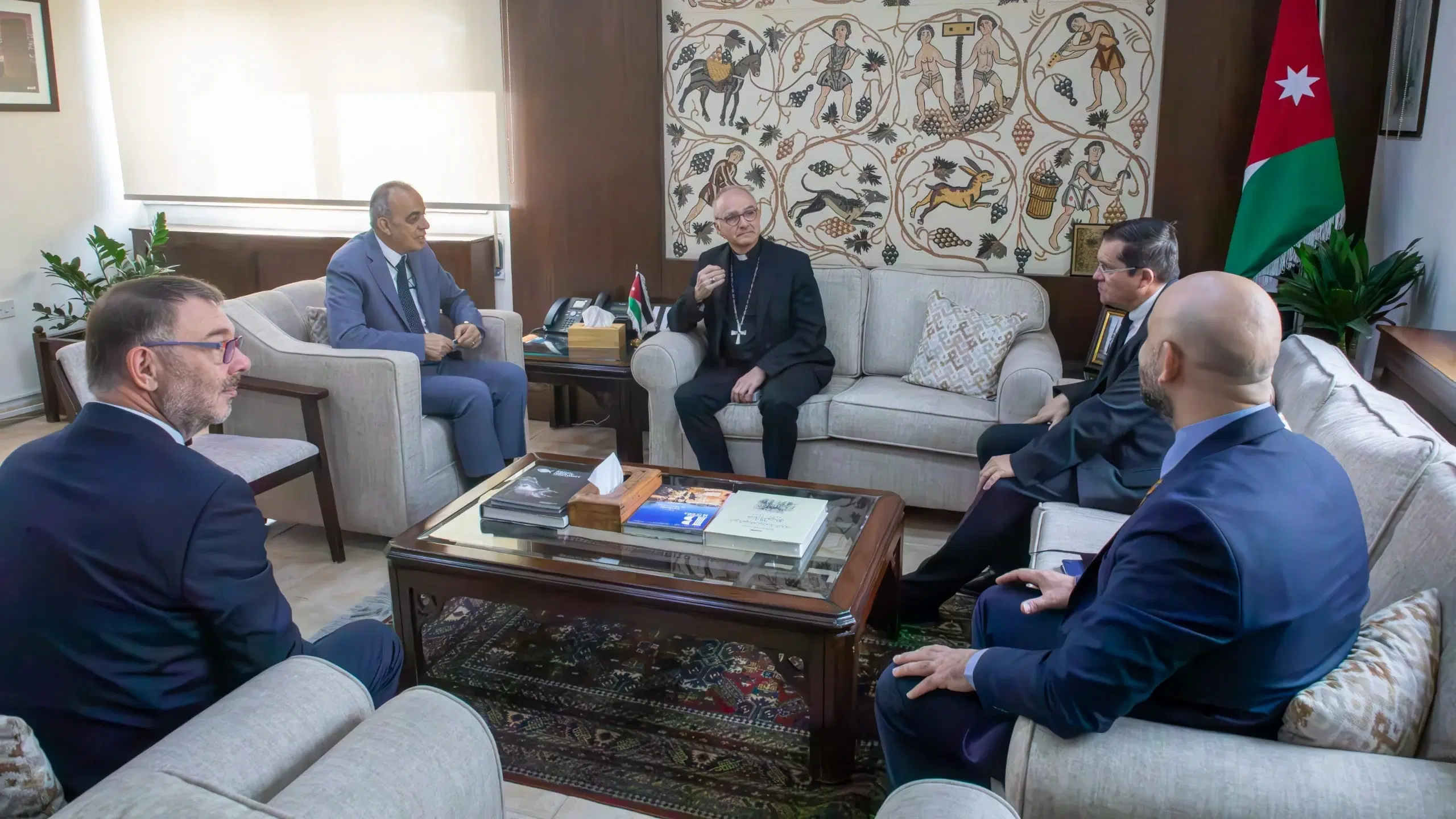
In an interview with "Alrai", the President of the Celiac Patients Care Charity Association, Abda Al-Qaisi, and the Association's Secretary and member of its Scientific Committee, Pharmacist Dr. Ola Khalil, confirmed that the patients' suffering is exacerbated by the high cost of food, delayed diagnosis, the risks of gluten contamination, and poor awareness of the nature of the disease.
Al-Qaisi explained that celiac patients are fighting a "daily battle" to secure their food, noting that the prices of gluten-free products reach three or four times those of regular products, while the price of a small loaf of bread is about a quarter of a dinar, and the price of gluten-free flour reaches three times that of subsidized flour.
She indicated that the association receives complaints from families unable to provide bread and flour for their children, especially families with more than one affected person, pointing out that the association's records include about 3,400 cases, with work underway to establish a national registry for the disease in cooperation with the Ministry of Health.
Al-Qaisi pointed to the provision of products at subsidized prices through the Military Consumer Corporation in a number of governorates, but difficulties in obtaining some items, including flour, still persist in some areas.
For her part, Khalil explained that celiac disease is an immune disease linked to the consumption of gluten found in wheat, barley, and rye, and is different from wheat allergy, confirming that its treatment consists of permanent adherence to a gluten-free diet.
She pointed out that the average delay in diagnosis is about six years, and may extend in some cases to twenty years, due to the diversity of symptoms and their similarity to other diseases, especially irritable bowel syndrome.
She added that the symptoms of the disease may include digestive disorders, anemia, vitamin deficiencies, and stunted growth in children, in addition to bone and reproductive problems, while intestinal damage may occur without clear symptoms appearing.
Khalil warned that failure to adhere to the diet may lead to malabsorption of nutrients and health complications, noting the importance of ruling out celiac disease in people who suffer from persistent iron deficiency despite treatment.
Al-Qaisi confirmed that the association has been demanding since its establishment in 2018 that gluten-free foods be considered therapeutic foods rather than special products, and that they be exempted from customs duties and taxes or have their prices subsidized.
She praised the intensification of the Jordan Food and Drug Administration's (JFDA) regulatory campaigns, which revealed cases of cross-contamination in some facilities, warning against products labeled "gluten-free" despite containing ingredients that may contradict this description.
She also called for providing the necessary tests in government hospitals in various governorates, expanding health services provided to patients, and enhancing the availability of suitable food in school canteens to reduce children's feelings of deprivation and social isolation.
Khalil also warned of cross-contamination resulting from the use of shared tools or production lines, confirming that food classified as gluten-free must not exceed a content of 20 parts per million.
She indicated that some medicines and supplements may contain ingredients derived from wheat, which requires verifying their composition and the source of the starch used in them, in cooperation with the pharmacist and the manufacturer.
She noted that providing safe food is not a luxury but a therapeutic right, requiring the concerted efforts of health and government institutions and the commercial sector, while Al-Qaisi emphasized that alleviating the financial burden is a shared responsibility that should not be borne by the patient alone.
Know more about this story?Send us a tip
Ask about this report — answers stay grounded in its text.