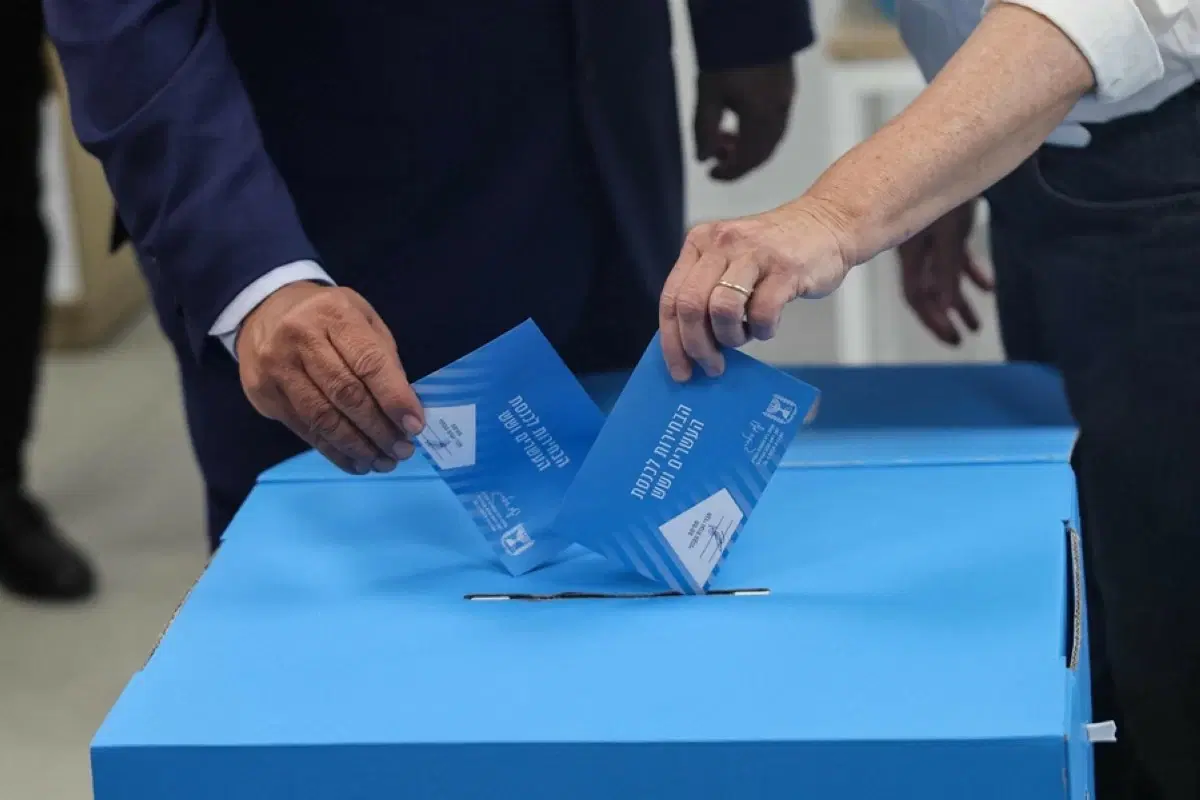
Democrats enter the final week of the US midterm election campaign hoping to wrest control of Congress, which could tip the scales of Donald Trump's presidency, at a time when Republicans find themselves forced to defend their seats in their traditional strongholds under the weight of anger over inflation and the Iran war.
Opinion polls reveal a significant lead for the Democrats, while Republican campaign committees have diverted millions of dollars to states that have long been considered part of the conservative camp, in a remarkable shift ahead of the anticipated vote on November 3.
The elections could bring about a radical shift in the final two years of Trump's term, lead to bitter disputes over the results, and redraw the political landscape before the next presidential contest in 2028.
A House of Representatives dominated by Democrats could obstruct Trump's legislative agenda and grant them subpoena power to investigate his administration, his family's financial transactions, and his handling of the Iran war.
If they regain control of the Senate, Democrats would be able to block the confirmation of Trump's judicial and cabinet nominees.
House Minority Leader Hakeem Jeffries told CNN, "We are on the verge of taking back the House."
He added, "I don't want to put a percentage on it, but I clearly believe that the probability of us doing that is very high."
The competition is for all 435 seats in the House of Representatives and 35 seats in the 100-member Senate, in addition to gubernatorial elections in 36 states. Democrats only need to flip three Republican seats in the House and four in the Senate to gain unilateral control of Congress.
The US war with Iran that broke out in February has led to a significant rise in fuel prices, exacerbating the pressure on voters who are already suffering from the repercussions of tariffs and inflation.
In parallel, Trump's approval ratings have fallen to levels rarely seen by any US president.
A Reuters/Ipsos poll last week showed this figure dropping to 31 percent, the lowest of his two terms, while a New York Times/Siena poll revealed that Democrats lead by 11 points among likely voters.
The electoral map paints an equally clear picture.
Republicans are fighting tight races for Senate seats in Kansas, Texas, Iowa, Ohio, and Alaska, all of which are states Trump won by a margin of more than 10 percent in 2024.
In a remarkable shift in priorities, the main group funding Republican Senate-related advertisements moved its resources from North Carolina to Kansas, which has not elected a Democratic senator since 1932.
Meanwhile, Democratic candidates have received significant funding in fundraising, although groups affiliated with Republicans have spent vast sums to defend their seats, aided by hundreds of millions of dollars poured in by billionaire Elon Musk.
The redistricting battle has also given Republicans an advantage in some House seats, while the rallies held by Trump aim to mobilize his loyal supporters, who often prefer to abstain from voting when his name is not on the ballot.
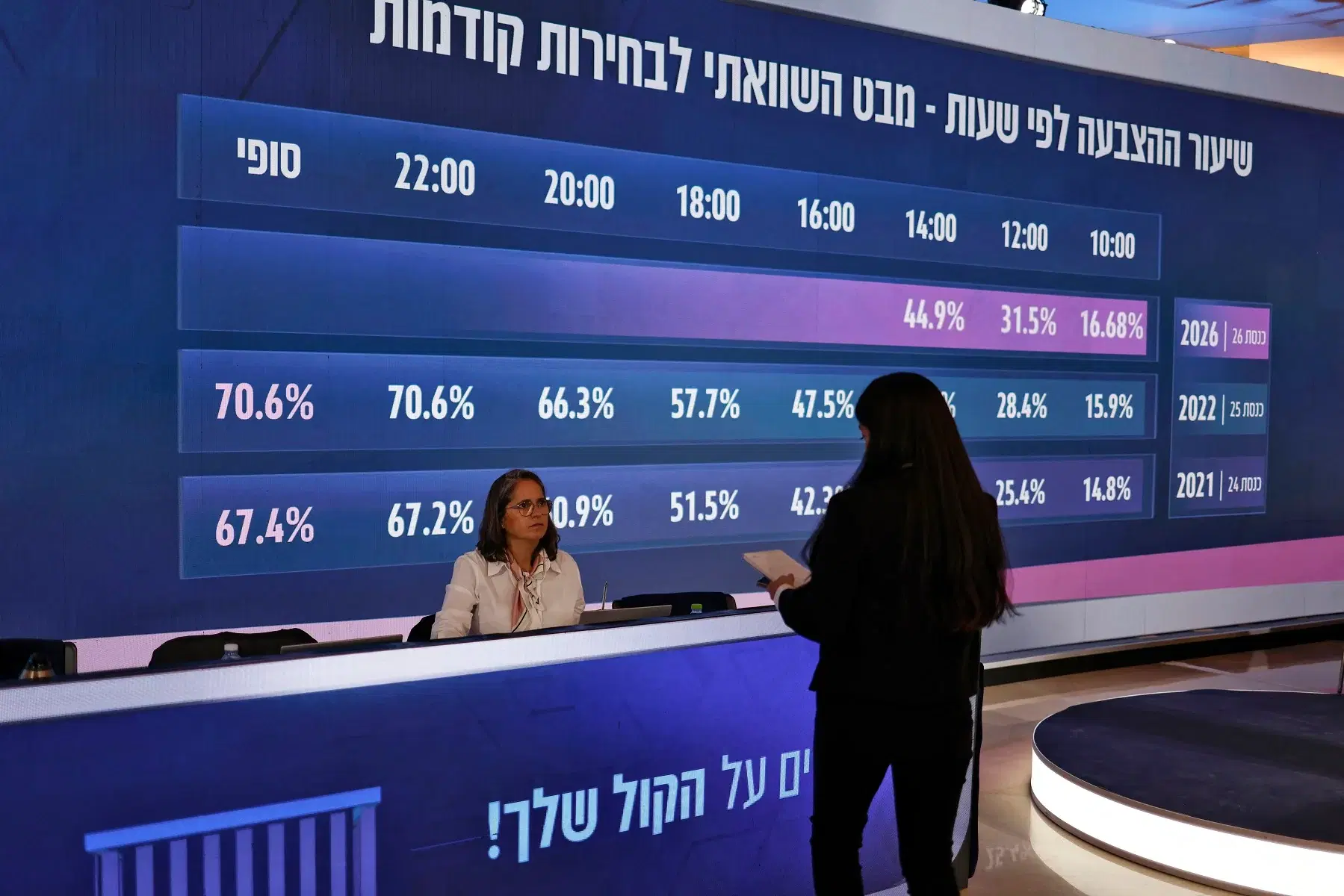
More than 23 million people had cast their votes via early voting by the end of the week, compared to about 15 million at this stage in 2022, amid a decline in regular Republican voter turnout compared to their Democratic counterparts in several states.
However, there are fears that the electoral battle will not end when the counting of votes concludes.
Trump's repeated and evidence-free claims of election fraud have prompted Democrats and voting rights organizations to prepare legal teams and observers to deal with any potential disputes or federal interference.
The administration states that federal election observers will comply with the law and has denied any plans to send troops or anti-immigration elements to polling stations.
Whatever the outcome, the vote will mark the beginning of a long political transition process toward 2028, noting that the Constitution prohibits Trump from seeking a new term.
It will also serve as an early test to see if the Republican movement he reshaped can survive and thrive after his presidency, as well as revealing the most prominent Democrats capable of challenging his potential successors, at a time when Vice President J.D. Vance appears to be the favorite so far to lead the party in the post-Trump era.
Republican House Speaker Mike Johnson told Fox News that his party will remain committed to the promises it made and has been fulfilling since 2024.
He stated, "Every voter should ask themselves a simple question: Which candidate is best for me, my family, my children, and my elderly parents?"
He added, "In every one of these cases, Republicans offer solutions based on reason and logic and a steady hand on the wheel, while Democrats are getting crazier by the day."