Expectation that the Eisenkot coalition will secure 52 seats
Electoral turnout reflects a state of sharp polarization in society
Follow Al Rai

Estimates of Netanyahu's camp losing its majority in the "Knesset"
Expectation that the Eisenkot coalition will secure 52 seats
Electoral turnout reflects a state of sharp polarization in society
Arab parties approach 18 parliamentary seats
Expectations that voter turnout will reach 80%
Lapid and Golan: The public has dismissed Netanyahu's government
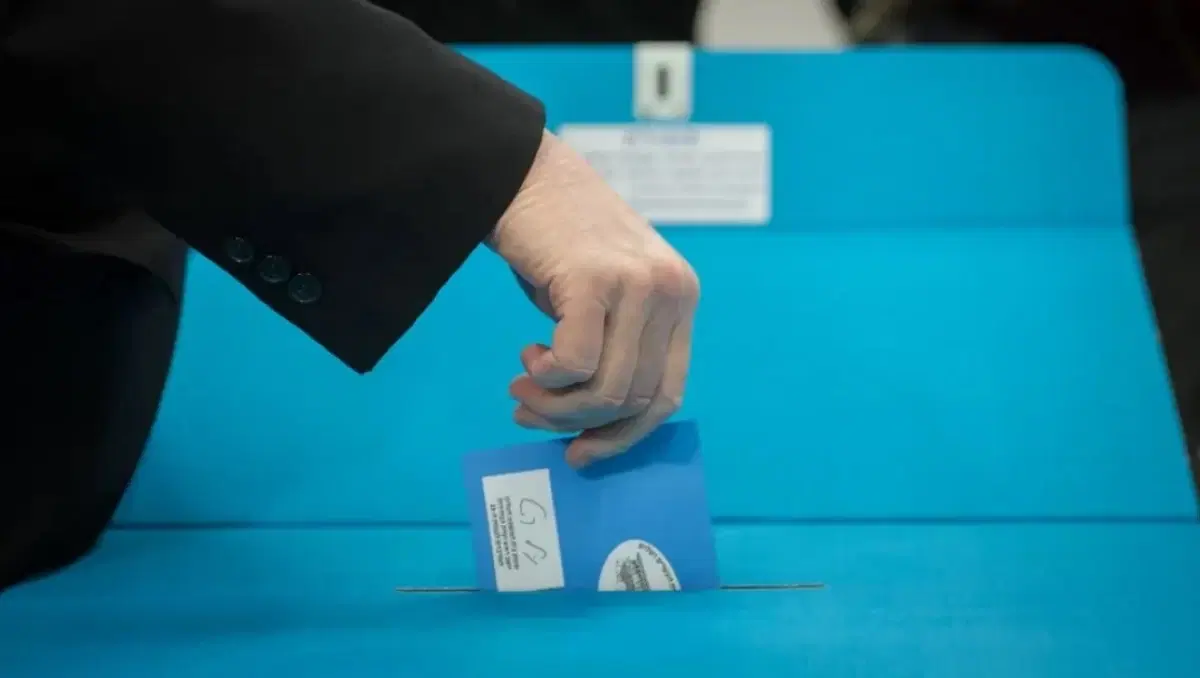
With the closing of polling stations in the 26th Knesset elections, Israel is heading toward a new phase of political deadlock, amid signs that Prime Minister Benjamin Netanyahu's camp has lost its parliamentary majority, without the opposition camp led by Gadi Eisenkot being able to clinch the battle to form a government. Initial exit polls showed a slight lead for the opposition coalition over Benjamin Netanyahu's coalition, but it remains far from the 61-seat majority threshold in parliament, portending long and arduous negotiations after the elections conclude.
According to the sample results from Israeli television channels 11, 12, and 13, the coalition led by centrist Gadi Eisenkot is receiving between 52 and 53 seats out of the 120 seats in the Knesset, while the outgoing Prime Minister's coalition is receiving 50 seats.
Initial polls also showed that Arab parties achieved significant progress after recording heavy voter turnout from their electoral base.
According to the sample results from major Israeli television channels, the two Arab lists together are receiving between 17 and 18 seats in the 120-member parliament, compared to ten seats in the previous 2022 elections.
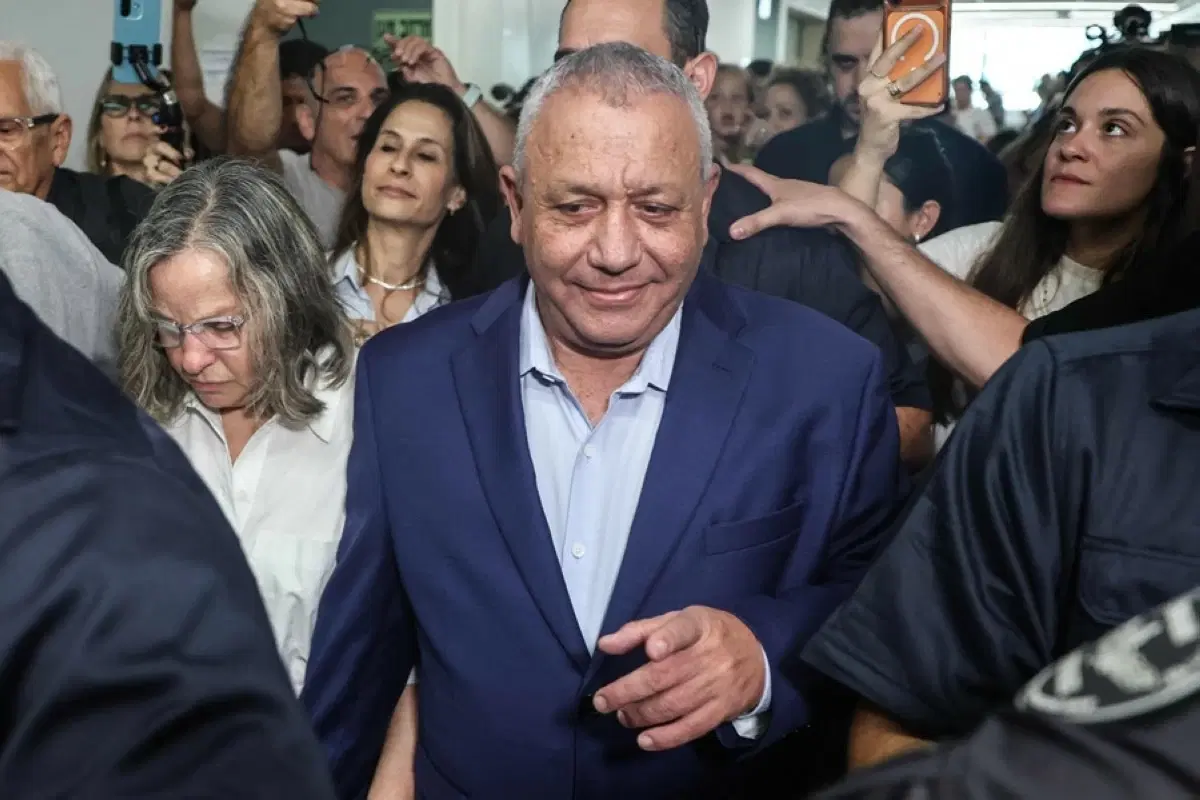
Eisenkot said, "The initial poll results indicate a complete lack of confidence in Netanyahu and the October 7th government."
For his part, opposition leader Yair Lapid said that Netanyahu's camp suffered a "crushing defeat," while leftist leader Yair Golan said that the public "has dismissed Netanyahu's government."
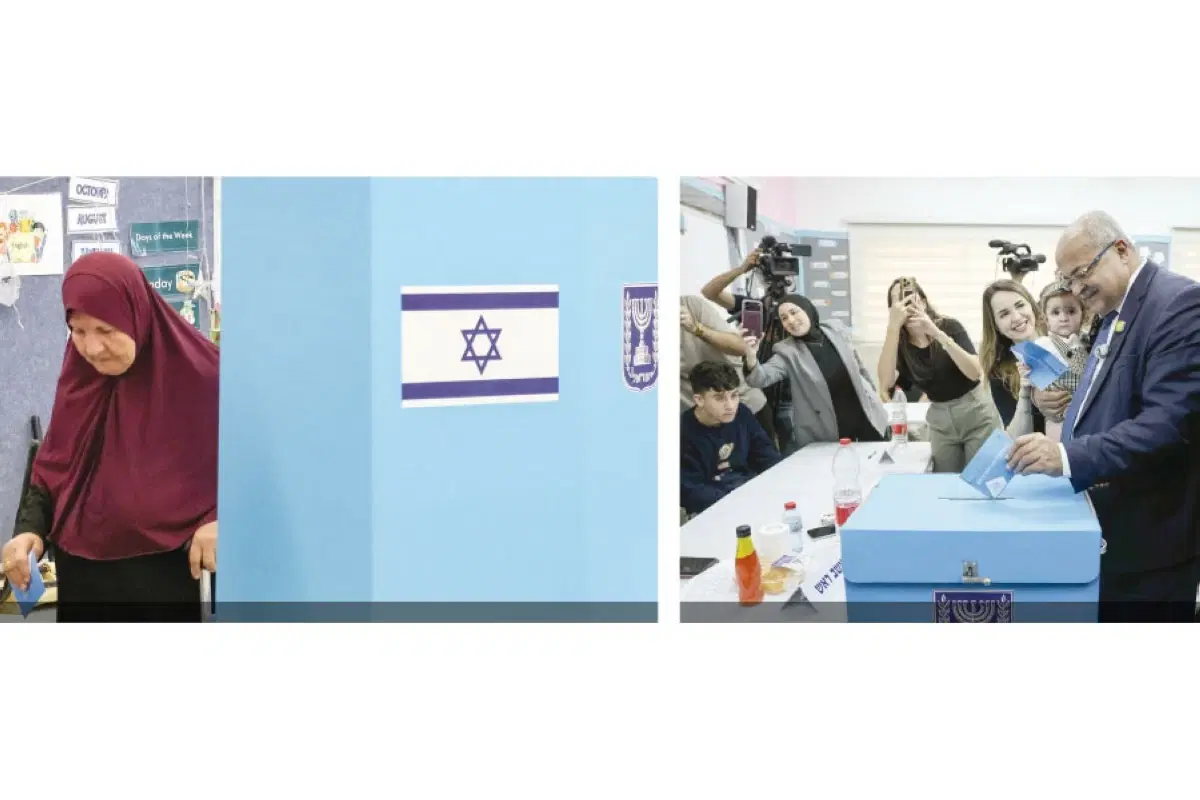
While the elections recorded an unprecedented rise in participation rates in decades, Arab parties emerged as an influential numerical force, but their ability to translate this progress into governmental influence clashes with the refusal of key opposition parties to cooperate with them.
If these figures are confirmed, it will mean a decline in Netanyahu's chances of forming a stable government, without granting his opponents an absolute majority that would allow them to easily form an alternative government.
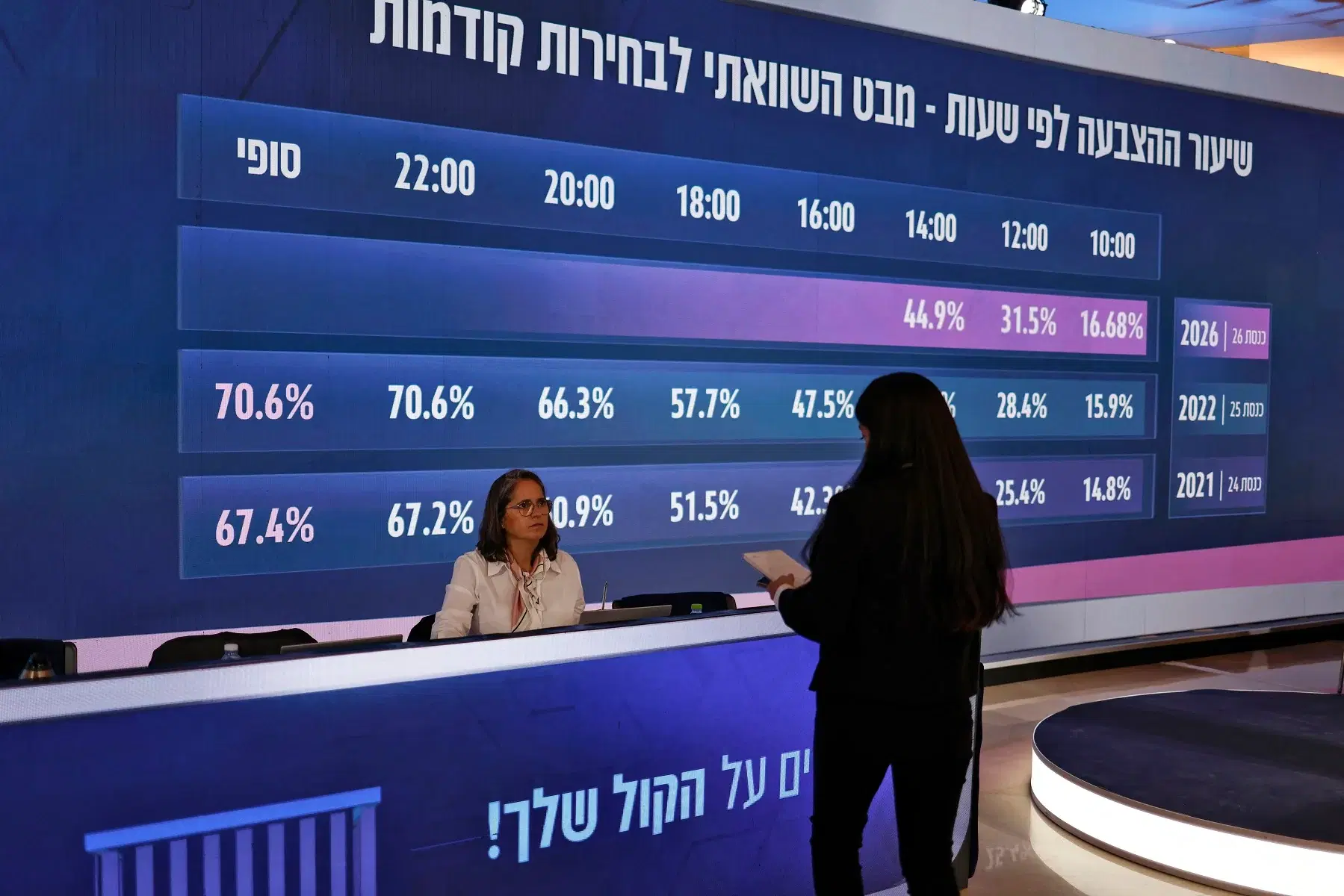
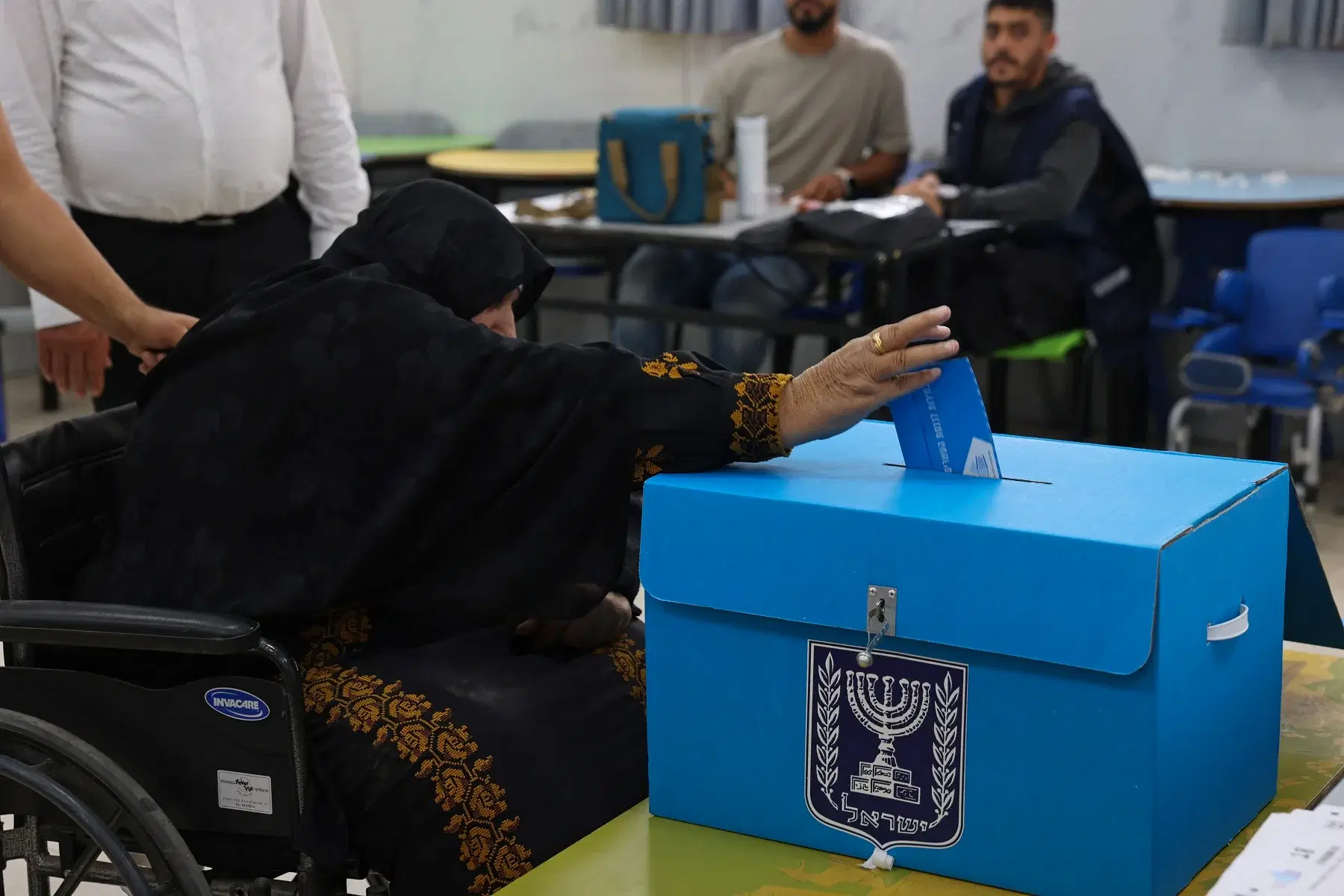
The elections witnessed a high turnout at polling stations, as the acting Director-General of the Israeli Central Elections Committee, lawyer Dean Livni, estimated that the participation rate would reach 80%, the highest in decades, according to Israel's Channel 14.
This rate compares to 70.6% in the 2022 elections, in which the number of voters reached about 4.8 million out of more than 6.7 million eligible voters.
The number of eligible voters in the current elections is about 7.33 million, meaning that reaching 80% participation will raise the number of voters to nearly 5.87 million, an increase of more than one million voters compared to the previous elections.
This turnout reflects the state of sharp polarization in Israeli society, but it is not enough on its own to determine which camp benefited most from the additional votes.
High participation would make competition more difficult for small parties, as the votes required to pass the electoral threshold, set at 3.25% of valid votes, could rise to about 190,000 votes, compared to about 154,900 votes in the 2022 elections. The number of votes needed to secure a seat could also rise to between 44,000 and 46,000 votes, according to estimates based on 80% participation.
Israeli analyst Shlomo Filber warned that the significant rise in voting could reduce the chances of small parties crossing the electoral threshold, noting that the participation rate in the Arab community exceeded 65%, compared to 53% in the last elections, while other estimates indicated it exceeded 69%.
This may strengthen the representation of Arab parties, in contrast to increasing the chances of large parties to benefit from the expanded voting base and surplus vote agreements.
Arab towns witnessed a notable turnout for voting, amid accusations by the Joint Arab List against right-wing activists of obstructing voting in a number of towns, and against the police of removing ballot boxes and closing polling stations in the Negev, under pressure from National Security Minister Itamar Ben-Gvir.
It was not possible to determine the impact of these events on the final results while counting procedures are ongoing.
In contrast, Netanyahu warned against the rise in Arab voting and made allegations regarding election fraud and attempts to steal them.
These statements may open the door to political questioning of the results if they contradict the aspirations of his camp, while it is not clear whether they will be translated into practical steps to challenge the integrity of the electoral process.
Although Likud may remain the largest single party in the Knesset, its lead in the number of seats does not necessarily mean that Netanyahu's camp possesses the majority needed to form a government.
Netanyahu may seek to leverage any progress for his party to demand being tasked with forming the government, but this card will remain tied to his ability to rally his allies around a parliamentary majority.
As for Eisenkot, who led the polls for weeks, he in turn faces the dilemma of forming a coalition capable of crossing the 61-seat barrier. The expected numerical lead for the opposition camp does not resolve its internal disputes, particularly regarding the nature of the next government, the identity of its head, and the possibility of relying on the support of Arab parties from outside or inside the coalition.
Arab parties, according to estimates, appear to be among the biggest numerical winners, with the possibility of their representation rising to 16 or 17 seats. However, this weight clashes with the refusal of key forces in the opposition, including Avigdor Lieberman and other parties, to rely on their support to form a government, even through providing a parliamentary safety net. While the head of the United Arab List, Mansour Abbas, expresses readiness to discuss participating in the government, the positions of Jewish parties opposed to Netanyahu remain a primary constraint on coalition formation options.
Obstacles are not limited to the relationship with Arab parties, but extend to the competition between the leaders of the opposition camp themselves.
The absence of an absolute majority for Eisenkot may push both Naftali Bennett and Lieberman to demand a greater role in the government, or to reach agreements regarding the rotation of the premiership and the distribution of portfolios, which could prolong negotiations and increase the chances of them stalling.
The final results remain subject to the completion of the vote count, including the double-envelope ballots for soldiers, diplomats, displaced persons, and people with disabilities, which may affect the distribution of seats and the fate of lists close to the threshold. Therefore, the circulated figures remain initial estimates that cannot be treated as a final result before the official results are announced.
Based on this data, the closing of polling stations does not mean the end of the political crisis, but may be the beginning of a new round of bargaining and struggle over forming the government.
Netanyahu may lose the majority without losing the chances of returning to power, and Eisenkot may advance without having a clear path to the premiership, while Arab representation rises without a guarantee of it turning into actual governmental influence.
Scenarios remain open between forming a minority government based on support from outside the coalition, reaching a unity government that includes parties from opposing camps, or the stalling of negotiations and heading to new elections.
In any case, initial estimates indicate that Israel emerged from election day without a clear resolution, and that the high participation and expanded parliamentary representation did not end the division, but may open the door to a new phase of political instability.
Know more about this story?Send us a tip
Ask about this report — answers stay grounded in its text.