Gaza's children.. A battle with diabetes without insulin or safety
Anadolu7 min read
Share
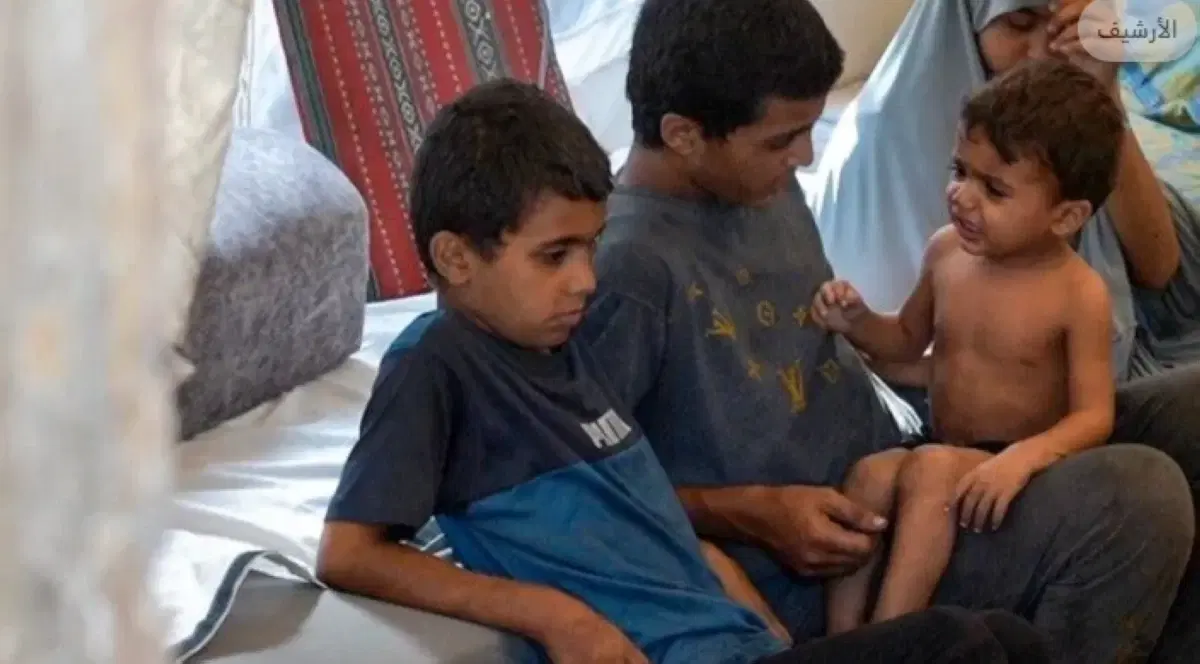
Palestinian child Ghina Al-Dada is fighting a daily battle with diabetes, which is no longer limited to controlling her blood sugar levels, but has extended to searching for treatment amidst a shortage of insulin and medical supplies in the Gaza Strip, in light of Israeli restrictions on the entry of supplies and the damage to the health system due to the war.
From inside the Nasser Medical Complex in the city of Khan Yunis in the southern Gaza Strip, her mother, Zainab Al-Dada, recounts to Anadolu Agency the suffering of her daughter, who was diagnosed with diabetes about 4 years ago, on the sidelines of a solidarity stand with children suffering from the disease to demand the provision of treatment.
The mother says that she constantly monitors her daughter's blood sugar levels and tries to adhere to the necessary insulin doses, but her condition does not stabilize, as her sugar level sometimes reaches 500, according to her.
She explains that Ghina needs more than 24 insulin doses daily, noting that she has begun to suffer from problems in her eyes, legs, and abdomen, in addition to a decline in her ability to move, go to school, and play with her peers.
Zainab stated that her daughter's suffering is increasing due to her having another disease that requires a gluten-free diet, the requirements of which are difficult to provide in light of the difficult living conditions the Strip is witnessing.
Faced with her fears of her daughter's condition deteriorating, Al-Dada appeals to international bodies to intervene to provide insulin and the necessary medicines for children with diabetes, or to provide them with the opportunity to receive treatment outside Gaza.
She warns with deep sadness that "the continued shortage of treatment threatens the health of sick children and doubles the fears of their families for their lives."
Expired insulin
Like Ghina, Palestinian child Zaid Abu Samra faces daily difficulties in obtaining the medicines and necessary supplies to live with diabetes, which he has had since he was three years old.
His mother tells Anadolu Agency that her son's basic needs, including insulin, blood sugar test strips, and injection needles, have become difficult to obtain in light of the continued shortage of medical supplies in the Strip.
She says that the family is forced to use the same needle many times over the course of a week, due to the lack of sufficient alternatives.
While trying to hold back her tears, the mother points to the appearance of blue marks and fibrosis on her child's hands, abdomen, and legs, amidst the difficulty of providing the medical supplies he needs.
She adds that the family is sometimes forced to use expired insulin, in light of the high prices of available treatment and the difficulty of obtaining it.
Zaid's mother asks for nothing but the provision of necessary treatment for her son, calling on international, humanitarian, and health institutions to intervene urgently to help children with diabetes obtain their medical needs, according to her.
Life-threatening complications
The repercussions of the insulin shortage do not stop at the families' suffering in searching for treatment, but extend to hospitals that receive patients suffering from complications as a result of the difficulty in regulating blood sugar levels.
The head of the pediatric department at the Nasser Medical Complex, Dr. Ahmed Al-Farra, warns of the risks facing diabetics in Gaza, with the continued shortage of medicines and supplies necessary to monitor their health condition.
Al-Farra tells Anadolu Agency that children and adults with diabetes have been suffering for about 3 years from a shortage of insulin, injection pens, blood sugar test strips, sensors, and other medical supplies.
He explains that affected children need regular treatment to avoid complications that may affect the retina, nerves, and limbs, warning that the interruption of medicines makes it difficult to control the disease and puts their lives at risk.
He points out that the Nasser Medical Complex receives cases suffering from serious complications, including "diabetic ketoacidosis," which threatens the patient's life, explaining that some cases required intensive care as a result of fluctuating sugar levels.
Al-Farra points to some patients being forced to use expired insulin pens due to the lack of alternatives, questioning the justifications that prevent the entry of necessary medical supplies into the Strip.
He confirms that insulin is not a medicine that can be dispensed with or delayed for patients who rely on it, but rather a daily necessity for their continued survival, demanding the provision of the necessary medical supplies.
Demands to save children
Faced with the continued shortage of treatment, families and medical institutions organized a solidarity stand at the Nasser Medical Complex in the city of Khan Yunis, to demand urgent international intervention to ensure the entry of insulin and medical supplies on a regular basis.
The participants warned that the continued shortage of medicines leads to the exacerbation of health complications in children with diabetes, who need continuous care and treatment.
These demands coincide with the continued restrictions on the movement of patients and the wounded through the crossings, which limits the opportunities for those in need to receive treatment outside the Strip.
On Thursday morning, the Ministry of Health in the Gaza Strip said that Israel continues to close the Rafah land crossing for the second week, preventing the evacuation of patients and the wounded for treatment abroad, which has led to a "dangerous accumulation" of critical cases.
On February 2, 2026, Israel reopened the crossing on a limited basis and allowed a small number of patients and the wounded to leave, amidst strict restrictions.
Patients and the wounded complain of strict procedures at the crossing, including thorough searches and hours of interrogation by Israeli forces.
Since the ceasefire agreement came into effect on October 10, 2025, more than 1,344 patients and wounded have died while waiting for treatment, according to data from the Ministry of Health in Gaza.
An exhausted health system
The suffering of children with diabetes comes in light of widespread damage to the health sector in Gaza due to the Israeli war, amidst continued restrictions on the arrival of medicines and medical supplies.
On September 24, the World Health Organization warned of the continued acute shortage of essential medicines, diagnostic supplies, medical equipment, and fuel in the Gaza Strip, confirming that the health system continues to face severe pressure in light of the restrictions imposed on the arrival of humanitarian aid.
The International Diabetes Federation had previously warned on August 4 that severe restrictions on the access of insulin and medical supplies to the Gaza Strip, along with damage to infrastructure, disruption of cold chains, and delays in humanitarian shipments, increase the risks of diabetics, especially children and adolescents, being exposed to serious complications that could lead to death.
According to data from the Ministry of Health in October 2025, the Israeli war put 25 out of 38 hospitals out of service, while 13 hospitals remained partially operational and in difficult conditions.
During the war, the Israeli army also destroyed 103 primary healthcare centers out of 157, while the remaining 54 centers continued to operate partially.
In light of these conditions, the families of children with diabetes continue to demand the provision of insulin and necessary supplies, fearing that the continued shortage of treatment will lead to life-threatening complications for their children.