3 years of aggression.. The health system in Gaza is struggling to survive
Amman8 min read
Share
Three years of war and aggression have left the health system in the Gaza Strip facing a daily battle for survival; hospitals destroyed or partially operational, a severe shortage of medicines and supplies, a significant decline in the number of doctors and health personnel, and diagnostic devices, most of which are out of service, while thousands of patients are waiting to be evacuated to complete their treatment outside the sector.
While war-related injuries still require long and complex care, cancer, kidney failure, heart, and chronic disease patients face increasing difficulty in obtaining treatment, amid limited medical services and damaged health infrastructure.
For the injured Abdullah Abu Subeih, the war did not end with the cessation of bombing; he was injured in the spinal cord, resulting in complete paralysis that deprived him of the ability to move and take care of himself, in addition to severe ulcers, muscle atrophy, and continuous pain.
Abu Subeih says he needs complex spinal cord and limb surgeries, demanding that his evacuation for treatment abroad be facilitated, after hospitals and doctors in Gaza have exhausted what they can offer.
As for Muhammad Al-Astl, who suffers from kidney failure, he undergoes dialysis three times a week, and says that the shortage of medicines and supplies for dialysis, along with the difficulty of reaching the hospital and high transportation costs, makes the treatment journey more severe.
Omar Abdullah, who suffers from diabetes and high blood pressure, travels between health centers in search of medicines, as the complete treatment is not available in one center, while warning that the interruption of medicines leads to instability in his health condition and the potential serious complications that may result.
Heart patients also face difficulty in obtaining examinations and treatment; as Yousef Abu Arafa says that procedures such as echocardiography and CT scans may take weeks due to the lack of devices and severe congestion.
As for Fatima Abu Yusuf, a cancer patient, she says that the shortage of chemotherapy drugs, painkillers, and supportive medicines increases her suffering, at a time when cancer patients need regular and specialized treatment.
The director of Al-Tahrir Hospital in the Nasser Medical Complex, Dr. Ahmed Al-Fara, told 'Wafa' that the current indicators reflect a serious erosion in the health system's ability to provide services.
He points out that only 22 hospitals are operating in the sector out of 38 before the war, including five government hospitals and 17 private hospitals, with limited capabilities, while the clinical capacity has declined to about 2,637 beds, compared to about 3,950 beds before the war, excluding the beds of field hospitals.
He adds that 62% of medical diagnostic imaging devices are out of service, and there is no longer any MRI device in the sector out of nine, nor any endoscopic device out of eight, in addition to the shutdown of four stone-breaking devices, with a severe shortage of CT scanners.
The number of health personnel has also declined, as the sector has lost about 19.2% of workers, while the number of doctors has decreased by 34.6%, leaving only about 1,363 doctors, according to Al-Fara.
He points out that some specialties are on the verge of collapse, after 296 doctors left the sector, as the number of hematologists decreased from five to two, cardiac surgeons from four to two, intensive care doctors from four to two, and obstetricians and gynecologists from 70 to 29 doctors.
Al-Fara says that 44% of essential life-saving medicines have a zero balance, while the deficit in medical supplies is 44%, and the average drug deficit is 48%, with a severe shortage of anesthesia supplies, insulin, solutions, and chemotherapy drugs.
He adds that open-heart surgery, organ transplantation, and radiation therapy services are suspended, while eye surgeries and catheterization suffer from a significant shortage of supplies.
The issue of medical evacuation remains one of the most pressing files; as Al-Fara points out that 2,027 patients died while waiting for approval to travel, while about 21,000 patients still need evacuation to complete their treatment abroad, including 5,803 children and about 2,800 cancer patients.
He confirms that the northern governorates of the sector and Rafah lack adequate health care, and that the system critically depends on eight field hospitals managed by international agencies.
With the arrival of Breast Cancer Awareness Month, the director of the Gaza Cancer Center, Dr. Mohamed Abu Nada, tells 'Wafa' that cancer patients face a severe shortage of diagnostic devices, medicines, supplies, and essential treatments.
He points to the limited early detection devices, the lack of breast imaging devices 'mammogram' and laboratory supplies, in addition to the shortage of chemotherapy drugs, hormonal and targeted treatments, and painkillers, and the difficulty of patients leaving the sector to receive radiation therapy and specialized surgeries.
According to Abu Nada, Gaza used to record about 360 cancer cases annually before the war, while about 250 cases were recorded in 2024 and 260 cases in 2025, confirming that the figures do not necessarily reflect the actual number of new cases due to the decline in diagnostic services, displacement, and instability.
The crisis is not limited to those injured in the war; chronic disease patients, children, and pregnant women face increasing risks.
Al-Fara points out that about 30% of pregnant women are in critical conditions, and 40% of cesarean sections are performed as emergency interventions, while neonatal incubators have decreased from 162 to 122 incubators, amid growing needs.
According to his data, there are about 84,000 diabetic patients, including 2,432 who depend on insulin, in addition to an increase in the number of patients with high blood pressure.
At the same time, the risks of malnutrition and infectious diseases have worsened due to overcrowding and deteriorating water and sanitation services, while the number of children admitted to hospitals due to complex malnutrition has increased.
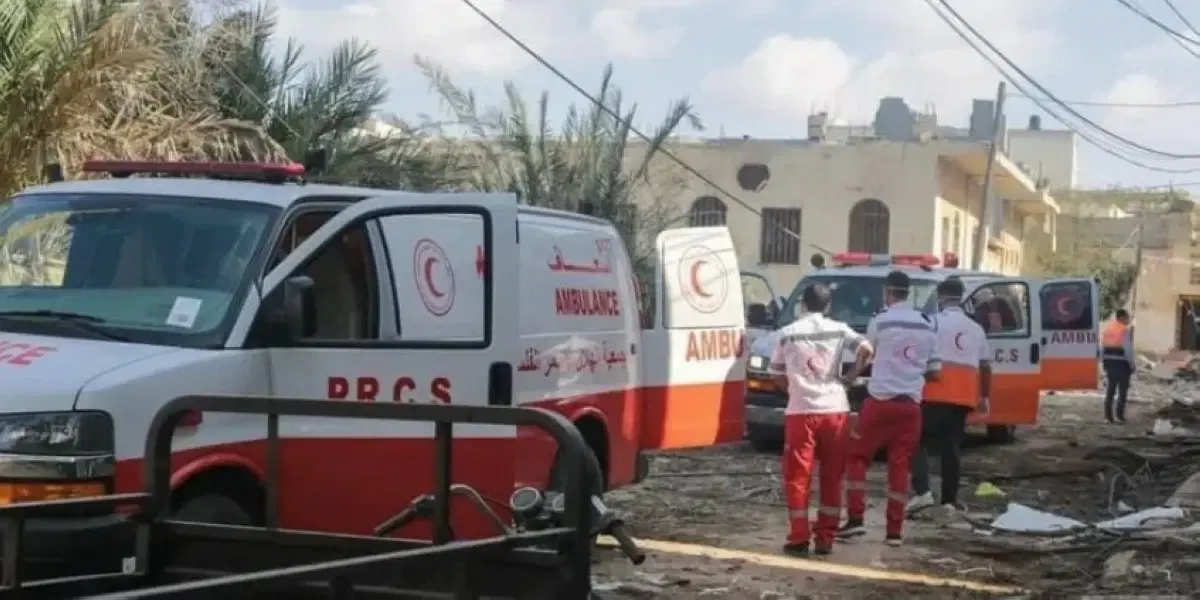
The spokesperson for the Palestinian Red Crescent Society, Raed Al-Nams, tells 'Wafa' that the health sector continues to face major challenges after three years of war, amid the damage to health facilities and the shortage of medicines, supplies, and the growing needs of the population.
He warns of worsening conditions with the approach of winter, especially among the displaced who live in difficult conditions, affirming the continued provision of emergency and health care services and humanitarian aid by the Red Crescent teams within the available capabilities.
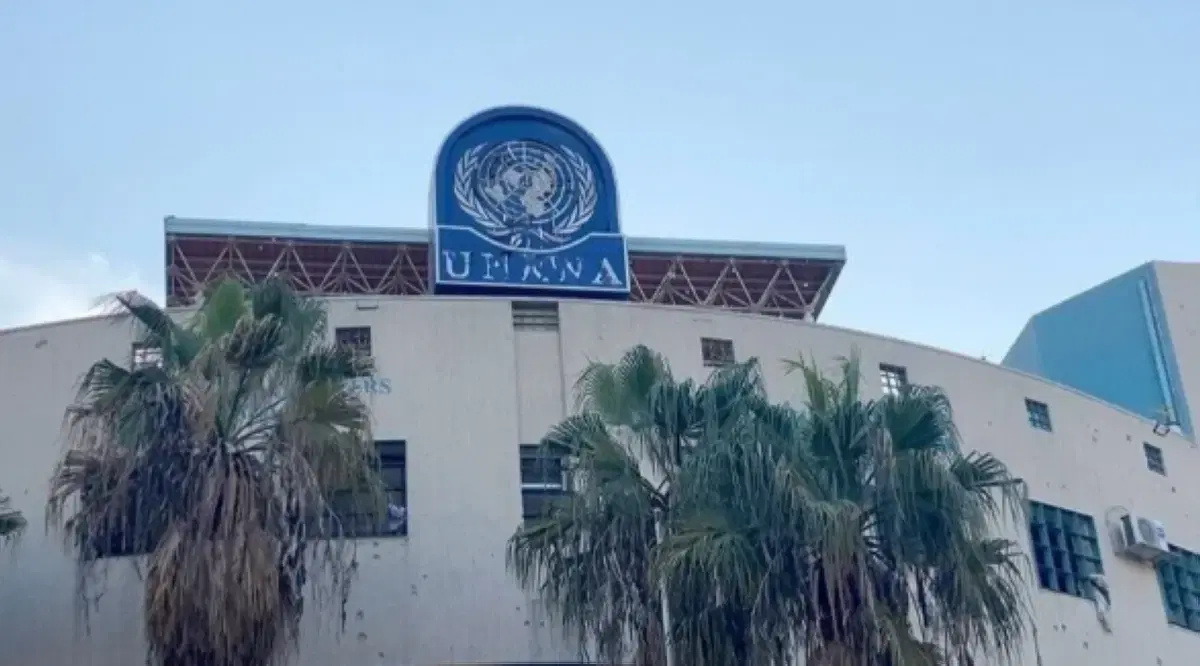
The World Health Organization confirmed that the Gaza Strip suffers from a severe shortage of medicines and medical equipment, and that there is no hospital fully operational, while several hospitals operate only partially.
It pointed out that the war left a large number of serious injuries, including amputations and injuries to the limbs and nervous system, which require specialized surgeries and long-term rehabilitation, while the sector's ability to provide prosthetics and rehabilitation services is extremely limited.
According to the organization, since October 2023, about 12,400 patients have been evacuated for treatment outside the sector, but tens of thousands still need specialized care not available in Gaza.
Kidney failure patients are among the most vulnerable groups, as about 700 patients need dialysis sessions three times a week, while the shortage of some supplies has reduced the ability of some dialysis centers to provide the service.
Cancer treatment services, chronic diseases, maternal and child health, and newborns have also been affected, in addition to heart, kidney, infectious diseases, emergency, and ambulance services, due to the shortage of medicines, equipment, personnel, energy, and spare parts.
In light of this reality, Al-Fara calls for opening the crossings and ensuring the unconditional flow of medicines and medical supplies, lifting the restrictions on medical evacuation, and allowing the entry of specialized medical delegations and international teams to compensate for the severe shortage of personnel.
He also emphasizes the need to rehabilitate the destroyed hospitals and restore clinical capacity, and to ensure the entry of fuel and spare parts necessary for operating medical devices and facilities.
After three years of war, the health system in Gaza is no longer facing a temporary crisis, but the danger of losing its ability to perform its basic functions; and in return, the number of patients who cannot afford to wait is increasing, between an injured person who needs an operation, a cancer patient waiting for his dose, a kidney patient fearing the interruption of dialysis session, a child needing an incubator, and a patient waiting for a permit that may come too late.