According to the statement, the minister pointed out that rebuilding 'is not limited to repairing buildings and equipment, but also requires restoring the health system's ability to provide its essential services sustainably.'
He stressed the importance of enhancing primary health care, emergency services, rehabilitation, and mental health, to preserve the right of the Palestinian people to medical treatment and health care.
During his intervention on the Palestinian health sector's vision for the next phase, Abu Ramadan reviewed the priorities for recovery and reconstruction, which include rehabilitating damaged health facilities, restoring essential medical services, providing medicines and supplies, and supporting health personnel, alongside developing sustainable funding pathways for the health sector.
The dialogue brought together representatives of the World Health Organization, international partners, and UN agencies, and discussed the results of assessments related to the health damages and needs in Gaza, and ways to align the urgent humanitarian response with the requirements of early recovery and long-term reconstruction, according to the Ministry.
Abu Ramadan stressed the need for the recovery and reconstruction process to be led and owned by Palestinians, in partnership with the World Health Organization and relevant international parties, in line with the priorities of the Ministry of Health and the recovery and health development plan in Gaza.
The Ministry of Health indicated that the minister's participation in the dialogue came ahead of the launch of the virtual week of the 73rd session of the WHO Regional Committee for the Eastern Mediterranean.
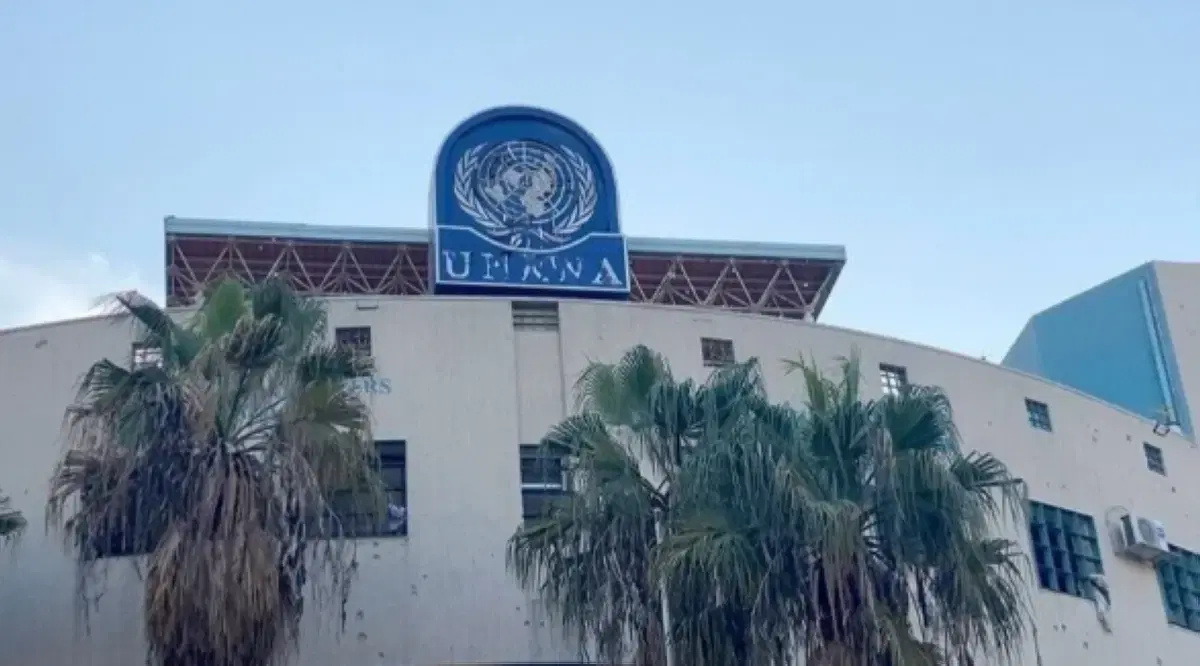
On September 14, the Director General of the Ministry of Health in the Gaza Strip, Munir Al-Barsh, announced that the World Health Organization decided to stop supplying diesel to more than 20 hospitals and health centers starting from September 19 due to funding shortages.
The World Health Organization did not comment on the decision reported by the Ministry of Health, but it announced in recent months a decrease in funding for its activities and programs.
Al-Barsh's announcement coincided with a crisis of shortages of oil and spare parts for generators that power hospitals, causing the shutdown of several of them.
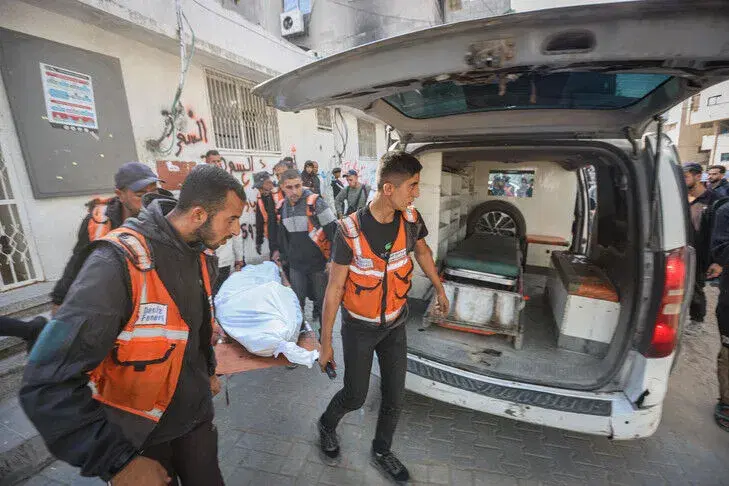
Hospitals operating in the Gaza Strip announced in recent days a reduction in their services due to operational crises resulting from fuel and maintenance shortages due to the Israeli blockade.
The Government Media Office in Gaza repeatedly confirmed that Israel is reneging on the commitments of the ceasefire agreement in effect since October 10, 2025, by allowing the entry of the agreed quantities of aid and fuel.