Fuel shortage takes Gaza's only radiology center out of service
Agencies5 min read
Share
The Kuwait Radiology Diagnostic Center in Deir al-Balah city, central Gaza, went out of service after the fuel needed to operate its generators ran out, leading to the shutdown of the region's only CT scanner and disruption of other medical imaging services.
Center Director Abdul Rahman Al-Nakhla told Anadolu Agency that 'the fuel shortage led to the CT scanner being shut down and the center's complete services being out of operation'.
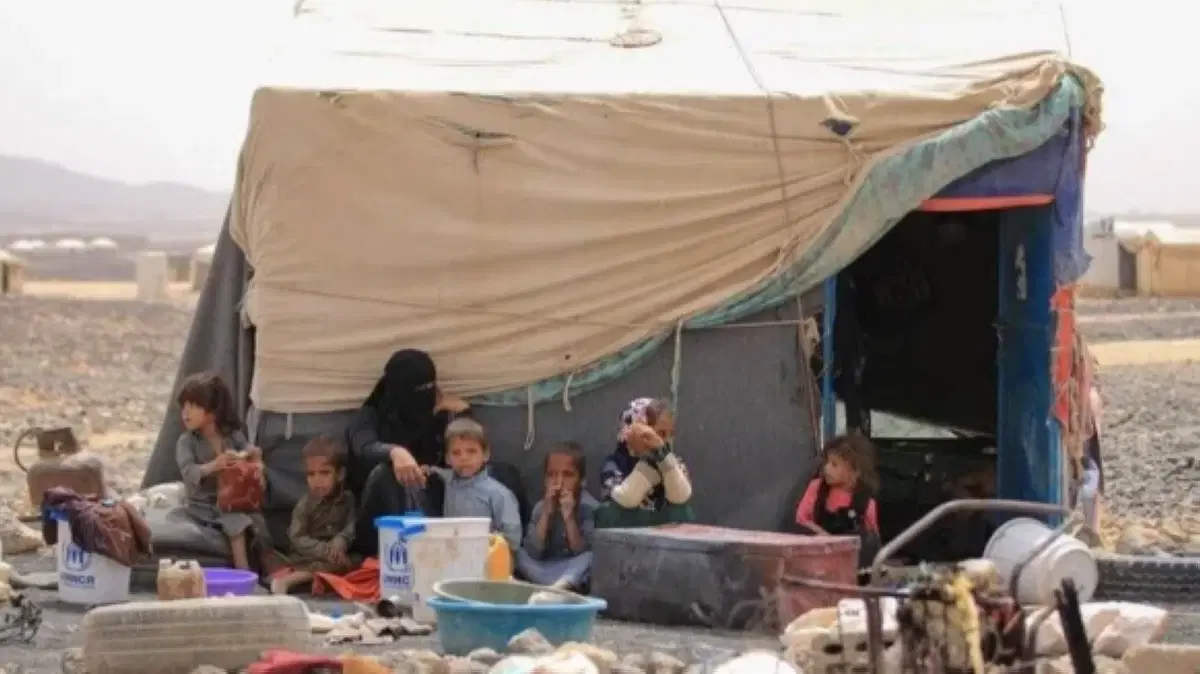
In the past few days, many hospitals and medical centers in the Gaza Strip have announced a reduction in their services due to operational crises caused by fuel shortages and maintenance supplies due to the Israeli siege.
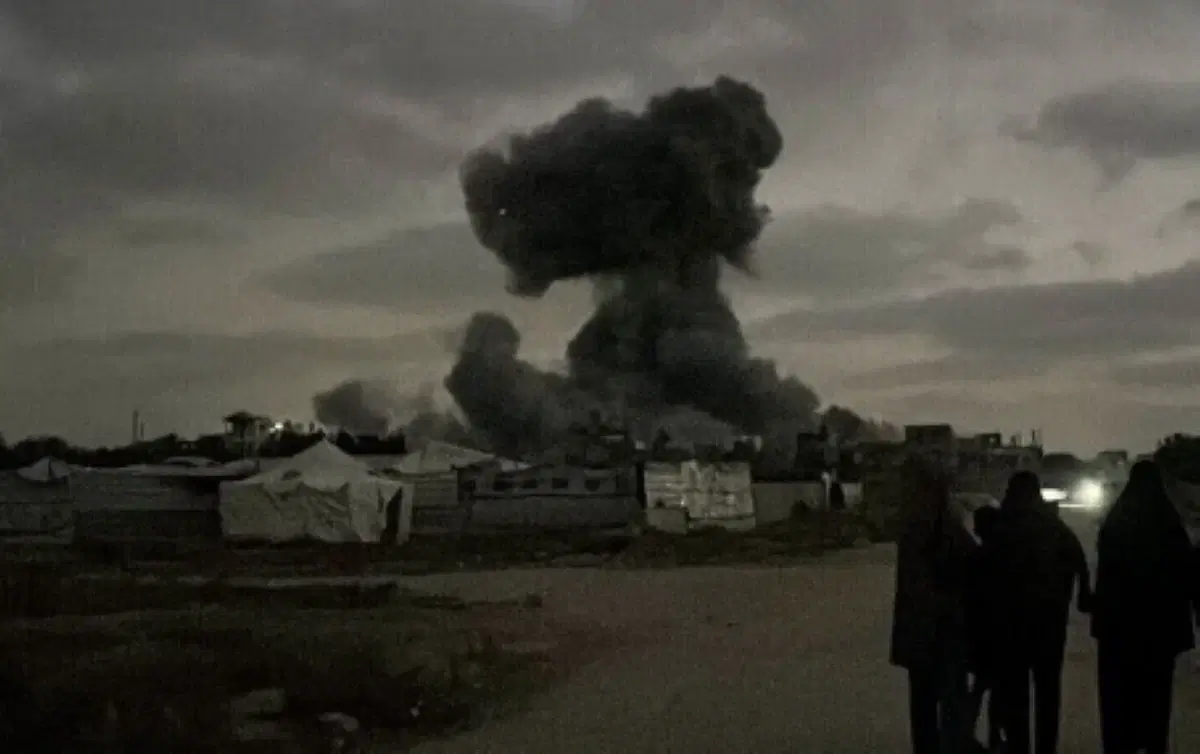
This comes as a result of the repercussions of the Israeli war on the Gaza Strip since October 8, 2023, and the severe siege and widespread targeting of the infrastructure and health system in the sector.
Al-Nakhla explained that the shutdown of the device directly affects emergency cases and the injured, noting the impossibility of performing the necessary imaging for patients who need urgent diagnosis or medical follow-up.
He added that imaging services for cancer patients, who need periodic examinations as part of their treatment plans, have also stopped, along with follow-up examinations for surgical operations and cases of cartilage and tumors.
Al-Nakhla pointed out that other imaging services at the center have also stopped, including X-rays, mammography, dental panoramic images, and ultrasound, due to the fuel shortage and the cessation of its supply from donor agencies.
He said that the CT scanner at the center also receives follow-up cases from outpatient clinics across the Gaza Strip, making its shutdown affect a large number of patients.
He warned that the continuation of the crisis 'in a few days and times' will put patients in the central province in front of a big problem, calling for the provision of the necessary fuel to operate the generators and continue medical services.
For his part, Kuwait Center maintenance technician Khamis Yahya said that the crews are trying to take advantage of the remaining amount of fuel to operate the generators for a short period.
Yahya explained to Anadolu Agency that the remaining amount is estimated at about 20 to 30 liters, but it is contaminated with sediment, prompting the crews to try to filter it before using it to operate the generators.
He added that the available amount will only be able to operate the generators for a period ranging between one and two hours, with the aim of providing basic services to patients during this period.
According to Yahya, the crisis is not limited to fuel, but also includes a shortage of generator oils and spare parts, as well as spare parts for medical devices.
He explained that the continued shortage of these supplies threatens the ability of health facilities to operate generators and medical devices, given their reliance on generators to provide electricity.
Health facilities in the Gaza Strip depend on electric generators to operate vital sections and medical devices, in the absence of regular supplies from the electricity network.
Al-Nakhla said that the generator crisis is no longer related to fuel only, but also includes maintenance, spare parts, and oils, pointing to technical problems with the CT scanner itself, and the inability to insert some maintenance boards and spare parts needed to repair medical devices, according to him.
He added that the continued shortage of fuel and spare parts puts medical services at risk of shutting down, at a time when patients in the central sector depend on the center to perform diagnostic tests and various medical follow-ups.
He called for the provision of sufficient quantities of fuel, oils, and spare parts to ensure the continued operation of generators and medical devices, and to prevent the fuel crisis from becoming an additional obstacle to the diagnosis and treatment of patients.
On September 14, the Director General of the Ministry of Health in the Gaza Strip, Munir Al-Barsh, announced that the World Health Organization decided to stop diesel supplies to more than 20 hospitals and health centers starting from September 19 due to funding shortages.
The World Health Organization did not comment on the decision reported by the Ministry of Health, but it announced in recent months a decrease in funding for its activities and programs.
Al-Barsh confirmed that the limited quantities of fuel reaching the sector 'barely keep health facilities operational'.
Al-Barsh's announcement coincided with the crisis of a shortage of generator oils and spare parts operating hospitals, which caused the shutdown of a number of them.
Repeatedly, the Government Media Office in Gaza confirmed that Israel is renouncing its obligations under the ceasefire agreement in effect since October 10, 2025, to allow the entry of the agreed quantities of aid and fuel.
Since October 8, 2023, the Israeli war on the Gaza Strip has been ongoing, leaving more than 74,000 Palestinians dead and over 175,000 injured, and destroying about 90 percent of the infrastructure.