Bodies of 13 martyrs recovered in various areas of the Strip
Escalation in the West Bank.. and incursions into Al-Aqsa continue
Follow Al Rai

Electric generators go out of service
Bodies of 13 martyrs recovered in various areas of the Strip
Escalation in the West Bank.. and incursions into Al-Aqsa continue
Deterioration of health and humanitarian conditions for prisoners in Ofer prison
The Ministry of Health in the Gaza Strip warned of more electric generators in hospitals in the sector going out of service, due to a severe shortage of fuel, oil, and spare parts, while Israeli occupation forces continue to bombard various areas of the Strip, resulting in the martyrdom of a Palestinian and the injury of others, including civilians and displaced persons, coinciding with the recovery of the bodies and remains of 13 martyrs from several areas.
The Ministry of Health in Gaza said that a number of electric generators in hospitals in the sector stopped working in recent days due to the unavailability of oil, spare parts, and sufficient fuel quantities, warning that the shutdown of additional generators threatens vital and life-saving departments, including operating rooms, intensive care, pediatric and incubator departments, and medical devices that depend on electricity continuously.
The ministry explained that hospitals in the sector need about 2,500 liters of generator oil monthly, while the quantities that the occupation authorities allowed to be brought in over the past period are less than half of the needs, which exacerbates the energy crisis suffered by the health system and puts the lives of thousands of patients at increasing risk.
In this context, the Civil Defense in the Gaza Strip announced the recovery of the bodies and remains of 13 martyrs, including five martyrs whose bodies were recovered from Nuseirat camp in the central Strip, and eight martyrs from the Zitoun and Yarmouk areas in Gaza City.
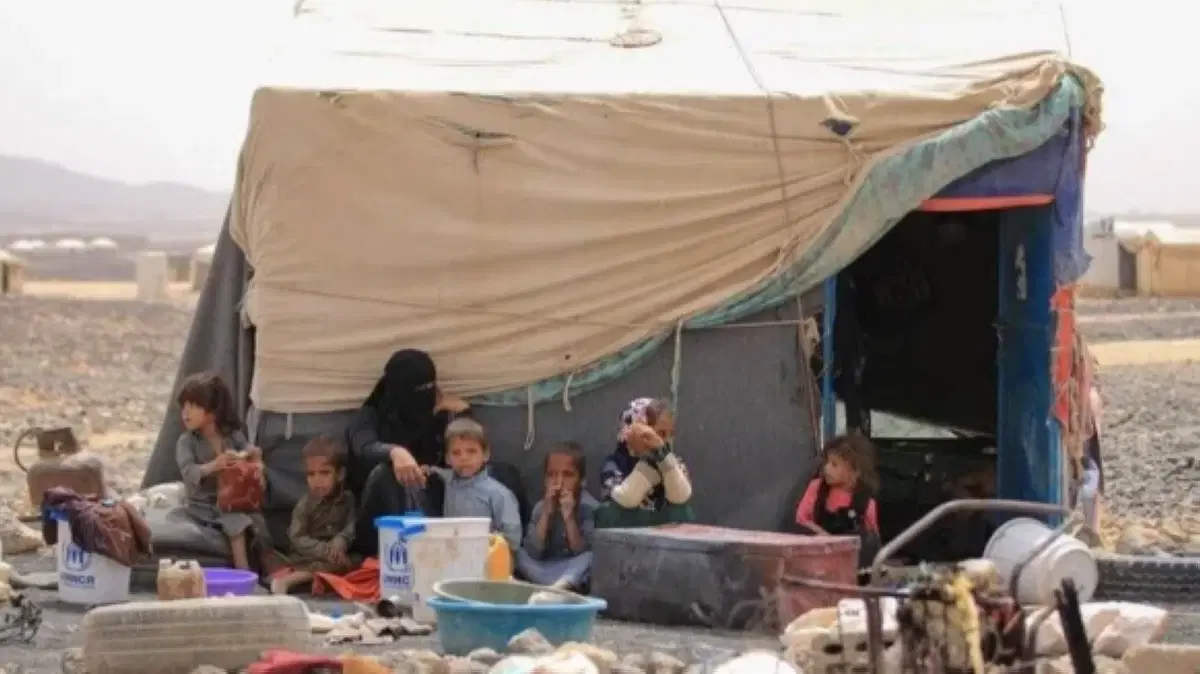
In Khan Younis, southern Strip, an Israeli drone bombed a gathering of civilians near tents for the displaced, resulting in the injury of nine Palestinians and damage to several tents, as a source at Nasser Hospital announced the martyrdom of a Palestinian due to injuries sustained in an Israeli strike on the area.
Local sources reported that the occupation forces bombarded with artillery areas east of Al-Bureij camp in the central Strip, and areas east of Gaza City and Jabalia camp in the north, while Israeli naval boats fired at fishermen's boats off the coast of Gaza City.
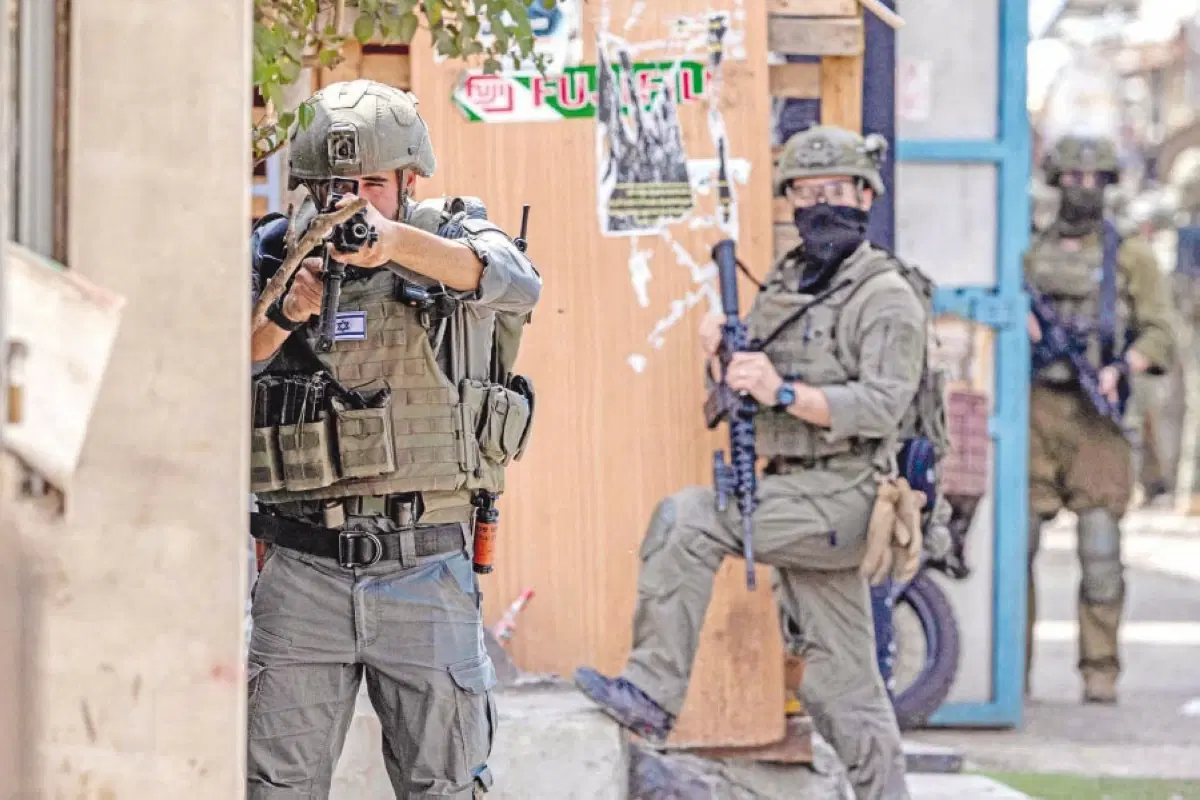
In the occupied West Bank, Israeli occupation forces stormed Qalqilya city and Azzoun town, east of it, in conjunction with carrying out raids, searches, and arrests in several areas.
Local sources reported that the occupation forces arrested 11 Palestinians from various areas in the West Bank, including two children in Bethlehem city, while eight Palestinians were arrested during the storming of Jenin city and a number of villages and towns affiliated with its governorate.
The incursions in Jenin Governorate included the towns and villages of Deir Abu Da'if, Jalboun, Al-Hashimiyah, Barqin, Rumana, Zabouba, Sila Al-Harithiyah, Arrabah, Ya'bad, Aaba, where the occupation forces raided Palestinian homes and conducted field investigations with a number of residents.
In occupied Jerusalem, more than 480 settlers stormed Al-Aqsa Mosque under heavy protection from the occupation forces, which imposed age restrictions on the entry of worshipers, resulting in the prevention of large numbers of them from reaching the mosque, while a limited number who managed to reach the area had to perform prayers at its gates.
In the occupation prisons, the Commission of Prisoners' Affairs and Freed Persons announced the deterioration of the health and humanitarian conditions of three prisoners in Ofer prison, including prisoner Maher Rezq Abdul-Naasan (60 years old) from Al-Mughayer village, who was arrested by the occupation forces on July 6 last year at 1:00 PM from inside his vehicle at a military checkpoint in the Ein Sinniya area.
The Commission said that contact with Abdul-Naasan was cut for hours after his arrest, before it was later found that he was being held by the occupation forces, noting that testimonies of released prisoners who met him indicated that he was severely beaten during his arrest, kept in the sun for hours, and cigarettes were extinguished on his body.
It added that the occupation forces confiscated his vehicle for a week, along with personal papers, IDs, and land ownership documents that were in his possession.
Abdul-Naasan is a former dean in the Palestinian security services, a father of three sons and four daughters, and is serving the second month of an administrative detention sentence of four months.
The Commission also addressed the conditions of prisoner Rafiq Raed Rafiq Qabj (23 years old) from Al-Bireh city, and prisoner Ali Abdul-Eid Barghouti from Beit Rima town.
The Commission quoted prisoner Barghouti as saying that the prisoners are facing difficult humanitarian conditions inside the prison, as they cannot change their clothes regularly and have to wash them during the 'fur' period without sufficient cleaning materials, in light of the limited quantities allocated to the prisoners in each room and the scarcity of underwear, which, according to his testimony, contributes to the spread of scabies among them.
In a notable development, a report issued by the 'Institute for National Security Studies' at Tel Aviv University warned that settler violence in the occupied West Bank is no longer just a local law enforcement issue, but has become a 'clear strategic threat' to Israeli security and the system of governance and institutions.
According to a report published by the Israeli newspaper 'Haaretz', this warning reflects an acknowledgment from within the Israeli security research institution that settler attacks have gone beyond the limits of a limited phenomenon and have become a challenge to the occupation authorities' ability to enforce the law and maintain the stability of the governance system.
Data from Israeli security agencies cited in the report showed that about 660 incidents classified by Israel as 'Jewish national crimes' were recorded in the first half of 2026, compared to 405 attacks in the second half of 2025, an increase of 63%, and about 50% compared to the same period of the previous year.
According to the report, the attacks during the first six months of the year resulted in the injury of 140 Palestinians and the martyrdom of six others, while the United Nations Office for the Coordination of Humanitarian Affairs (OCHA) records about six settler attacks daily, a level described by the report as record.
The report quoted Avi Blot, Commander of the Central Region in the Israeli Army, as saying in messages and meetings that settler violence 'does not happen in a vacuum and is fueled by a popular cover', while estimates within the army indicate that the failure of rabbinical, settlement, and political leaders to clearly condemn these attacks contributes to giving extremists more legitimacy.
The report also believes that what the international community calls'state violence' overlaps with settler violence, warning of the repercussions of this on the Palestinian Authority and its ability to perform its duties, in light of the continued attacks on Palestinians and the uprooting of population clusters and the destruction of their sources of livelihood, alongside other Israeli measures, including the deduction of clearance funds.
The overall developments indicate that the Gaza Strip continues to live on the margin of stability, despite the ceasefire agreement signed in October 2025, as the war has shifted from large-scale military operations to a pattern of continuous attrition, with continued bombardment in a more selective manner, limited opening of crossings, and the entry of aid in quantities that do not meet the growing humanitarian needs.
In light of these circumstances, the continued operation of hospitals and essential services in Gaza is linked to the availability of limited quantities of fuel, oil, and spare parts, making any new shortage of these materials a direct threat to the continuation of life-saving medical services and placing the Strip in front of an escalating humanitarian crisis that goes beyond the effects of direct bombardment to the collapse of the basic components of life.
Know more about this story?Send us a tip
Ask about this report — answers stay grounded in its text.