Preventing Palestinian farmers from accessing their lands
Tens of thousands perform Friday prayers at the «Al-Aqsa» Mosque
Follow Al Rai

8 martyrs and 26 injured in the Strip
Preventing Palestinian farmers from accessing their lands
Tens of thousands perform Friday prayers at the «Al-Aqsa» Mosque
Settlers desecrate the «Bab al-Rahma» cemetery in Jerusalem
The past few hours witnessed an Israeli escalation in the Gaza Strip and the occupied West Bank, resulting in the martyrdom of 8 Palestinians and the injury of 26 others in Gaza, alongside a series of incursions, assaults, arrests, and settler attacks in the West Bank, coinciding with the continued prevention of Palestinian farmers from accessing their lands and picking olives.
Meanwhile, tens of thousands performed Friday prayers at the blessed Al-Aqsa Mosque, while settlers desecrated the «Bab al-Rahma» cemetery in the city of Jerusalem.
The Ministry of Health in Gaza reported that hospitals in the Strip received 8 martyrs and 26 injured due to Israeli targeting, bringing the number of martyrs since the announcement of the ceasefire on October 11, 2025, to 1439, in addition to 5052 injuries, while rescue teams recovered the bodies of 834 martyrs from under the rubble during the same period.
Occupation forces committed 10 new breaches of the ceasefire agreement on Friday, including artillery and aerial bombardment and heavy gunfire, concentrated in Gaza City, Khan Younis, and central areas of the Strip.
The young man Ibrahim Al-Masri was martyred, and several Palestinians were injured, including critical cases, as a result of targeting a group of citizens near the Ansar junction west of Gaza City by occupation aircraft, while Ahmed Al-Ramlawi was martyred in the targeting of the rooftop of the Ramlawi family's house near Al-Ma'muni School.
The occupation army also carried out two demolition operations in the northeast and east of the city, and a drone targeted the vicinity of the Shujaiya junction with bombs, while Israeli aircraft launched raids on the east of Al-Tuffah neighborhood.
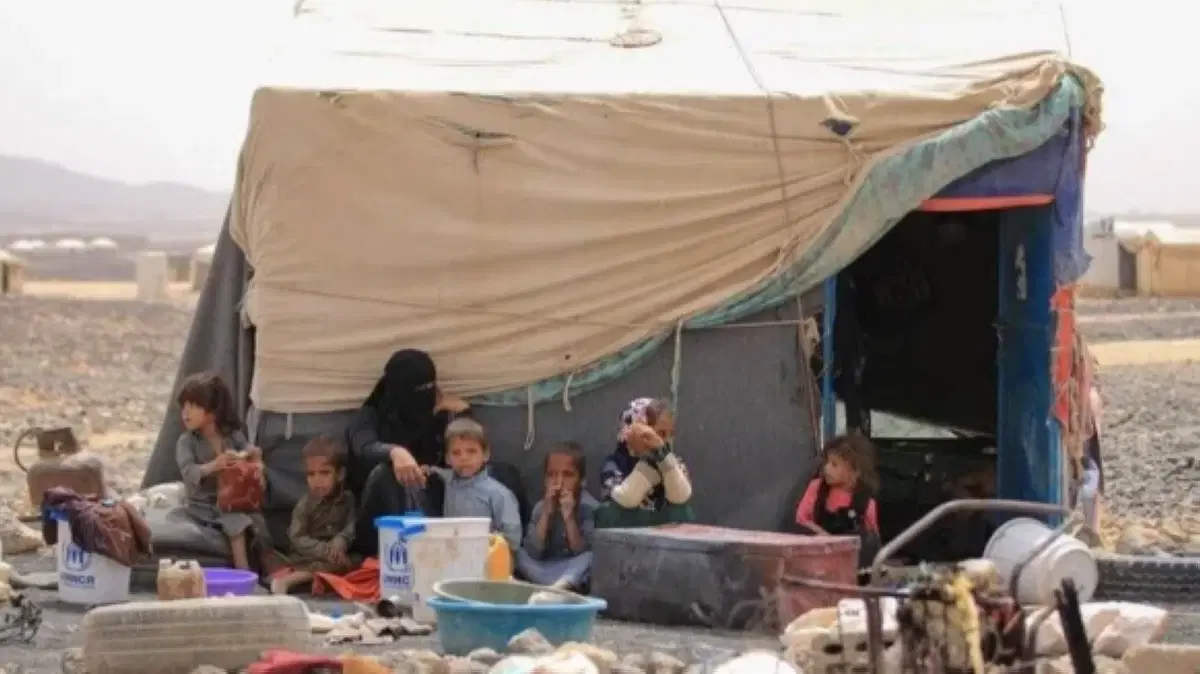
Three Palestinians, including an elderly woman and a child, were injured by Israeli forces' gunfire at displaced persons' tents, coinciding with heavy and continuous gunfire from Israeli vehicles north of the city.
The child Sahar Al-Shawaf was also injured by gunfire at the tents east of Hamad City, north of Khan Younis, while the occupation forces carried out extensive demolition operations in the south of the city.
Areas north of Al-Bureij camp were subjected to heavy artillery shelling in conjunction with occupation forces' movements, and Israeli forces targeted the eastern areas of Deir Al-Balah with artillery shelling and gunfire.
In the occupied West Bank, several areas witnessed a series of simultaneous incursions, assaults, and damages to property by occupation forces and settler groups on Friday.
Occupation forces entered Nablus from the Hawara military checkpoint and raided a residential building in the northern mountain area, while a citizen was injured by Israeli soldiers' beating in the town of Aqraba, southeast of Nablus.
Occupation forces also raided Palestinian homes in the town of Al-Zababda, causing damage and destruction to property, and entered the town of Meithalun and the village of Rumana, west of Jenin, amid heavy firing of sound bombs, while the citizen Muhammad Abdel Karim Turkman was arrested from Al-Zababda.
In Nablus and its surroundings, settler groups attacked the town of Urta, southeast of the city, and assaulted Palestinian vehicles and properties, before kidnapping a 17-year-old boy. Five Palestinians were also injured by suffocation due to gas bombs fired by the occupation forces during the incursion.
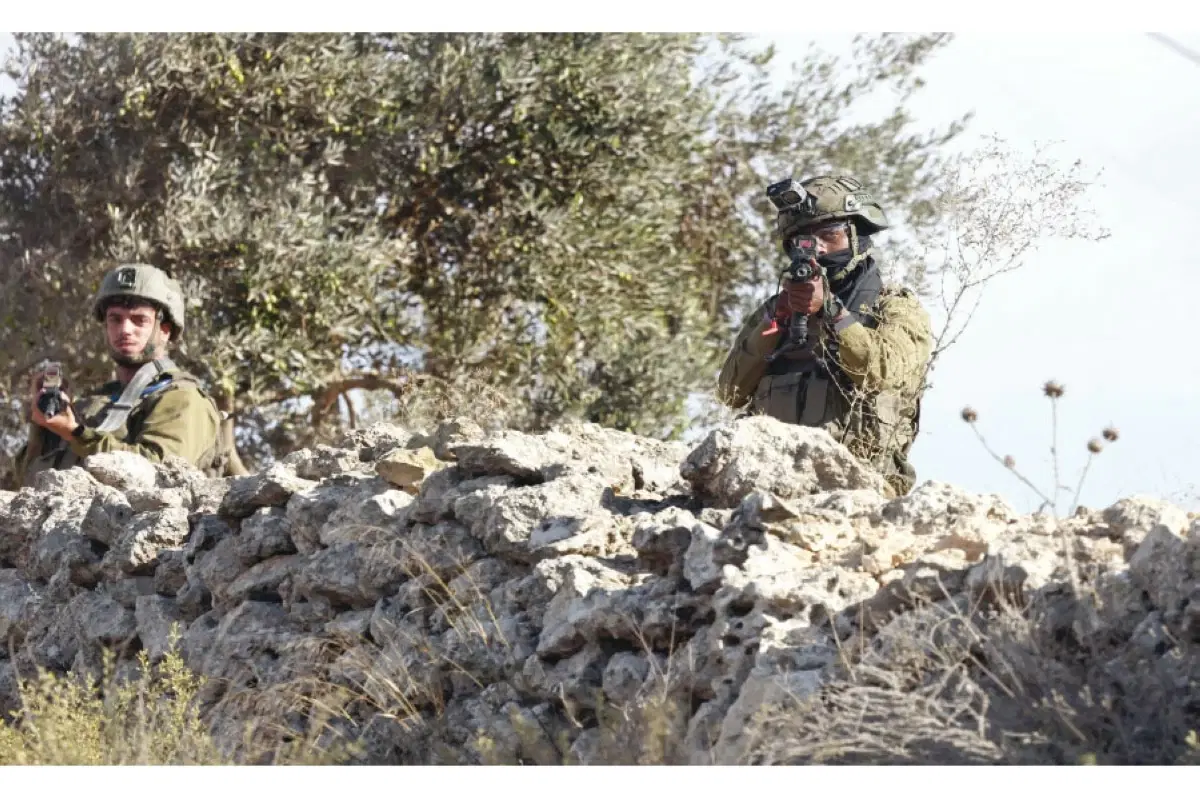
In the same context, three Palestinians were injured by settler assaults while picking olives in the villages and towns of Beit, Jammain, Urta, Ausarin, Beit Furik, and Deir Sharaf, while the occupation forces fired sound and gas bombs towards citizens and foreign supporters who participated in picking olives.
In Ramallah, settlers attacked citizens' homes in the village of Burqa, east of the city, in conjunction with the occupation forces' incursion into the town.
These assaults coincided with the olive harvest season, as settlers and occupation forces continued to prevent farmers from accessing their lands and picking olive fruits in several areas of the West Bank. In Salfit Governorate, settlers and occupation forces prevented farmers from picking olives in the western area of Deir Istiya, and forced farmers to leave their lands in Farkha and Harith, while the occupation forces detained three farmers from Harith while picking olives in their lands near the main road.
In occupied Jerusalem, the occupation forces obstructed the olive harvest season in the town of Siloam, south of the Al-Aqsa Mosque, and prevented residents from accessing their lands in Wadi Al-Rababa neighborhood, and confiscated tools for picking and quantities of the crop.
According to data from the Palestinian Ministry of Agriculture until the end of September 2026, 98,293 olive trees in the West Bank were damaged, while direct losses in the crop exceeded $66.5 million, and cumulative losses since 2023 amounted to approximately $316.9 million. On another note, tens of thousands of worshipers performed Friday prayers at the Al-Aqsa Mosque/Al-Haram Al-Sharif, despite the occupation forces' measures and restrictions on those entering the Old City and the mosque.
The Islamic Endowments Department in Jerusalem stated that tens of thousands performed Friday prayers at the Al-Aqsa Mosque. Palestinian media reported that the Israeli occupation forces prevented dozens of young men from reaching the Al-Aqsa Mosque after stopping and checking their IDs, and were heavily deployed around the Old City and the mosque.
Separately, the Jerusalem Governorate reported that the number of settlers who entered the Al-Aqsa Mosque during the Hebrew holiday season reached 11,409, amid a clear escalation in the frequency of incursions, religious rituals, and occupation procedures inside and around the Al-Aqsa Mosque. Settlers also stormed the Bab al-Rahma cemetery adjacent to the eastern wall of the Al-Aqsa Mosque.
The Jerusalem Governorate reported that settlers performed Talmudic rituals on the occasion of the so-called seventh and last day of the Jewish Feast of Tabernacles, carrying with them what they call the «four species» of plants, in front of Bab al-Rahma from the outside of the eastern wall of the Al-Aqsa Mosque, adjacent to Muslim graves, according to the Palestinian News Agency (WAFA).
It added that these rituals come in the context of a recurring behavior witnessed in the region recently, within a path sought by Jewish groups to establish the area adjacent to Bab al-Rahma as a point for Jewish prayer and religious rituals, by organizing frequent gatherings and prayers at the site, and promoting religious and historical narratives that claim the importance and significance of the place for Jews, and some of these narratives even go so far as to present the site as having a significance surpassing the status of the Western Wall, according to what those groups promote.
Know more about this story?Send us a tip
Ask about this report — answers stay grounded in its text.