Ajloun: "Our Jordan is a Paradise" enhances tourism and economic development and supports local projects
Amman4 min read
Share
The "Our Jordan is a Paradise" program has contributed to stimulating tourism and economic activity in Ajloun Governorate by attracting thousands of visitors to tourism, natural, and heritage sites, and by supporting tourism establishments and local productive projects, thereby enhancing economic development opportunities and providing sources of income for local communities.
The official spokesperson for the Ministry of Tourism and Antiquities and the program's director, Dr. Ahmed Al-Rifai, stated that Ajloun Governorate attracted 34,861 participants via program trips between March 31 and October 24, 2026, including 34,823 participants in single-day trips and 38 participants in overnight programs.
He added that 116 tourism agencies benefited from the program by organizing trips to the governorate, alongside the participation of 25 restaurants and 1,047 tourist guides and buses, which reflects the scale of participation and integration among various components of the tourism sector, and contributes to enhancing services provided to visitors and stimulating economic activity in the governorate.
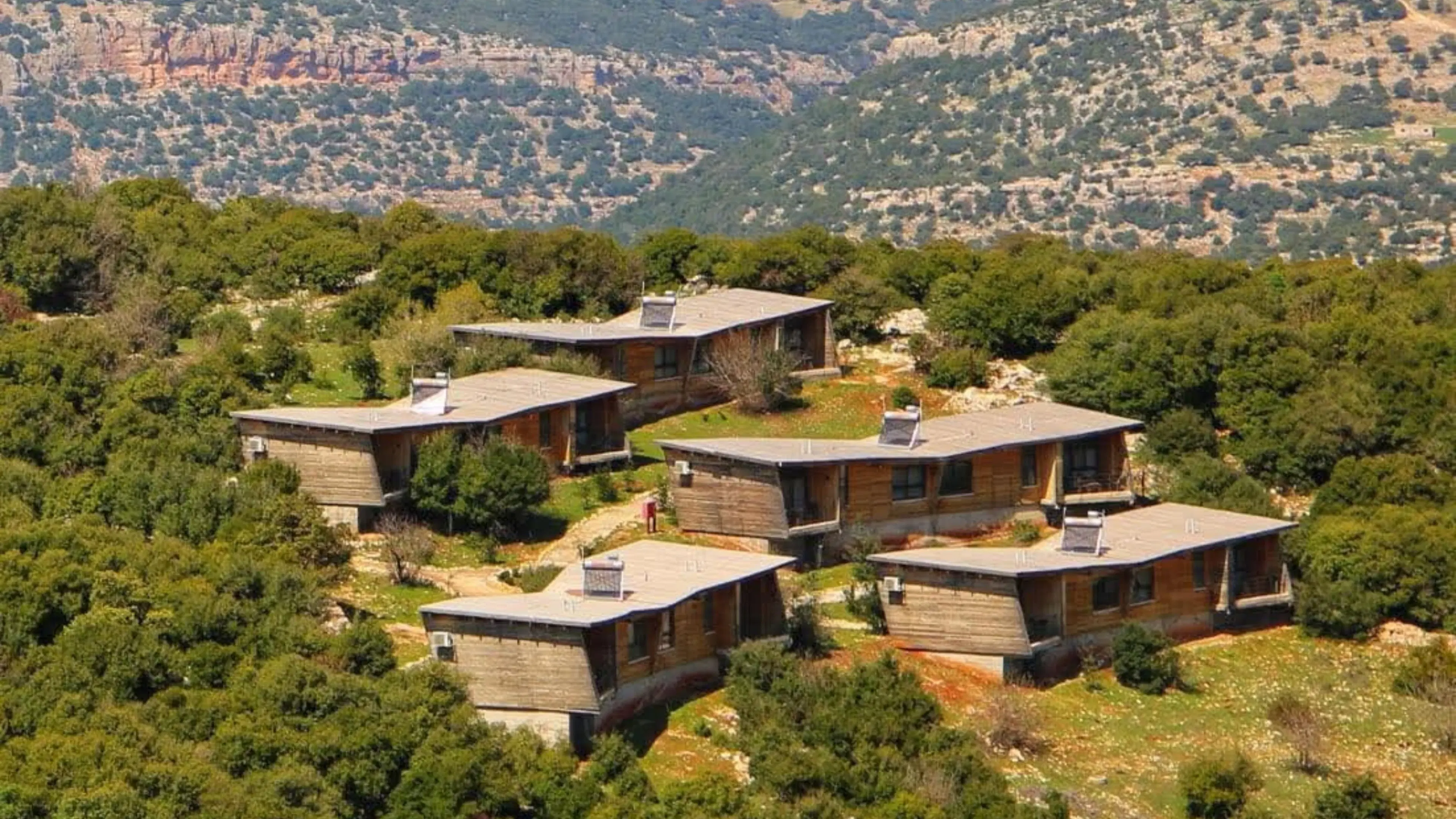
Al-Rifai pointed out that the demand for Ajloun reflects its status as a distinguished tourist destination due to its natural, historical, and heritage assets, most notably the Ajloun Castle and the Ajloun Forest Reserve, in addition to the forests, nature trails, and tourism experiences that allow visitors to discover the beauty and distinctiveness of the governorate.
He explained that the "Our Jordan is a Paradise" program, implemented by the Ministry of Tourism and Antiquities, aims to stimulate domestic tourism and encourage citizens to explore tourism, archaeological, natural, and cultural assets across the Kingdom's governorates by providing diverse tourism trips and experiences at subsidized prices suitable for various segments.
He clarified that the program works to expand the scope of tourism destinations and trails, enhance visits to less-visited areas, highlight the experiences and products of local communities, and broaden the participation of different social groups in tourism activities.
He emphasized that the program's importance is growing in light of turbulent regional conditions and the potential decline in international tourism, as it contributes to supporting the sustainability of tourism establishments, enabling them to continue operations, and compensating for part of the decline in foreign demand by stimulating domestic tourism.
For his part, the Director of Tourism in Ajloun, Firas Al-Khatatbeh, said that the "Our Jordan is a Paradise" program constitutes an important opportunity to promote the tourism assets the governorate possesses, and contributes to increasing visitor numbers and stimulating tourism activity at natural and archaeological sites.
He added that the diversity of tourism sites in Ajloun, alongside the forests, reserves, historical sites, and rural experiences, gives the governorate wide opportunities to attract visitors, emphasizing the importance of cooperation between official entities, the tourism sector, and local communities to develop the tourism product and improve the quality of provided services.
He pointed out that the increase in visitor numbers positively reflects on restaurant owners, tourism establishments, tourist guides, and small project owners, contributing to providing job opportunities and enhancing economic benefits for the governorate's residents.
In turn, the owner of a tourism project in Ajloun, Awad Al-Daoud, said that the "Our Jordan is a Paradise" program has contributed to increasing tourism activity and boosting demand for local projects by attracting groups of visitors who learn about the products, services, and tourism experiences offered by the governorate.
For her part, the founder of the Bostan Al-Rumman productive kitchen in the Rajeb area, Ibtisam Freihat, indicated that domestic tourism programs contribute to introducing food and heritage products offered by local productive projects, and open up new opportunities for marketing and reaching wider segments of visitors.
She added that tourist group visits to productive projects allow visitors to learn about the nature of the work, local products, and traditional foods, and provide an opportunity to support women working in these projects and enhance their economic participation, stressing the importance of linking tourism trails with productive kitchens and rural projects.