Syria and the World Bank agree to establish a recovery and reconstruction fund
Agencies4 min read
Share
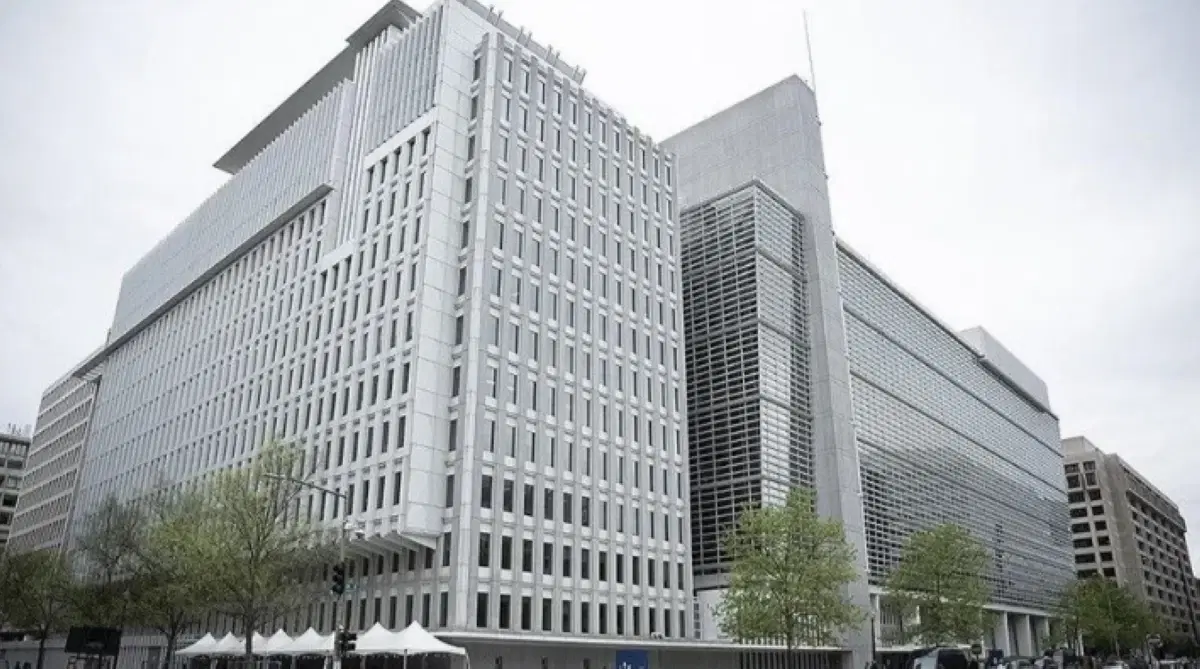
Syria and the World Bank Group announced on Sunday an agreement to establish a multi-donor trust fund to support recovery and reconstruction, provide direct financing, investment guarantees, technical support, and capacity building.
This came in a joint statement published by the Syrian Ministry of Foreign Affairs regarding the establishment of the "Syria Trust Fund for Recovery and Reconstruction (START)."
The World Bank will manage the fund in partnership with donors, institutions, and development partners, in a manner consistent with the priorities determined by the Syrian state, according to the statement.
It noted that the fund aims to mobilize international support and coordinate aid and financing to accelerate economic recovery, reconstruction, and institutional reforms, in addition to encouraging and attracting private investment financing.
The statement added that the fund's objectives, institutional framework, and proposed working mechanisms were reviewed during a high-level roundtable meeting held on the sidelines of the 2026 Annual Meetings of the World Bank Group and the International Monetary Fund in the Thai capital, Bangkok.
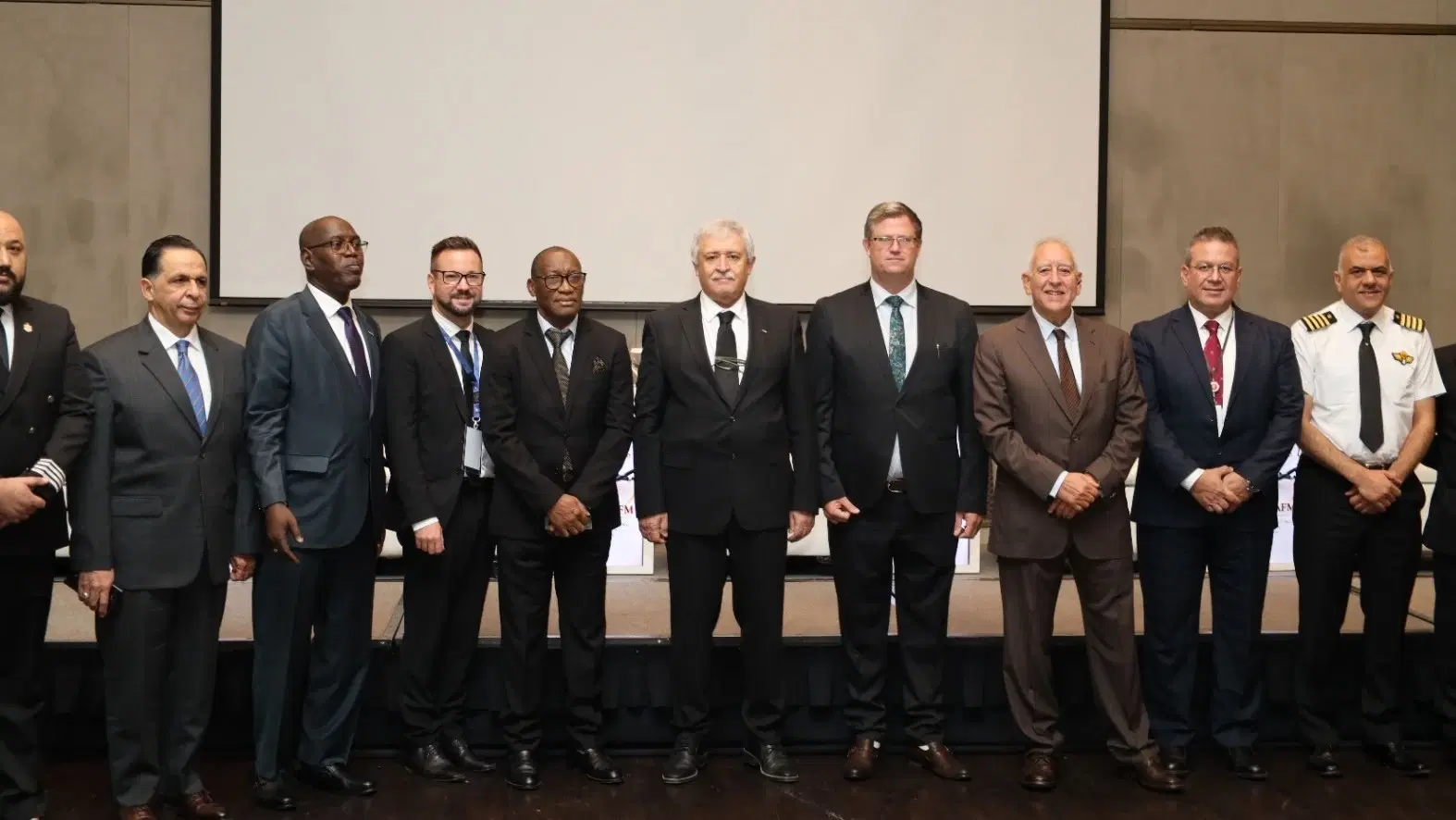
Participating development partners from the Arab region, European Union countries, the United States, financial institutions, and development agencies expressed their support and keenness to contribute to the initiative, according to the statement.
Regarding the importance of the agreement, Syrian Minister of Finance Mohammad Yassar Bernieh, Syria's Governor to the World Bank Group, said it "establishes a new phase of cooperation and coordination with our international partners, ensuring that resources are efficiently directed toward recovery and reconstruction priorities in Syria."
He added: "We affirm our firm commitment to the highest standards of integrity, transparency, accountability, and good governance," which enhances the confidence of international partners and ensures the achievement of a tangible and sustainable developmental impact that benefits the Syrian people.
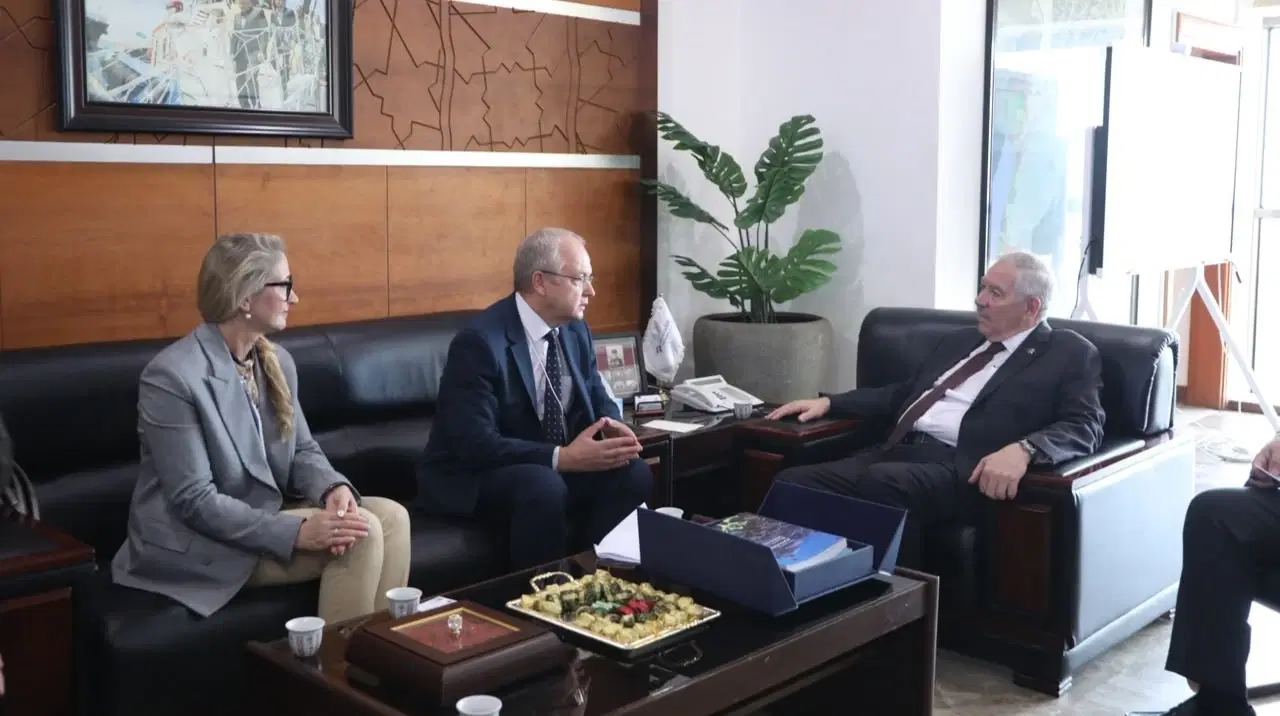
In turn, the Director of the International Cooperation Department at the Ministry of Foreign Affairs and Expatriates, Qutaiba Qadish, Syria's Alternate Governor to the World Bank Group, described the agreement as the fruit of coordination and cooperation with international financial institutions.
He defined its goal as "coordinating efforts and mobilizing resources to serve our priorities in achieving economic recovery within a disciplined framework of governance, which grants confidence to all partners and donors."
For his part, Ousmane Dione, World Bank Vice President for the Middle East and North Africa, Afghanistan, and Pakistan, considered the establishment of the fund a significant step toward translating the international community's commitment to supporting Syria into practical and coordinated efforts.
Dione said: "The fund will contribute to supporting the delivery of basic services, strengthening institutional capacities, and expanding economic opportunities for the Syrian people."
Regarding implementation mechanisms, the fund will work to mobilize resources, coordinate partner contributions, and support the financing of priority reforms and recovery and reconstruction programs, within a framework subject to World Bank policies and procedures, according to the statement.
He added that the fund, in cooperation with the International Finance Corporation and other partners, will seek to enhance private sector participation, stimulate investment financing, and expand economic opportunities.
Both sides emphasized the importance of translating the fund's activities and international support into tangible results that improve basic services and the standard of living for Syrians and contribute to fighting poverty through job creation.
They considered that the exceptional scale of recovery and reconstruction needs requires a "sustainable and coordinated international response" based on effective partnership, national ownership, and sound resource management.
The initiative comes within the path of resuming financial cooperation between Syria and the World Bank, after Saudi Arabia and Qatar paid Damascus's arrears to the International Development Association, amounting to about $15.5 million, in May 2025, which restored its eligibility for new financing.
In June of the same year, the Bank approved a $146 million grant for Syria to help restore reliable and affordable electricity supplies and support economic recovery, in its first project in the country in nearly four decades.
The Bank's estimates clarify the scale of the challenge; in a report issued in October 2025, it estimated the cost of reconstructing physical assets damaged by the conflict between 2011 and 2024 at about $216 billion.