Secretary-General of the Ministry of Culture inaugurates the 20th session of the Jordanian Family Library Exhibition in Ain Al-Basha District
Amman4 min read
Share
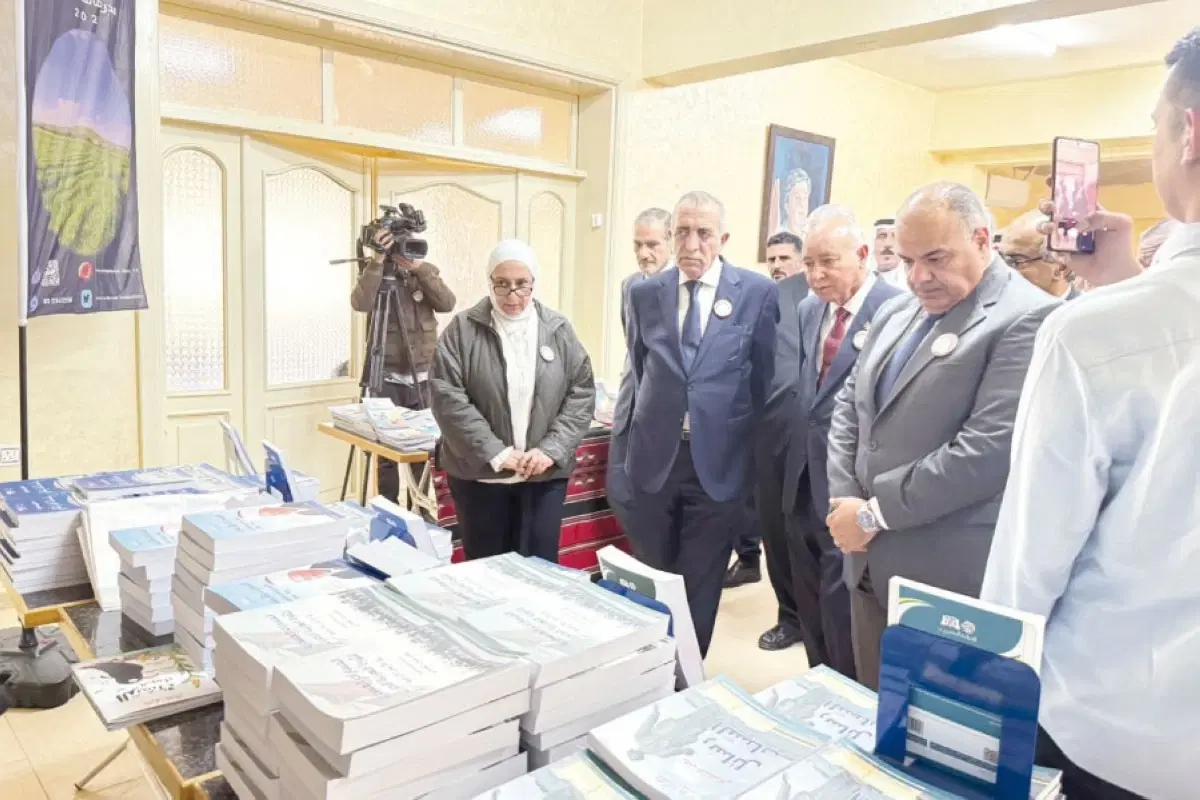
Secretary-General of the Ministry of Culture, Dr. Nidal Al-Ayasrah, representing Minister of Culture Mustafa Rawashdeh, and in the presence of Balqa Governorate Culture Director Amer Al-Shibli, inaugurated the 20th session of the Jordanian Family Library Exhibition, which was organized by the Balqa Culture Directorate in cooperation with the Ain Al-Basha Cultural Forum at Beit Ain Al-Basha/Ain Al-Basha District.
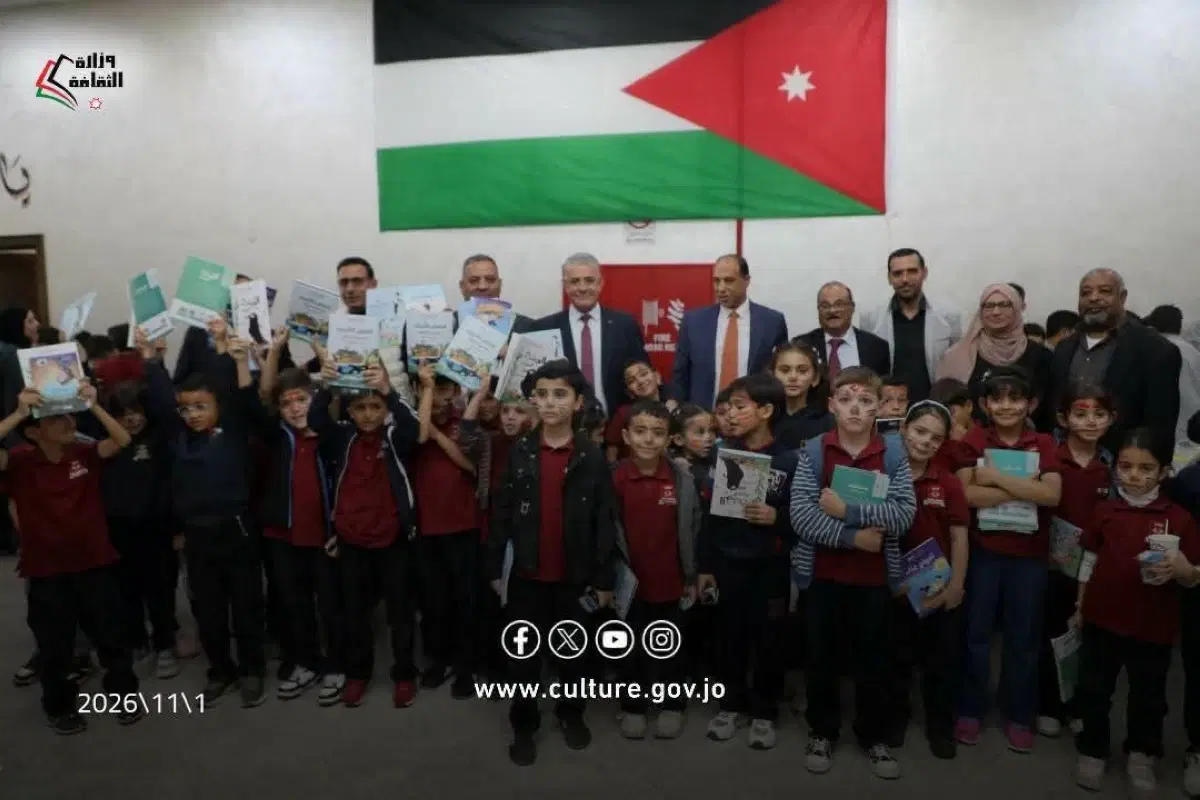
The opening ceremony was attended by the District Commissioner of Ain Al-Basha, Mr. Hakim Al-Alawneh; the Director of Education for Ain Al-Basha District, Dr. Arjuwana Al-Momani; Eng. Majed Abu Orabi, representing the Mayor of Ain Al-Basha; the Director of Awqaf for Ain Al-Basha District, Dr. Talib Al-Awamleh; Mr. Za'al Al-Tarawneh; Assistant District Commissioner of Ain Al-Basha, Rayan Al-Mawas; in addition to several heads of cultural bodies, tribal leaders and notables of the district, intellectuals, those interested in cultural affairs, and a crowd of students from public and private schools and members of the local community.
The ceremony’s activities were moderated by Sajeda Al-Woreikat, head of the Ain Al-Basha Cultural Forum, where the events began with a minute of silence for the souls of the martyrs of Hamoud, in appreciation of their sacrifices.
Dr. Al-Ayasrah emphasized that the choice of Ain Al-Basha District to host the inauguration of this year’s Jordanian Family Library Exhibition came due to the district’s vitality, diversity, high population density, and the abundance of creative energies and an environment conducive to interacting with cultural and intellectual activities. He pointed out that the exhibition embodies the Ministry of Culture’s trends towards promoting a culture of reading, expanding the umbrella of cultural development to include various governorates and districts, and facilitating citizens’ access to sources of knowledge and various publications.
He explained that the Jordanian Family Library project is considered one of the most prominent sustainable cultural and developmental projects implemented by the Ministry, due to its pivotal role in building a conscious and educated society, and establishing reading as a daily behavior and community practice, reaching the slogan "A library in every Jordanian home," by making a wide range of books and publications available in literary, scientific, historical, philosophical, and general knowledge fields at symbolic prices suitable for various segments of society.
He pointed out that children's publications hold a significant space within the project, as they constitute about 20% of the total publications for this session, emphasizing the importance of developing the awareness of the younger generations and strengthening their relationship with books and knowledge from an early age.
He added that the Ministry, through its cultural and reading programs, continues to strengthen national identity and invest in people, considering them the basic pillar in building a society that possesses awareness and the ability to face challenges and anticipate the future. He noted that the diversity of publications and their accumulated knowledge contribute to documenting the Jordanian narrative, as the story of the land and the people, and as an embodiment of the nation's memory and identity.
The ceremony included poetic segments presented by one of the district’s students, in addition to an artistic segment presented by students from the Arab Child Forum, which reflected their creative talents and added an atmosphere of joy and interaction to the opening events.
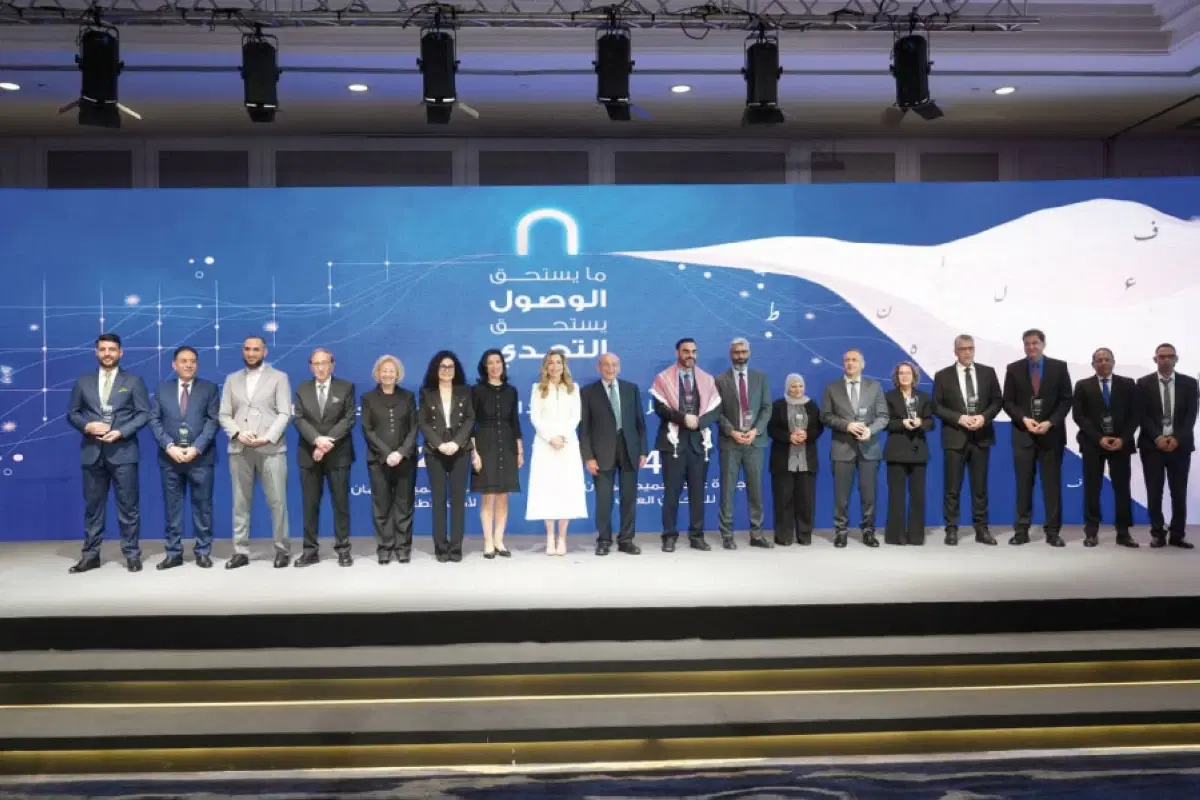
At the end of the ceremony, a number of participants and those responsible for the success of the event were honored in appreciation of their efforts and role in supporting cultural work and strengthening the partnership between official institutions and cultural bodies.
The organization of the exhibition comes within the framework of the Ministry of Culture’s vision aimed at enhancing cultural movement in the various districts of the governorate, expanding access to books, and entrenching the culture of reading among different age groups, in a way that contributes to building a knowledge society and enhancing cultural awareness among generations.