Scenarios for the next phase between Washington and Tehran
Netanyahu pushes for a military strike against Iran
Amman8 min read
Share
Trump tends to give the diplomatic path one last chance
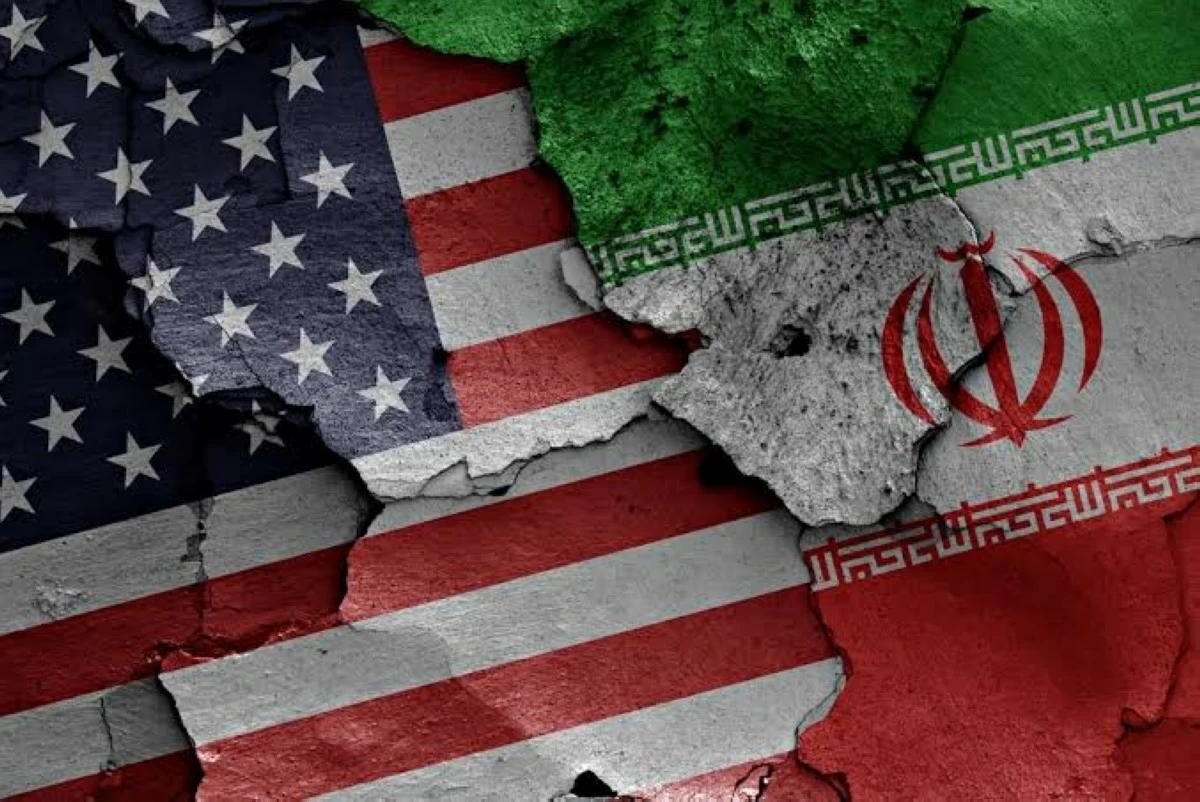
On the eve of the U.S. midterm elections, and in the aftermath of the Israeli elections, the regional landscape is facing a highly complex phase, in which political and military calculations overlap, amid a clear divergence in the positions of Washington and Tel Aviv regarding dealing with Iran.
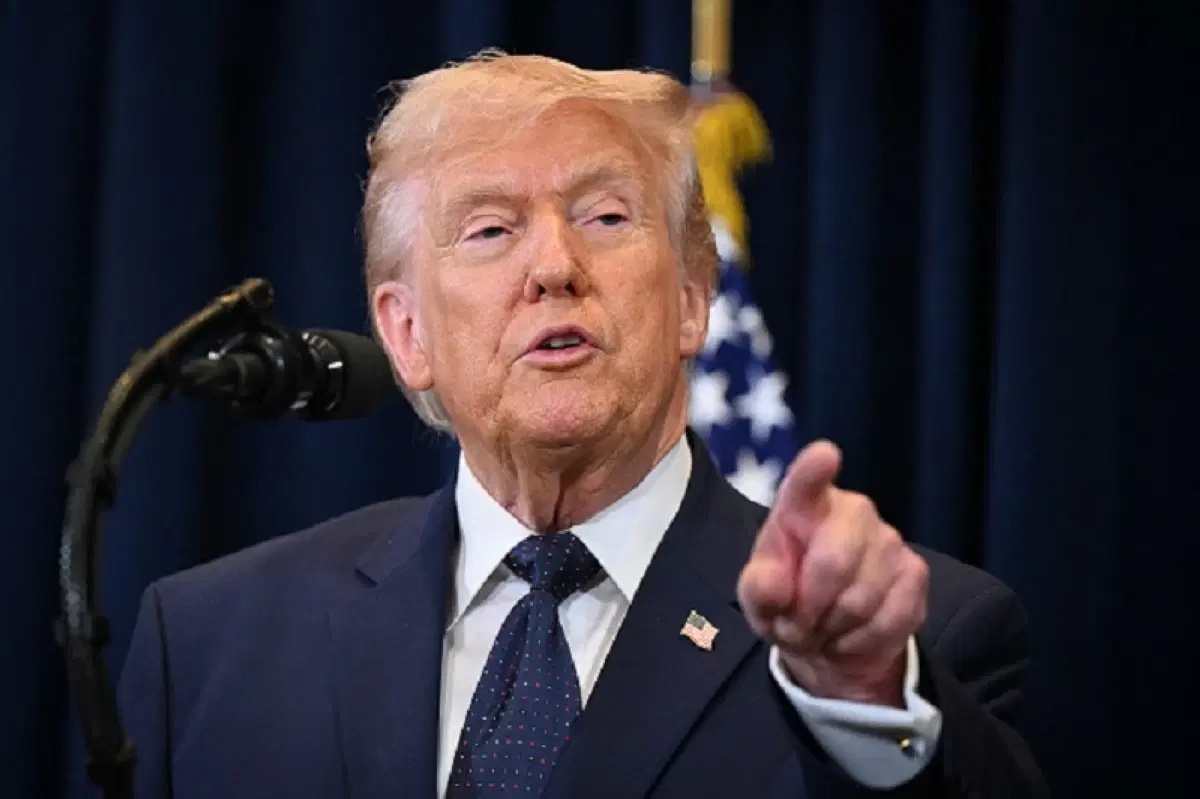
While Israeli Prime Minister Benjamin Netanyahu seeks to push the U.S. administration toward launching a new military strike against Iran before the new Knesset is sworn in, U.S. President Donald Trump seems more inclined to give the diplomatic path one last chance, while keeping the military option on the table.
In this context, a report published by the American platform "Axios," citing informed Israeli and American sources, revealed that Trump held a phone call with Netanyahu last Saturday, which Israeli sources described as "difficult," while an American official described it as "direct." According to the report, Netanyahu pressed during the call for resuming the war against Iran as soon as the midterm elections end, expressing his deep concern regarding the ongoing negotiations between Washington and Tehran. In contrast, sources reported that Trump prefers, at the current stage, to give the negotiations a chance to exhaust their path, and does not want Israel to take steps that would hinder the ongoing contacts; however, this position, according to the same sources, is not final and could witness a major shift if the negotiations falter and fail to reach understandings.
These developments coincide with what the American newspaper "The New York Times" reported in a report regarding the United States and Israel setting specific military plans to carry out a short, high-intensity operation against Iran after the midterm elections, targeting energy facilities, nuclear infrastructure, and missile and drone depots, in an indication that the military option is still strongly present in both parties' calculations, despite the continuation of diplomatic efforts.
Inside Israel, the prospects of escalation have sparked criticism and warnings about the repercussions of employing the confrontation with Iran in internal political calculations.
In this framework, former Israeli Prime Minister Ehud Barak directed sharp criticism at Netanyahu, warning that the decision to launch an attack on Iran at this time might have political motives related to the future of the government, rather than being linked to an urgent security necessity.
Barak said, in an interview with the Israeli radio station "103 FM," that the outbreak of war would create a state of emergency within Israel, which might disrupt the normal procedures related to the new Knesset taking the constitutional oath.
He explained that the government, in wartime conditions, has the authority to designate areas where gatherings are prohibited, which could lead to the cancellation of the swearing-in ceremony and open the door to calls for the formation of a national unity government.
He added that the primary source of concern is the possibility of using military escalation as a means to remain in power, confirming that, in his estimation, there is no information calling for immediate action against Iran, and that dealing with the file can be postponed for six or eight weeks, until a new government is formed. For his part, Major General (Res.) Tamir Hayman, head of the Institute for National Security Studies and former head of the Israeli Military Intelligence Directorate "Aman," considered it more likely that the United States is currently closer to reaching an agreement with Iran than to launching a military attack, but he stressed that this trend might be temporary and subject to change depending on the course of the negotiations.
Hayman explained, in statements carried by the "Central News Bulletin," that his assessment is based on the intensive activity exerted by intermediaries, alongside the Iranian side showing a degree of flexibility and its readiness to take gradual steps to build trust. However, he warned against overestimating this flexibility, pointing out that Tehran does not seem ready to make concessions on core files that represent red lines for the Supreme Leader, most notably removing enriched uranium from Iranian territory. He considered that Washington's insistence on this condition might push matters back toward military confrontation.
Hayman warned that any joint attack might exceed the limits of confrontation with Iran to include other fronts, including Hezbollah, which threatens a wide and severe confrontation.
He pointed to the existence of a difference in goals between Netanyahu and Trump, as the former seeks to topple the Iranian regime, while the latter focuses on increasing pressure on Tehran to push it to return to the negotiating table. He believed that entering into a joint battle in light of this discrepancy in goals could lead to an explosion whose repercussions are difficult to contain.
In another reading of the scene, Israeli military analyst Avi Ashkenazi considered, in an article published by the newspaper "Maariv," that the possibility of a confrontation between the United States and Israel has become a possibility, in light of the absence of indicators of Iran's readiness to surrender, versus Israel's unwillingness to return to the pattern of intermittent confrontations, whether with Iran or on other fronts.
Ashkenazi noted that previous experiences have left Israel with harsh lessons, especially in confrontations with Hezbollah in Lebanon and Hamas in the Gaza Strip, during which it suffered heavy human losses. He pointed out that dealing with Iran is different from confronting armed organizations, as it is a country that possesses vast military capabilities and strategic potential, which requires, from his point of view, that Washington and Tel Aviv reach a clear and decisive conclusion regarding how to deal with it, rather than sliding into repeated combat rounds.
In the same context, Israeli analyst Barak Ravid, Channel 12 correspondent, quoted two informed sources, one Israeli and the other American, as saying that Trump confirmed during his call with Netanyahu his desire to give the negotiations a chance to exhaust their path, and not to allow Israel to hinder contacts with Tehran, pointing out that the failure of the negotiations could lead to a major change in the American president's position.
As for Tehran, the options before the Iranian regime seem extremely complex, in light of the increasing political and military pressures.
Reports indicate the existence of two main trends in dealing with the next phase; the first is military escalation by targeting sites in the Arabian Gulf region, including American warships and oil tankers, with the aim of widening the scope of tension and creating a major security crisis that could be reflected in the American political scene and affect the midterm elections.
The second trend is based on avoiding direct confrontation and lowering the level of escalation, and accepting understandings that may involve significant concessions to Washington, through diplomatic channels that include Pakistan, Qatar, and Russia.
Between these two options, Iran seems to be facing a difficult equation, as escalation could open multiple fronts and expose it to a wide military confrontation, while making core concessions could put the regime before internal political and strategic challenges, especially if the results of the negotiations are considered a retreat from its announced positions.
In light of these facts, the outbreak of a total war against Iran after the midterm elections does not seem to be a foregone conclusion, despite the continued military preparations and increasing Israeli pressure toward escalation. Trump is still balancing the opportunities for reaching an agreement with the cost of the military option and its regional repercussions, while Netanyahu seeks to invest in the political moment to push Washington toward adopting a more hardline position toward Tehran.
But the most important question is not only about the possibility of making a war decision, but what will happen on the day after it erupts. If Trump concludes that the negotiations have reached a dead end, the established military plans might be put into execution, under the title of keeping Iran for years away from possessing nuclear capability, but achieving this goal does not necessarily answer the most complex question: how will the confrontation end, and what are the guarantees that prevent it from turning into an open regional war?
The absence of a clear strategy for exiting the war could make any temporary military victory an entrance to new rounds of escalation.
In this framework, Hayman warned of the danger of leaving the initiative to Iran in determining the timing of ending the confrontation, considering that this might allow Tehran to present an internal narrative that it won the war. Herein lies the real dilemma for Washington and Tel Aviv: not only how to start the confrontation, but how to end it, and ensure that its results do not turn into a prelude to a more widespread and complex conflict.