Midterm elections shape the future of Trump’s agenda
Amman6 min read
Share
Polls give Democrats a push toward regaining Congress
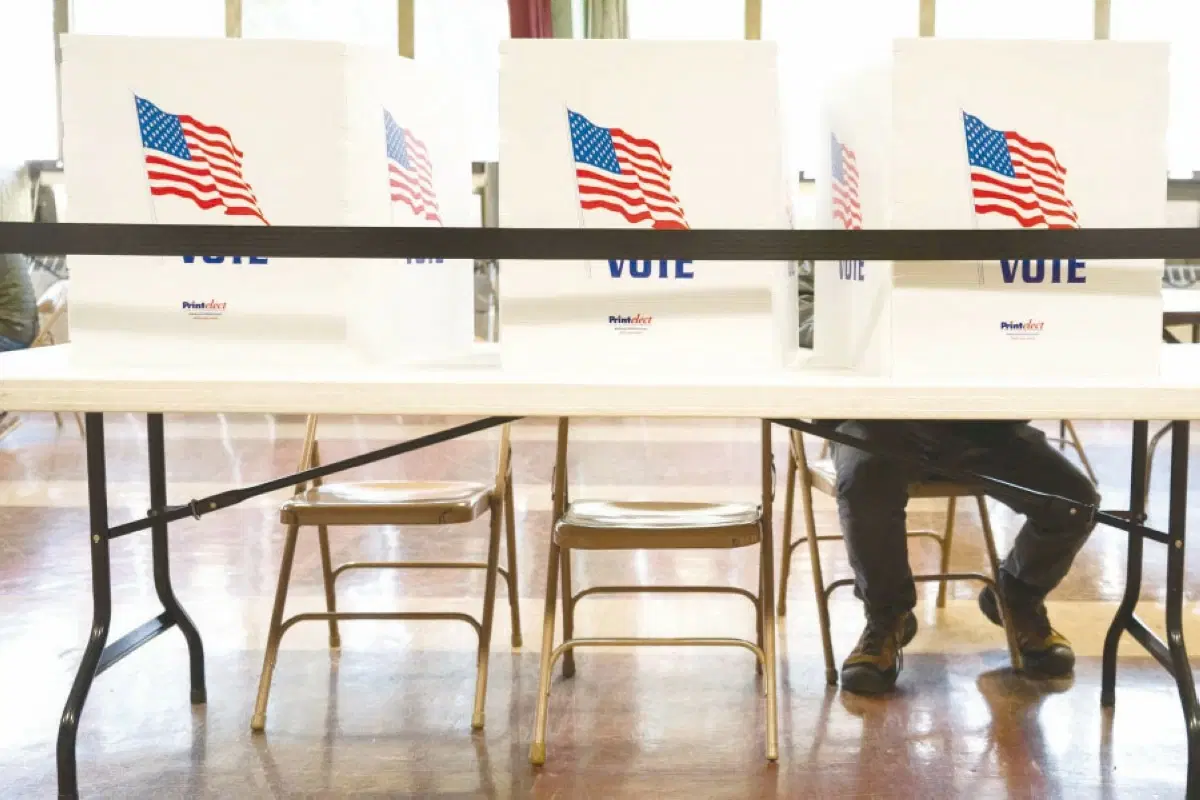
Americans head to the polls today, Tuesday, to cast their votes in the midterm congressional elections, a political milestone of exceptional importance, amid intensifying competition between the Republican and Democratic parties and anticipation of potential shifts in the balance of power within the House and Senate.
These elections come in light of declining approval ratings for President Donald Trump and escalating disputes over his domestic and foreign policies, particularly the repercussions of the war on Iran and the rising cost of living, making their results a significant factor in the U.S. administration's ability to implement its agenda during the remaining two years of the presidential term.
On the eve of the vote, Democrats are intensifying their electoral efforts, supported by opinion polls indicating improved prospects, in an attempt to regain control of Congress, even partially, and impose political and legislative constraints on the Trump administration, which faces accusations of exceeding its powers. Conversely, Republicans seek to maintain their majority and avoid a loss that could hinder the president’s priorities and open the door to parliamentary investigations into several files related to his administration.
However, a surprise development in the final days of the campaign may cast a shadow over the competition in the Senate, where the battle appears tighter and more complex compared to the House of Representatives.
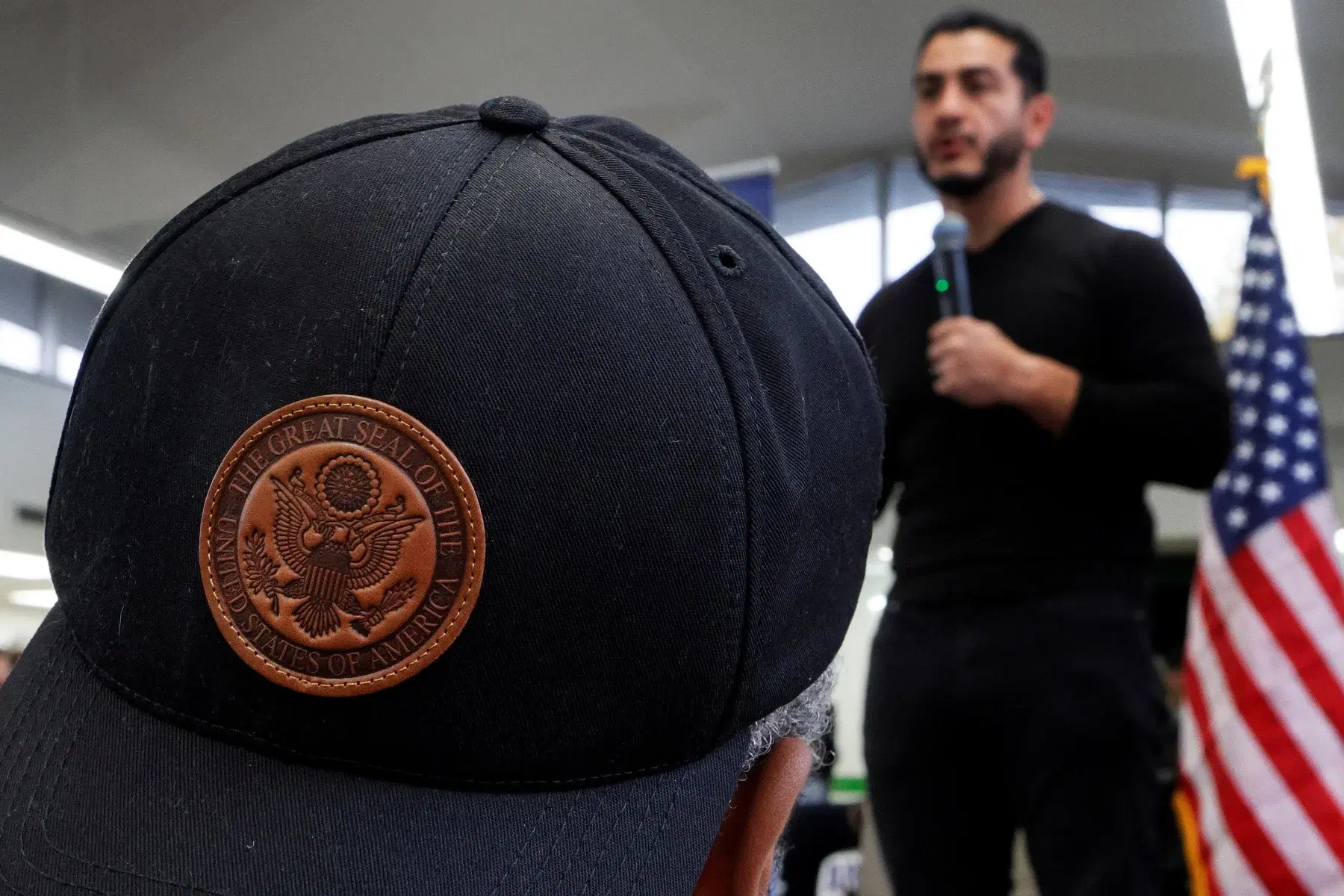
On Sunday, Democratic Representative Haley Stevens announced her support for the Republican candidate in Michigan, Mike Rogers, against the Democratic candidate Abdul El-Sayed, who had defeated her in the party's primary elections.
Trump welcomed this move, while Senate Democratic Leader Chuck Schumer described it as a "shameful betrayal," given the importance of the race, which could be decided by a single seat.
In their bid to win the Senate majority, Democrats are banking on several races in states that were not traditionally considered their strongholds, most notably Texas and Kansas, where James Talarico and Adam Hamilton are running races that are gaining increasing attention. The two Democratic candidates are scheduled to conclude their campaigns with rallies on Monday in an attempt to mobilize voters before polling day.
In contrast, Trump is participating in the final days of the campaign through a speech he is delivering at the Lincoln Memorial pool, one of the symbolic sites in Washington, D.C., which has become linked to his controversial project to redraw the city's features.
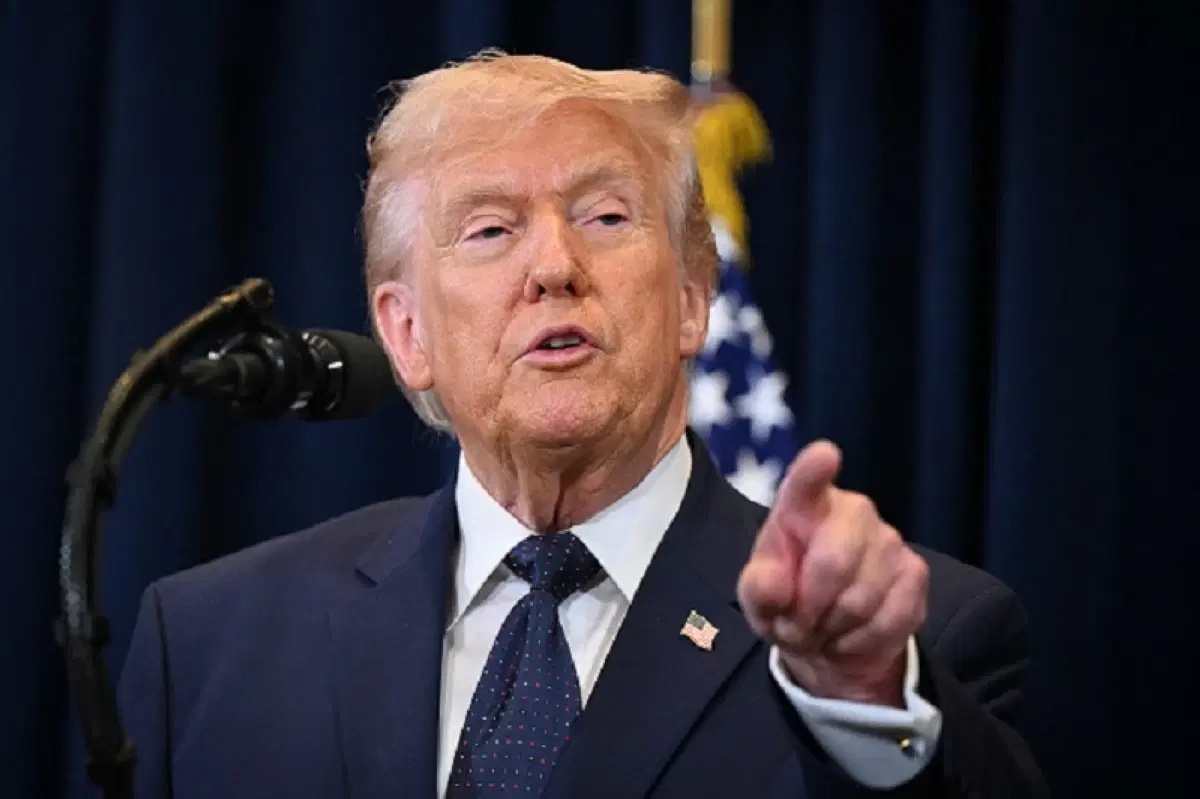
The U.S. President expressed confidence in a Republican victory, saying during a campaign rally, "We will win," at a time when he has consistently questioned the integrity of the electoral process over the past months and hinted at the possibility of challenging the results.
Gaining control of the House of Representatives holds special significance for Democrats, as regaining it would give them broad influence in setting federal budget priorities, as well as assuming the chairmanship of influential parliamentary committees that possess investigation and oversight powers over the administration's performance. This would allow them to open files related to corruption suspicions during the Trump administration, along with the Jeffrey Epstein case and other controversial political and legal issues.
As for the Republicans, losing the majority in either or both houses of Congress, two years before the end of Trump's term, would pose a challenge to passing legislation and implementing his political program, at a time when the administration is facing pressures linked to inflation and the rising cost of living, in addition to the repercussions and prolongation of the war on Iran.
Despite indicators in favor of the Democrats, party leaders are approaching opinion polls with caution, in light of previous electoral experiences where estimates failed to gauge the volume of mobilization within the Republican base, particularly supporters of the "MAGA" movement, an acronym for Trump's campaign slogan "Make America Great Again."
In this context, Democratic Senator Raphael Warnock, in an interview with CNN, described the mood within his party as "optimistic but anxious."
During the campaign, Republicans, led by Trump, adopted a sharp electoral rhetoric against their Democratic rivals, focusing on portraying them as "communists," while Abdul El-Sayed, who could become the first Muslim senator if he wins in Michigan, faced accusations from his opponents calling him a "terrorist."
Trump also escalated his attacks on the opposition during a campaign rally in Iowa on Sunday, describing Democrats as "radical, extreme, and dangerous," and accusing them of seeking to seize Americans' wealth and allowing the entry of immigrants who commit looting, rape, and robbery.
Conversely, opinion polls indicate a state of dissatisfaction among broad segments of voters toward the president's rhetoric and policies.
An NBC News poll released on Sunday showed that 60 percent of respondents disapprove of Trump's performance, with criticisms focused on the significant rise in the cost of living, which, according to the poll, has been exacerbated by the war he waged against Iran, despite his previous pledges to halt U.S. military campaigns abroad.
Regarding the competition for the Senate, the picture remains more complex, as the elections cover only about a third of the chamber's seats. While Democratic opportunities were initially focused on a limited number of states, opinion polls showed a change in the nature of the competition, as the party's candidates were able to run close races in states with a traditional Republican leaning, such as Texas and Kansas, adding more competitiveness to the contest.
The importance of controlling the Senate goes beyond the legislative aspect, as the chamber possesses decisive powers to confirm presidential appointments, including judicial appointments, which gives the majority party the ability to influence Trump's choices for judicial positions, including the Supreme Court.
The importance of the elections is not limited to their political and legislative dimensions, but also reflects the scale of money and economic influence that have become strongly present in U.S. electoral campaigns. Spending on political advertisements reached about $11 billion, much of which came from donations by wealthy individuals. Billionaire Elon Musk, a close ally of Trump, was among the most prominent supporters of Republican candidates, providing nearly half a billion dollars to fund their campaigns.
Between the Democrats' bets on regaining influence within Congress and the Republicans' efforts to maintain their majority, the midterm elections appear to be an important political test for Trump, not only in terms of their implications for the balance of power within the legislative branch, but also for gauging public opinion trends toward his policies two years after his return to the White House. The results, whatever they may be, will largely determine the nature of the relationship between the White House and Congress and the limits of the president's ability to pass his agenda in the second half of his term.