MPs: Speech from the Throne is a roadmap for parliamentary work during the coming phase
Amman6 min read
Share
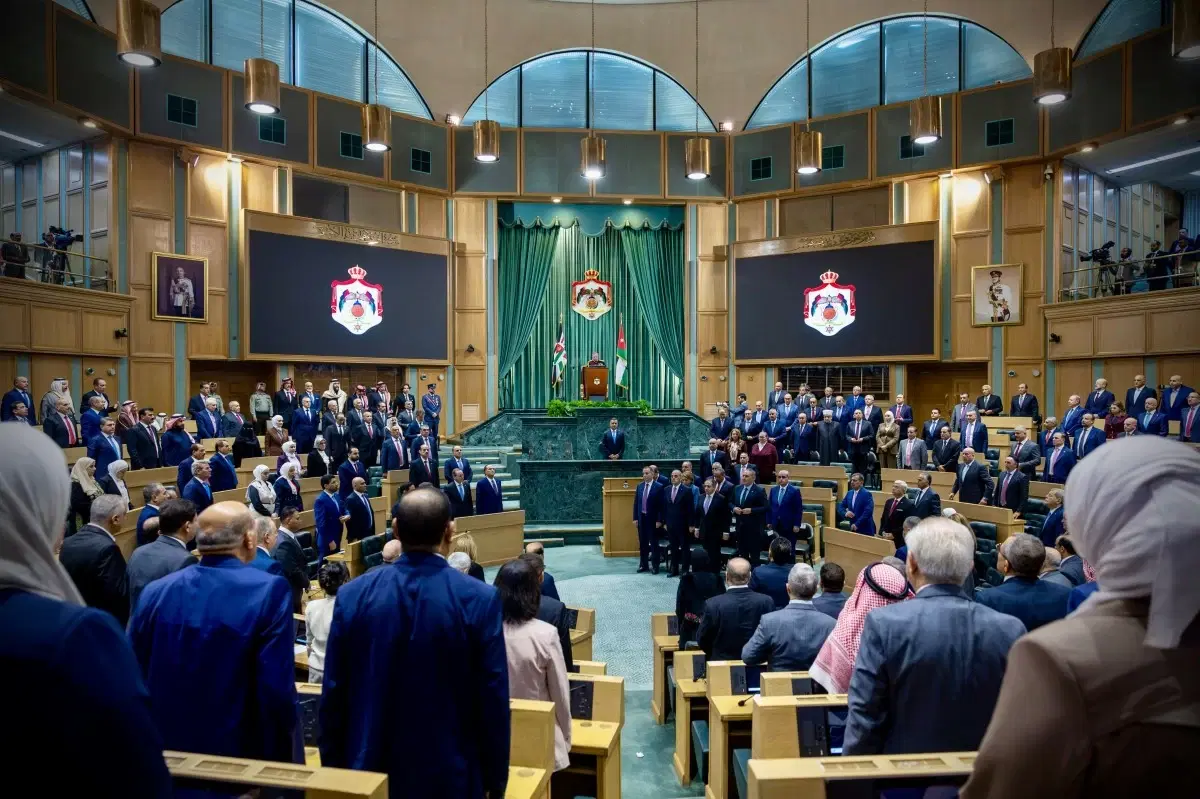
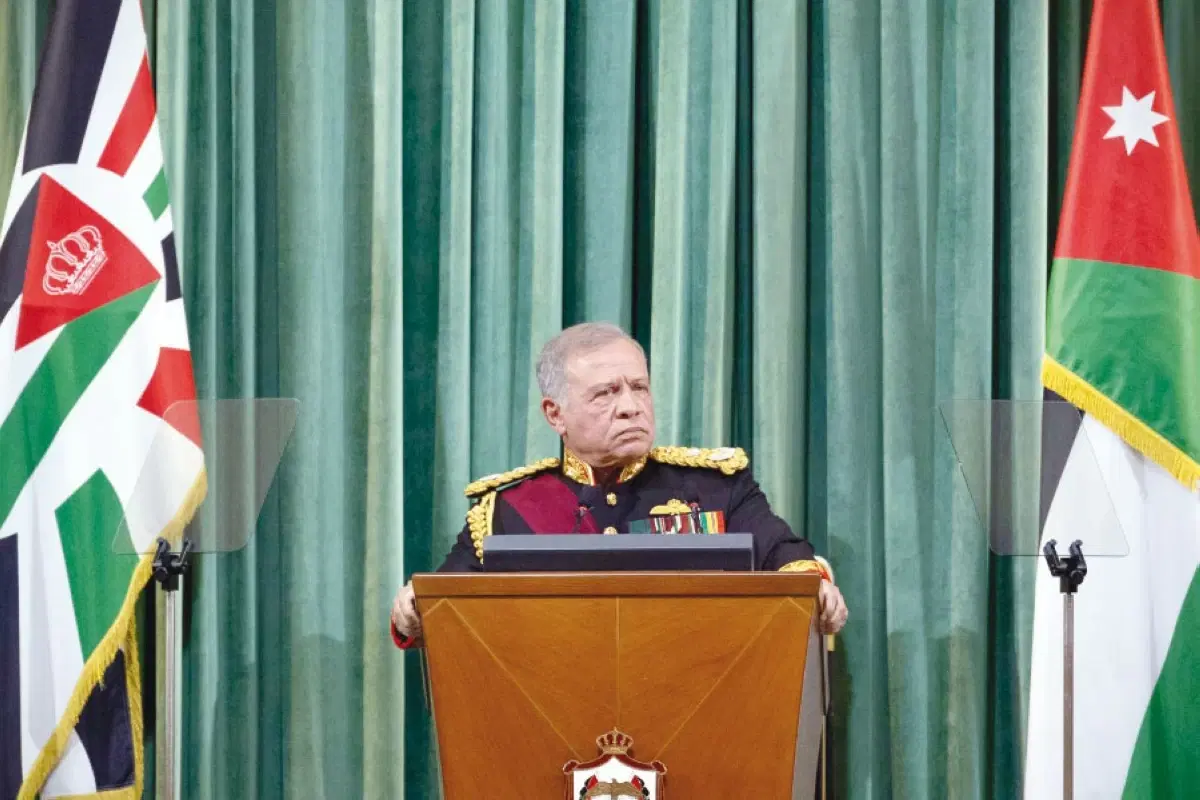
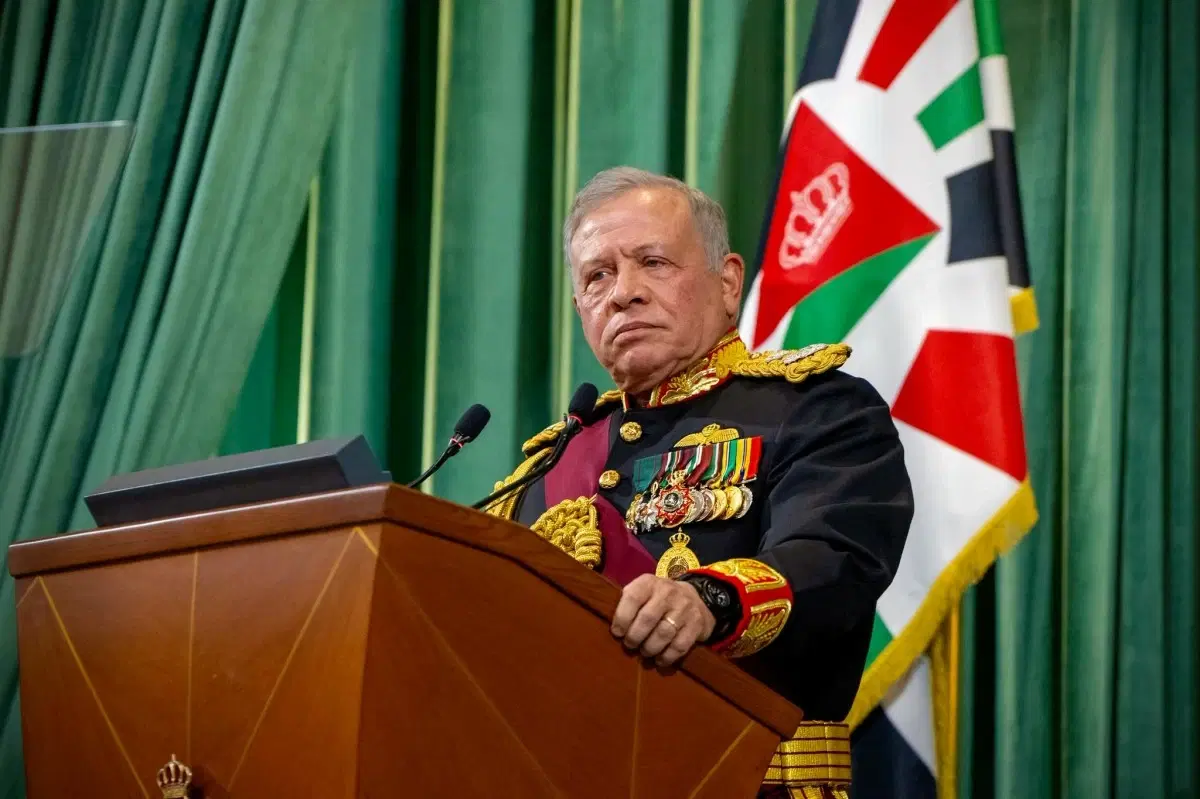
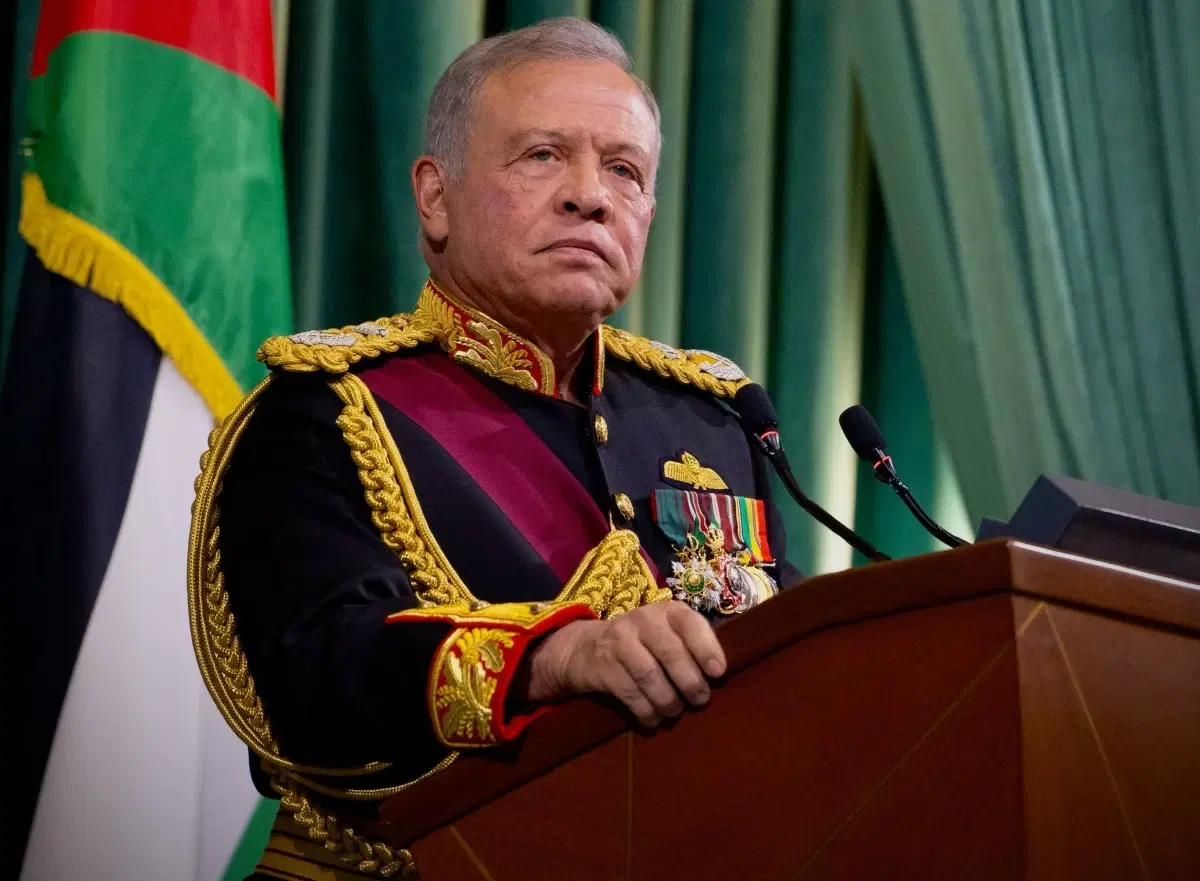
MPs affirmed that the contents of the Speech from the Throne delivered by His Majesty King Abdullah II at the opening of the third ordinary session of Parliament constitute a roadmap for parliamentary work during the coming phase, placing Parliament before its constitutional and national responsibilities in enhancing legislative and oversight performance, strengthening trust in institutions, consolidating the approach of responsible dialogue, and prioritizing the supreme national interest.
They told "Al-Rai" that His Majesty's emphasis that "Jordanians look not only at the laws issued by this chamber, but also at the behavior and discourse that emerge from it," carries profound implications that transcend the council's legislative role, affirming the importance of parliamentary behavior, the language of dialogue, and respect for the opinions of others as fundamental pillars in enhancing the standing of the legislative institution and consolidating citizens' trust in it.
They added that His Majesty's emphasis that "your difference in opinion is a strength as long as the interest of Jordan is the goal," embodies the essence of democratic practice, and confirms that the multiplicity of opinions and differing points of view under the dome represent a source of enrichment for parliamentary work, provided that the disagreement is based on responsible dialogue and recourse to the national interest, away from narrow calculations and personal interests.
MP Hala Al-Jarah, a member of the Reform Party, said that the royal directive in the Speech from the Throne represents a compass and a code of ethics for work under the parliamentary dome, as it shifts the parliamentary focus from the material legislative aspect, represented by enacting laws, to the behavioral and ethical aspect related to practice and discourse.
She added that for Parliament, in both its Chambers of Deputies and Senators, to translate this directive into reality, it requires the adoption of a refined language of dialogue based on facts and aimed at prioritizing the national interest.
She pointed out that His Majesty the King emphasizes that words and behavior under the dome are no less important than the legal text, and that the true influence on the hearts of Jordanians stems from credibility, respect, and recourse to the supreme national interest.
She indicated that this royal phrase embodies the true philosophy of a mature democracy; disagreement under the dome is not a sign of weakness, but rather political health and legislative richness when the intent is pure and the goal is noble, confirming that freedom of opinion in light of the national interest is the best means of dialogue.
For his part, MP Engineer Hussein Kreishan said that the Speech from the Throne is a clear and decisive message, confirming that the prestige of institutions is maintained through performance and positions rather than words, and that the trust of Jordanians is not gained by slogans, but by work, achievement, and assuming responsibility.
He added that His Majesty King Abdullah II bin Al Hussein affirmed, in clear words, that Jordanians do not measure the performance of Parliament only by the laws it issues, but by the behavior, discourse, and practice it reflects that befit the people's trust and the state's prestige.
He pointed out that the Speech from the Throne sets the direction, while Parliament is responsible for legislation, oversight, and accountability, the government is responsible for implementation and achievement, and the citizen is the judge of the results.
He affirmed that difference in opinion is a strength, and responsible dialogue is a necessity, but Jordan's interest must remain above all considerations, far from narrow calculations and interests.
He said that the responsibility is not for the council or the government alone, but a shared national responsibility that requires moving from words to actions, from plans to execution, and from promises to achievements; there is no immunity for performance from accountability, and no value for a decision unless its impact is reflected in the lives of citizens.
In turn, MP Dr. Khamis Atieh affirmed that the Speech from the Throne delivered by His Majesty King Abdullah II at the opening of the third ordinary session of Parliament carried highly important political and national messages, which reflected the clarity of the Jordanian position toward internal and regional challenges and consolidated the state's constants in protecting its security, sovereignty, and supreme interests.
Atieh stressed that the House of Representatives is facing a major responsibility at this stage, represented in reading the contents of the Speech from the Throne as directives for national action, translating them into effective legislative and oversight practices, monitoring the government's performance in implementing the state's priorities, and defending the interests and rights of citizens.
For her part, MP Maisoun Al-Qawab'ah affirmed that the Speech from the Throne of His Majesty King Abdullah II carried clear and direct messages to Parliament, titled national responsibility, improving parliamentary performance, and prioritizing the interest of Jordan and Jordanians over any other consideration.
She said that His Majesty's emphasis that "Jordanians look not only at the laws issued by this chamber, but also at the behavior and discourse that emerge from it," represents a highly important message, confirming that the prestige of Parliament is not created by words, but by responsible performance, respect for the institution, and alignment with the issues of citizens.
She added that the difference of opinion under the dome must be a source of strength rather than a cause for division, as His Majesty the King emphasized, stressing that disagreement is a democratic right, but the nation's interest must remain the compass that guides everyone.
For his part, the head of the Union and Reform parliamentary bloc, MP Zuhair Al-Khashman, said that His Majesty the King's speech was not just a definition of the priorities of the phase, but an affirmation that the state's strength is not measured by the powers its institutions possess, but by the justice of its decisions, the efficiency of its performance, and its ability to protect the rights of citizens and preserve their dignity, and that public responsibility does not derive its value from the position, but from how much its holder provides to the nation and the people.
He added that fulfilling the Speech from the Throne is not done by praising its contents and then returning to the same practices, but by assuming full constitutional responsibility, stressing that royal directives do not wait for the House of Representatives only to express support, but await legislation that preserves rights, oversight that uncovers flaws, and accountability that excludes no one.
He explained that His Majesty the King's emphasis that public office is not an honor that elevates its holder above serving the people, and that the law knows no name, position, or influence, places everyone before a standard that does not tolerate selectivity; a public position is a mandate, power is a trust, and citizens' rights must not be contingent on acquaintances, connections, or influence.