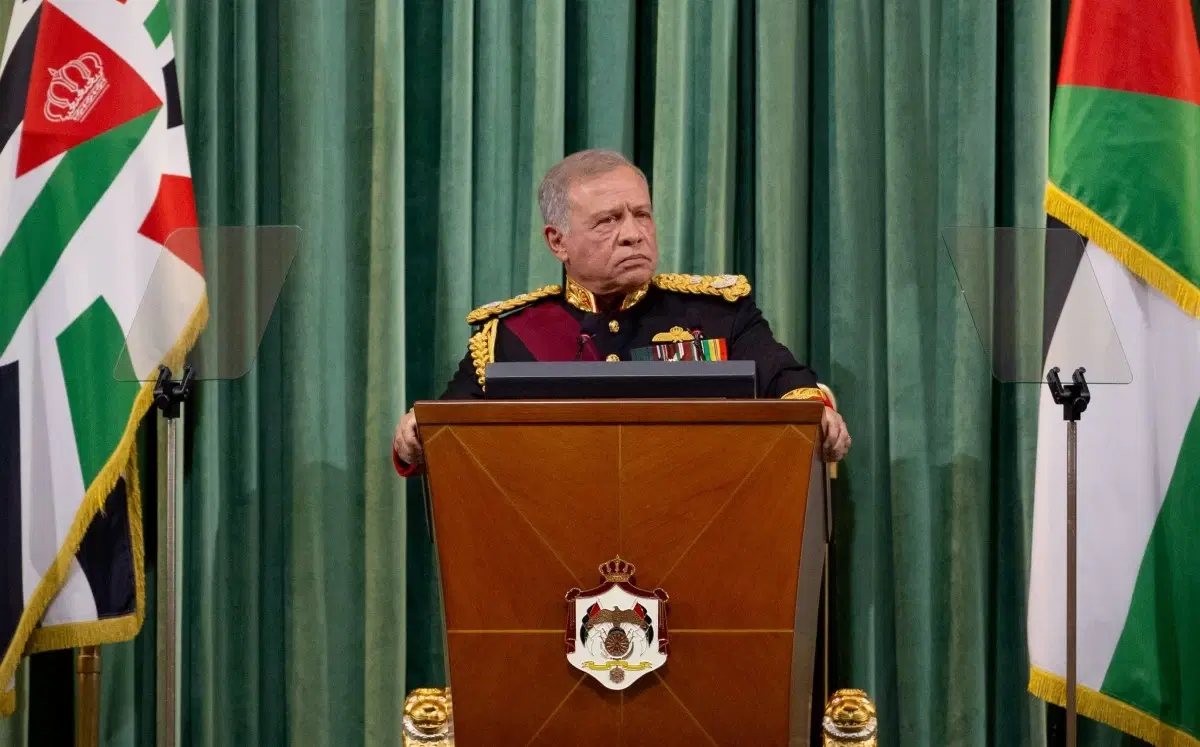
The Speech from the Throne.. The equation of Jordan’s strength and the state’s responsibilities in facing the current phase
Amman12 min read
Share
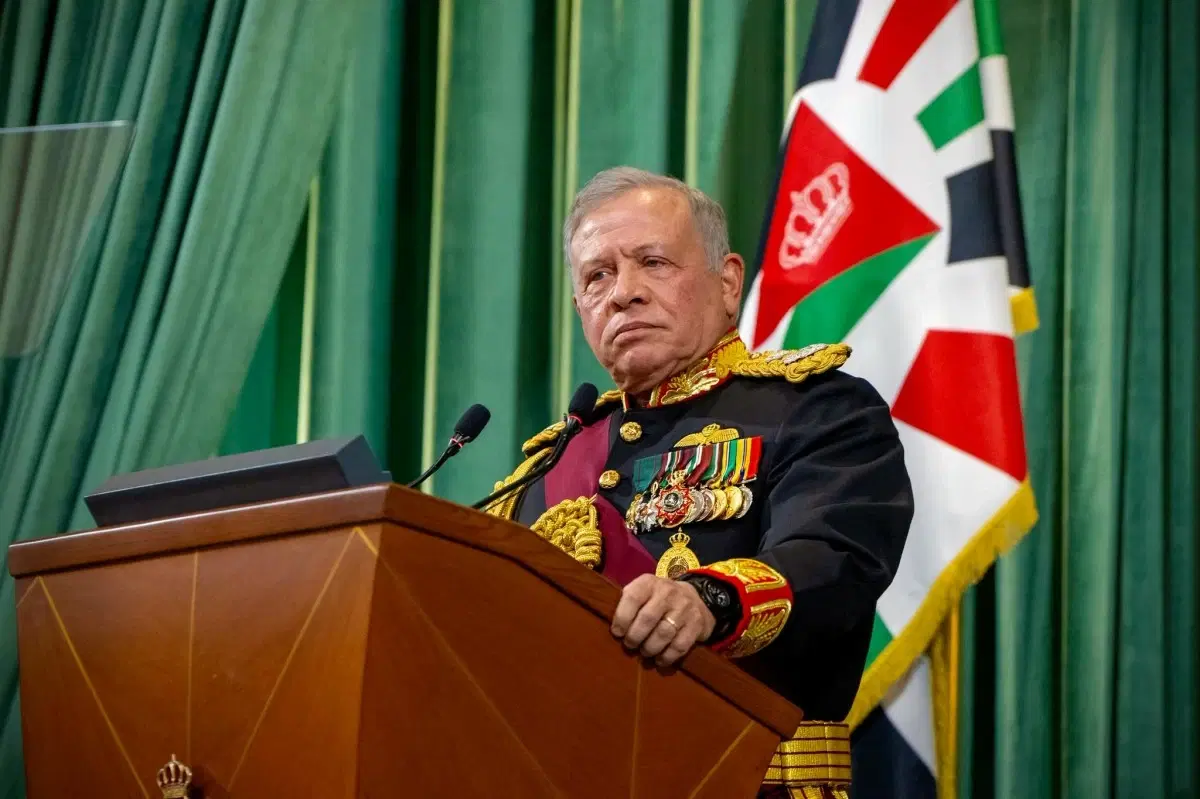
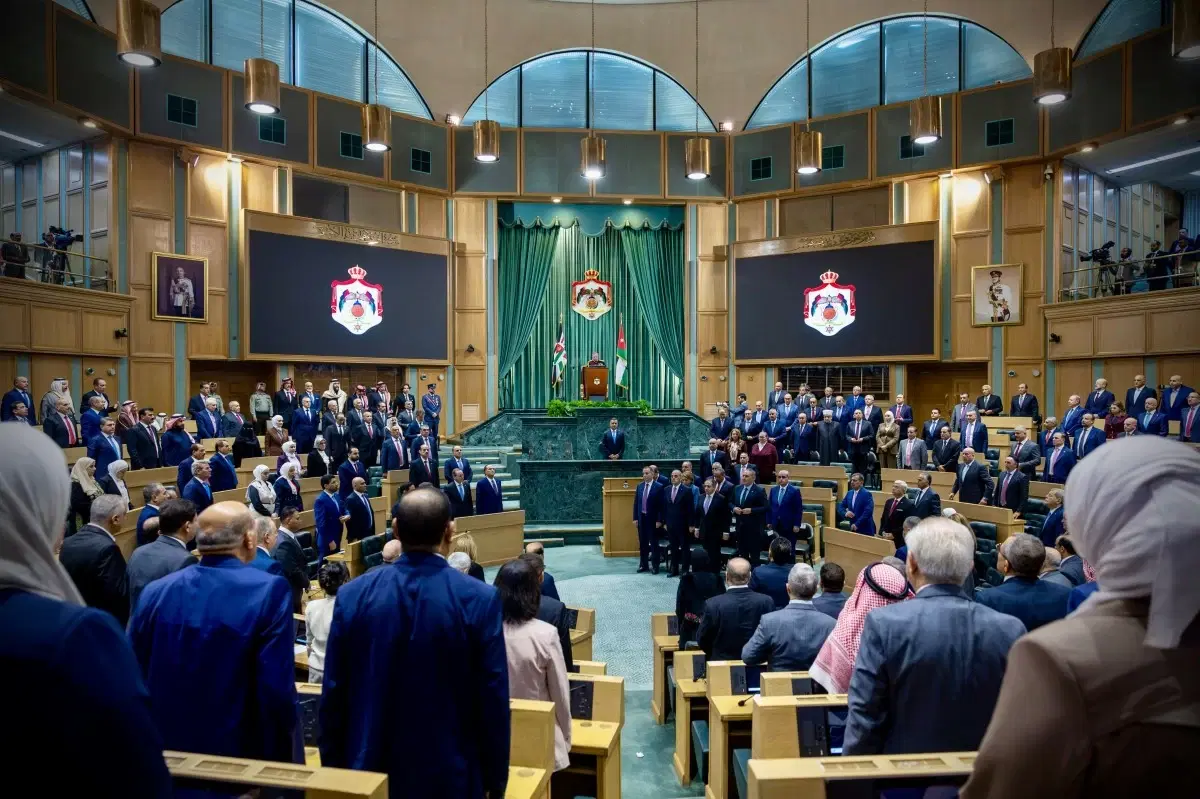
In a regional moment where threats are escalating and projects of hegemony and instability are expanding, the Royal Speech from the Throne came to confirm that Jordan knows its constants, realizes the nature of the challenges it faces, and possesses the will to protect its security, sovereignty, and interests. His Majesty King Abdullah II set before the state and its institutions the equation for the coming phase clearly: a national security that is non-negotiable, a domestic front resilient to infiltration, positions on Arab issues that are not subject to pressure, development measured by its achievements, and a state in which the law is applied to everyone. It is a political message that goes beyond setting priorities to charting the direction of national action, confirming that Jordan’s strength at this stage requires a firm political stance, high security and institutional readiness, and governmental performance that translates vision into results felt by the citizen. It also places the government and Parliament before a direct responsibility, summarized by the fact that protecting the state and strengthening its immunity are inseparable from the efficiency of its institutions and their ability to achieve and respond to the aspirations of Jordanians.
His Majesty’s commencement of his speech by referring to the terrorist attack that targeted Karak Governorate served to confirm that Jordan's security, stability, and national unity represent a red line, and that confronting terrorism and extremism is an ongoing national and sovereign responsibility. The reference to the blood of the Karak martyrs as a trust in everyone’s necks confirms that protecting the homeland requires pursuing those involved and holding them accountable, continuing to dismantle terrorist cells and drying up their sources of funding and arming, in addition to confronting extremist ideology and protecting society from attempts to spread fear and division. The state is required to be vigilant and ready, and society is a partner in protecting its security through awareness, cohesion, and trust in its institutions.
The secret of Jordanian immunity
His Majesty the King summarizes the source of Jordanian strength by saying that the people become more cohesive, insightful, and wise when hardships intensify. This phrase is based on a national experience that has proven that Jordan's ability to face crises is linked to the cohesion of its society, the solidity of its institutions, and the clarity of its priorities. National immunity does not rely on security readiness alone, but on the integration of security, social stability, public trust, and the efficiency of state institutions.
In a region where military and security threats overlap with misinformation and influence campaigns, societal awareness becomes a fundamental element in protecting national security. Hence, the responsibility of official institutions emerges in enhancing communication with citizens, providing accurate information, countering rumors, and consolidating trust between the state and society, in parallel with the continued performance of the Jordan Armed Forces–the Arab Army and security agencies of their duties to protect borders and sovereignty and counter threats.
Jordanians in the eyes of the King.. Awareness, wisdom, and loyalty
His Majesty the King’s talk about Jordanians carries an appreciation for the role of society in protecting the state, and a confirmation that national unity represents a strategic asset in facing crises. The citizens’ awareness, wisdom, and loyalty to the homeland are factors that enhance the ability of institutions to perform their duties and prevent the success of attempts at polarization or inciting divisions.
This trust entails a mutual responsibility; the citizen is required to maintain the cohesion of society and deal consciously with information and positions, while the institutions bear the responsibility of strengthening this trust through transparency, justice, and responding to people’s needs. Furthermore, consolidating societal participation and responsible dialogue ensures that the domestic front remains cohesive and capable of facing regional pressures.
Jordan’s principles.. Firm Arabism and unchangeable positions
The Speech from the Throne reaffirms the Arab identity of Jordanian policy and the role the Kingdom plays in defending the nation's causes and the interests of its brothers. Arab stability represents part of Jordan’s strategic environment, and the security, sovereignty, and territorial integrity of Arab states are factors directly linked to the security and interests of the Kingdom. Hence, the King’s call to enhance Arab coordination, despite the difficulty of reaching a comprehensive consensus, comes from the view that common interests allow for building more cohesive positions in facing challenges.
This vision is embodied in Jordan’s positions towards Palestine, Lebanon, and Syria, and in its emphasis on the need to protect the sovereignty and stability of Arab states, and to develop political, security, and economic cooperation among them. The practical responsibility here lies in continuing diplomatic movement, expanding spaces for Arab coordination, and turning political understandings into cooperation that serves common interests and protects the region from further conflicts.
In contrast, His Majesty the King placed the expansionist ambitions of the Israeli occupation and its ongoing aggression at the forefront of the threats facing the future of the region, reiterating the legitimate rights of the Palestinian people and the establishment of their independent state on their national soil. His Majesty's reference to Israeli delusions carries a deep strategic significance; the first delusion is the belief that tyranny and the use of force can produce lasting legitimacy, the second is betting that time will erase the Palestinian truth and cancel the historical and legal rights of the Palestinian people, and the third is the belief that Jordan might retreat from its constants or accept projects that target Palestine or affect its security and sovereignty.
These delusions collide with the facts of history, geography, and law, and with a firm Jordanian position that rejects displacement, resettlement, and annexation, holds fast to the rights of the Palestinian people, and defends Jerusalem and its holy sites. This message imposes on state institutions the need to continue political, diplomatic, and legal action in international forums, clarify the dangers of Israeli policies to the security of the region, and enhance coordination with Arab countries and international partners in a way that protects Palestinian rights and Jordanian interests. Betting on Jordan retreating from its principles is a losing bet, and the Kingdom’s security, sovereignty, and the rights of its people are constants not subject to bargaining.
Parliament.. A fundamental pillar in the political system
His Majesty the King confirmed the status of Parliament in the Jordanian constitutional system, based on the principle that the nation is the source of powers, placing before it the responsibility of representing citizens, legislation, and oversight at a level commensurate with its constitutional position. The effectiveness of the legislative institution is measured by its ability to turn the needs of society into laws and policies, oversee the government’s performance, and contribute to developing political and economic life.
The King’s call to the members of the Council to elevate their behavior and rhetoric under the dome carries a message related to the citizens’ trust and the image of constitutional institutions. Parliamentary disagreement should enrich public debate and improve decisions, and remain governed by the national interest and respect for the constitutional position. The practical responsibility of the Parliament lies in developing legislation, strengthening oversight on the implementation of policies and programs, and reviewing the impact of laws on citizens' lives, away from personal calculations and narrow considerations.
Most importantly, the speech links parliamentary work to the citizen's interest, which requires the Council to make the quality of legislation, the effectiveness of oversight, the improvement of services, and the protection of rights the fundamental criteria for evaluating its performance, and to be a true partner in the path of modernization and reform.
Development is not just numbers and slogans
His Majesty the King set before the government a direct criterion for measuring the success of economic and development policies, represented by their impact on the lives of citizens, and what they achieve in education, health, services, job opportunities, and the standard of living. This approach shifts performance evaluation from the volume of plans, allocations, and announced projects to actual results, and links governmental responsibility to its ability to improve living conditions, enhance productivity, and expand economic opportunities.
This vision requires accelerating the implementation of major projects, removing obstacles to investment, raising the efficiency of public spending, and linking economic programs to measurable goals, while distributing the fruits of development among governorates and social groups. It also imposes on the government the need to set clear priorities, follow up on implementation periodically, and announce results and challenges, so that achievements become the benchmark for judging performance efficiency.
The water file emerges in the speech as a sovereign priority related to national security and the future of development. Limited resources, high demand, climate change, and regional pressures make water security an issue that goes beyond the limits of service provision to protecting economic and social stability. Therefore, the government's responsibility lies in accelerating strategic water projects, diversifying supply sources, reducing waste, improving usage efficiency, protecting resources from depletion, and setting contingency plans that ensure the sustainability of supplies. Water security is linked to food, health, and productive security, and any imbalance in it reflects on the state's ability to continue development and protect the needs of its citizens.
The law is above everyone.. and responsibility is a mandate
His Majesty the King linked the strength of the state to consolidating the rule of law and accountability, confirming that public service is a mandate and a responsibility, and that the position is a means to serve citizens and not a personal privilege or immunity from accountability. This message carries a clear direction to the public administration that the criterion for responsibility is achievement, integrity, and the ability to achieve the public interest, and that the law applies to everyone without exception.
The practical responsibility lies in turning this directive into a fixed institutional practice, through activating oversight tools, combating favoritism and nepotism, holding those who fall short accountable, protecting public money, and linking job evaluation to results and efficiency. Consolidating the rule of law also requires ensuring the fairness of procedures, equal opportunities, and transparency of decisions, so that the citizen feels that their rights are protected and that influence does not provide protection to those who misuse power.
Enhancing citizens' trust in public administration is linked to the fair application of the law, the clarity of responsibilities, and holding officials accountable for what they achieve or fail to accomplish. This is the foundation that makes administrative reform a practical path reflected in the quality of services and the efficiency of institutions.
An Open Mind and Devotion to the Land
His Majesty the King emphasized the importance of responsible opinion and participation in public affairs, stressing the need for an open mind in the face of disagreement within a framework of respect and concern for the national interest. This message carries an affirmation that societal participation is a fundamental element in developing public policies and strengthening trust between the state and the citizen, and that responsible dialogue allows for the correction of decisions and the identification of society's needs and aspirations.
Institutions bear the responsibility of providing an environment that allows for expression and participation, listening to observations and suggestions, and treating them as an input for improving performance. Political, media, and societal forces also have the responsibility to practice disagreement responsibly, away from incitement and misinformation, while preserving the citizens' right to expression and safeguarding the national interest.
As for the King’s talk about Jordanians' devotion to their land, and them being his people, his kin, and a trust around his neck, it expresses the depth of the relationship between the leadership and the people, and places national belonging within a framework of trust, loyalty, and shared responsibility. Translating this relationship into public policies remains contingent upon improving citizens' lives, preserving their dignity, providing opportunities for them, and enhancing their participation in shaping the future of their homeland.
A Speech that Outlines Priorities and Defines Responsibilities
The 2026 Speech from the Throne draws a clear roadmap for the priorities of the Jordanian state, beginning with protecting national security and confronting terrorism, based on the unity of the internal front, adhering to Arab constants and the position on the Palestinian cause, and defining the responsibilities of Parliament and the Government in legislation, oversight, and development, ending with an emphasis on the rule of law and responsible participation. Connecting these axes is a fundamental link: the strength of the state is not achieved through slogans or positions alone, but through the ability of its institutions to translate vision into policies, decisions, and achievements.
The coming phase requires the government to produce tangible results in the economy, services, and strategic projects; the Parliament to enact legislation and conduct oversight that keeps pace with societal needs; security and military institutions to continue protecting the homeland; and public administration to commit to efficiency, integrity, and accountability. It also requires Jordanian diplomacy to continue defending national and pan-Arab constants, and to expand Arab and international coordination to confront threats targeting the region.
The political value of the speech lies in the fact that it sets priorities, places responsibilities before those who hold them, and makes the citizen the standard for judging the success of public policies. Security needs strong institutions and a cohesive internal front, firm positions need effective political presence, development needs implementation and accountability, and reform needs a law applied to everyone. It is the equation of Jordan’s strength: constants that protect the national decision, institutions that preserve the state, popular will that reinforces its resilience, and achievements that confirm that protecting the future begins with the responsibility of working in the present.