Launch of the Um Al-Jamal Tourism and Cultural Festival
Amman5 min read
Share
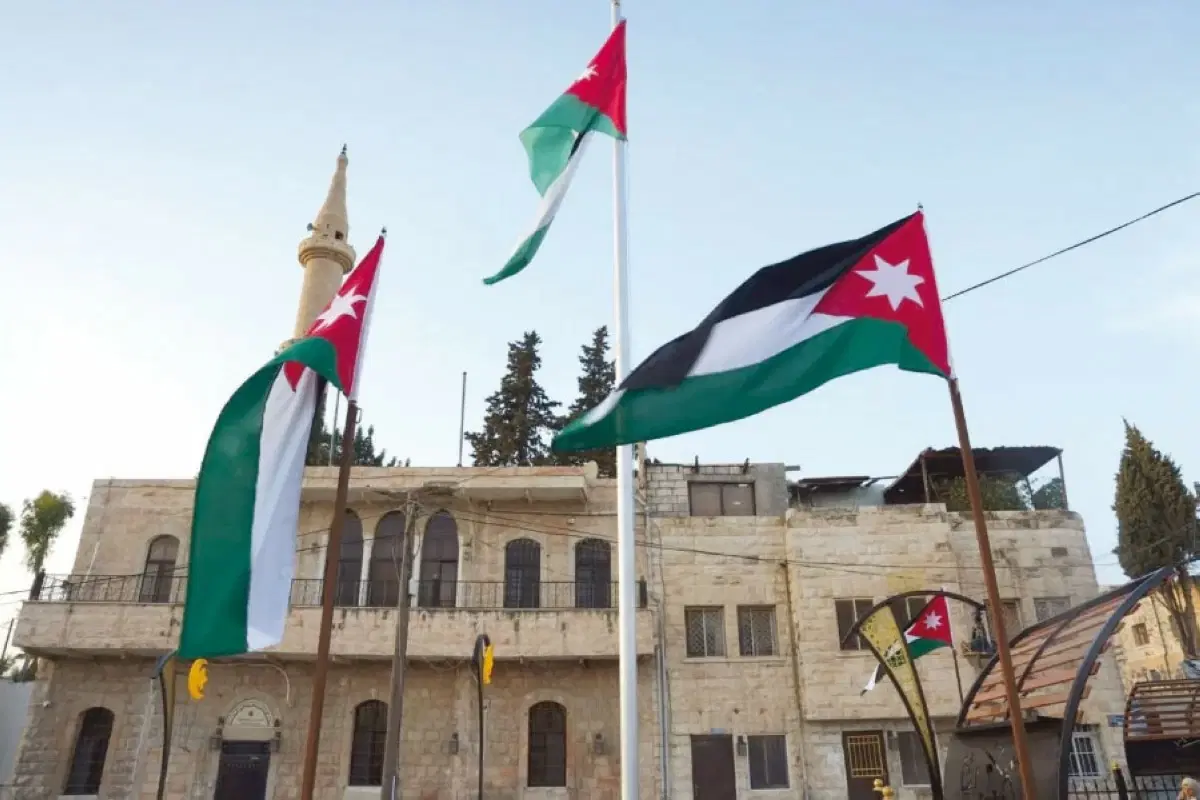
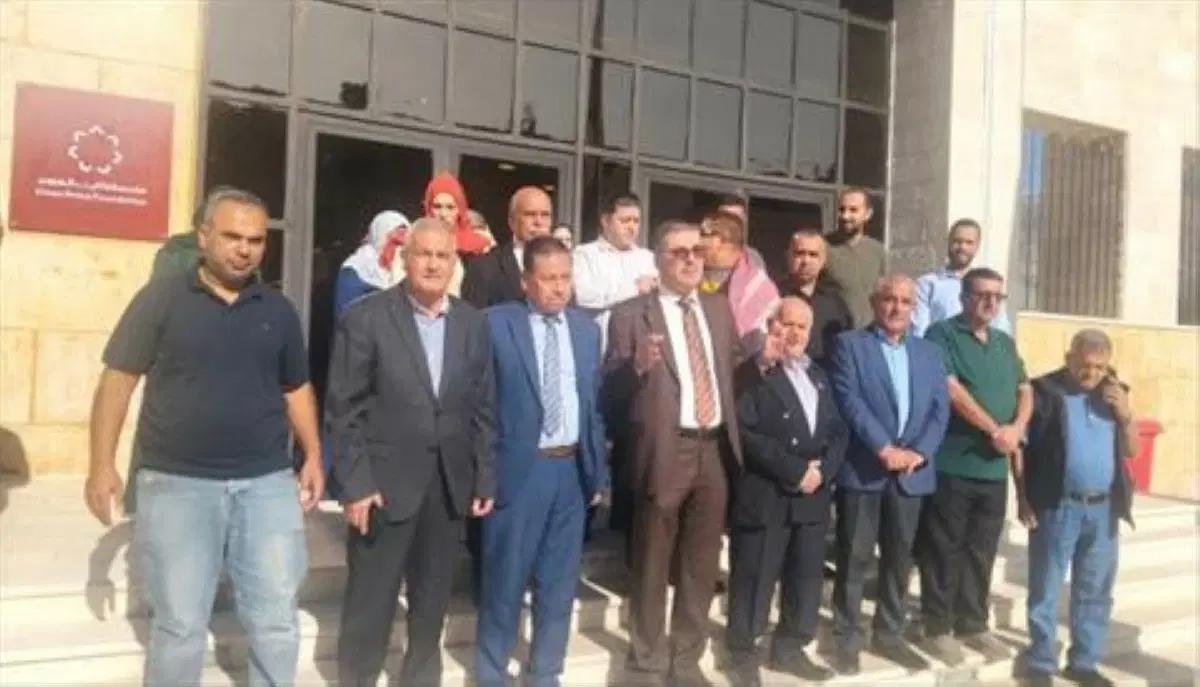
The Director General of the General Department of Antiquities, Dr. Fawzi Abu Dneh, on behalf of the Minister of Tourism and Antiquities, inaugurated the Um Al-Jamal Tourism and Cultural Festival today, Friday, in the presence of a large official and popular audience.
Abu Dneh said that the Um Al-Jamal Tourism and Cultural Festival, organized by the Ministry of Tourism and Antiquities, is part of the program to celebrate World Tourism Day, emphasizing that tourism in all its types and classifications is one of the most important economic sectors, and forms an important lever for national income, and provides, in addition to providing many job opportunities.
He added that cultural tourism tops the list of tourist interests, which includes visiting museums, archaeological sites, and learning about the history and cultures of peoples and their customs, pointing out that Jordan, which has been inhabited by humans since ancient times, is rich in its archaeological sites, as it contains about 100,000 archaeological and tourist sites throughout the country, of which about 15,000 sites are officially registered in the database of the General Department of Antiquities and the National Register.
Abu Dneh pointed out that there are seven sites that have been included in the UNESCO World Heritage List, including Petra, Qasr Amra, Um Al-Rasas, Wadi Rum, Al-Maghtas (the site of the baptism of Jesus Christ), the city of Salt (the city of urban tolerance and hospitality), and the archaeological site of Um Al-Jamal, noting that the importance of including any archaeological/tourist site lies in the protection of this monument as part of the world's memory and human wealth, which provides it with opportunities for maintenance and restoration by international expertise, training programs and support, and forms a quality mark to attract tourists, and feed the wheel of production and economic and service facilities, which reflects on the development of the local community.
He pointed out that such inclusion enhances the value of pride in the place and the national cultural identity, and in raising awareness of the importance of the monument, history, stories and tales that revolve around it, and documenting them to enhance the Jordanian narrative program launched by His Highness Crown Prince Al-Hussein bin Abdullah II, from the Hashemite city of Tafila to document the cultural and historical heritage, noting that the Ministry has organized a number of dialogues in all governorates, and will organize a dialogue in the capital Amman tomorrow, in addition to the Ministry's establishment of the "Stories from Jordan" platform, to enable the community to document their stories and tales.
Abu Dneh explained that Um Al-Jamal is one of the most important narratives related to documenting the story of the place in the northeastern Badia region, which was characterized by its basalt architecture, and was a passage and headquarters for trade in a different era, and represents the patterns of its architecture on the eras of civilization, cultural colors, and the system of beliefs that the inhabitants of the place believed in, where the Nabataean inscriptions written in Nabataean and Greek languages and the archaeological pieces discovered in the place reveal a deep insight into the history of the place.
He pointed out that the organization of this festival, with its heritage periods, and the holding of a bazaar of traditional works and popular industries, will link the deep past of the place with the prosperous present, forming a civilizational bridge that extends between generations, and enhances in their minds the values of belonging to the place.
The former mayor of Um Al-Jamal, Hassan Al-Rahiba, said that Um Al-Jamal is not silent stones but an open book of history, where civilizations have succeeded each other, and the Nabataean, Roman, Byzantine, and Islamic narrative have intertwined, and the basalt architecture has remained a witness to the human ability to adapt, build, and continue, as its inscriptions in multiple languages tell pages of the history of the place and its inhabitants.
He explained that the inclusion of Um Al-Jamal on the World Heritage List in 2024 was not just a celebration of an archaeological site, but a global recognition of the value and uniqueness of this place, noting that heritage that does not turn into sustainable development, job opportunities, and economic life for the people of the region remains a heritage preserved in books more than it is present in the lives of people.
Al-Rahiba stressed the need to turn Um Al-Jamal into an integrated tourist destination that includes facilities worthy of its global value, a developed visitors' center, clear tourist routes, restaurants and rest areas, crafts and local products, and real opportunities for young people, women, and members of the local community, pointing out that we want tourism that protects the stone and does not consume it, develops the place and does not deform it, opens the doors of livelihood for its people, and links Um Al-Jamal with the northern Badia and Jordanian tourist routes, which is consistent with UNESCO's concept of sustainable development for world heritage, where well-managed tourism can contribute to the protection of the site and support the local economy and communities.
Al-Rahiba recalled Jordan's presence in the world and the voice of Jordan that King Abdullah II carried to the 81st session of the United Nations General Assembly, where His Majesty affirmed Jordan's steadfastness, adherence to its security and interests, and the values and principles that this homeland believes in.
The first day of the festival, which lasts for two days, included the opening of a bazaar of traditional popular products and artistic performances by the Al-Lozeen band, in addition to segments by the Bal'ama "Al-Samir" band.