Rawashdeh stated that voluntary work constitutes a pillar in strengthening belonging, solidarity, and consolidating social responsibility, recalling the "Awnah" model in Jordanian folk culture, where villagers used to cooperate during harvest and picking seasons and building houses, in an image that embodies the authenticity of solidarity and mutual support in Jordanian society. Rawashdeh cited the words of His Royal Highness Crown Prince Al-Hussein bin Abdullah II regarding the role of voluntary work in building an active citizen and a cohesive society, stressing the importance of instilling these values in youth and expanding their participation in initiatives that serve the community.
Rawashdeh welcomed the launch of the fourth cycle of the award in its various categories and fields, which include sports, environment, entrepreneurship, innovation, and artistic and cultural fields, expressing his aspiration for qualitative initiatives that enrich the cultural scene and contribute to serving the community and inspiring generations.
He emphasized the importance of integration between the Ministries of Culture and Youth and community institutions in expanding the base of voluntary participation, reaching local initiatives in the governorates, and highlighting successful experiences to enhance the sustainability of their impact.
For his part, Al-Adwan said that the award embodies the Crown Prince's interest in supporting voluntary initiatives, motivating individuals, teams, and institutions to serve the community, and enhancing youth participation in public work, in line with the Hashemite approach to serving humanity.
He added that the Ministry of Youth is working, through the fourth cycle, to develop the voluntary work system on institutional foundations and expand partnership with official institutions, the private sector, and companies, providing broader opportunities for youth to participate in and sustain voluntary initiatives.
Al-Adwan pointed to the importance of cooperation with the Ministry of Culture and cultural bodies and institutions to reach artistic and heritage initiatives in various governorates, document volunteers' experiences, and highlight their impact, in addition to developing training programs, linking voluntary work with qualification and capacity building, and providing opportunities to acquire skills and expertise in various fields.
He called on cultural bodies, associations, youth, and teams working in artistic and heritage fields to participate in the fourth cycle, emphasizing the importance of integrating institutional efforts to develop cultural voluntary work and enhance its impact on society.
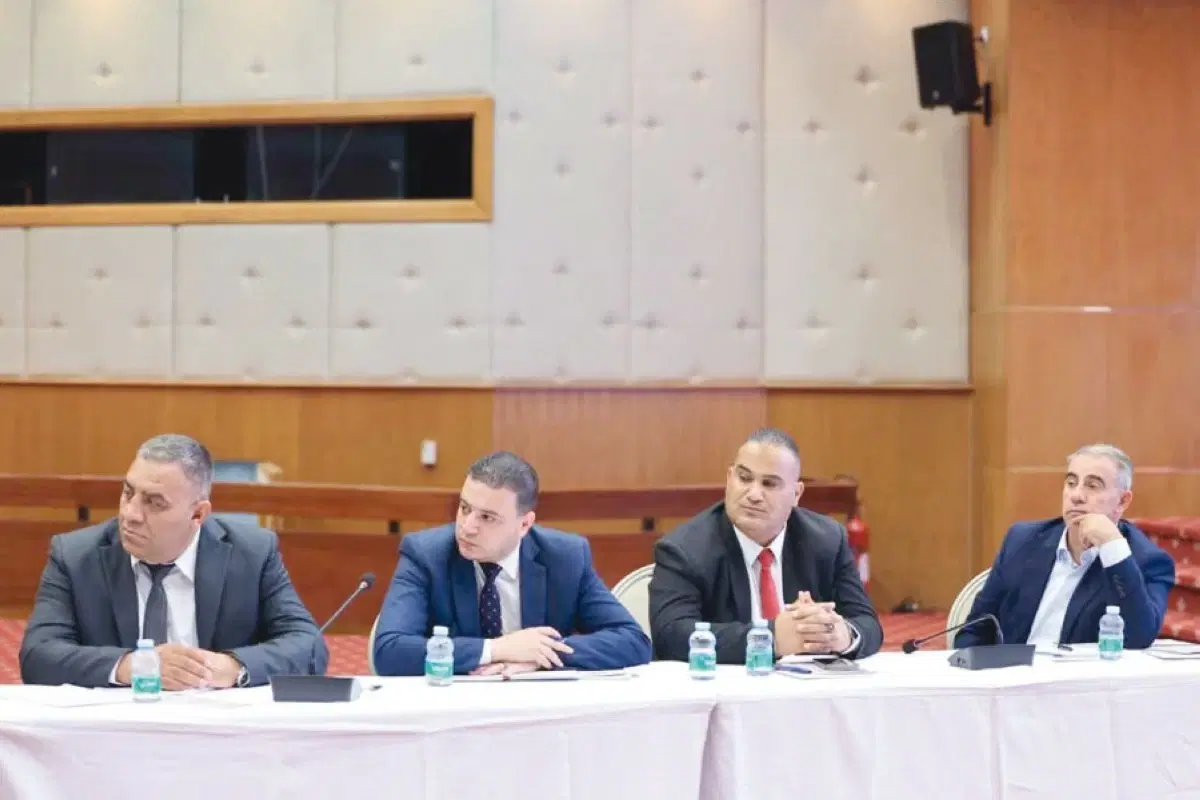
The session included an introductory presentation on the award's goals and its four categories: individuals, voluntary teams, for-profit institutions, and non-profit institutions, in addition to the nomination conditions, registration mechanisms, and evaluation, which are based on criteria including the initiative's impact and its responsiveness to community needs.
The fourth cycle witnessed an improvement in nomination procedures, including simplifying application questions and providing a smart assistant to answer inquiries, in addition to providing direct communication channels with the award organizers, with the aim of facilitating applications, encouraging participation, and highlighting success stories.