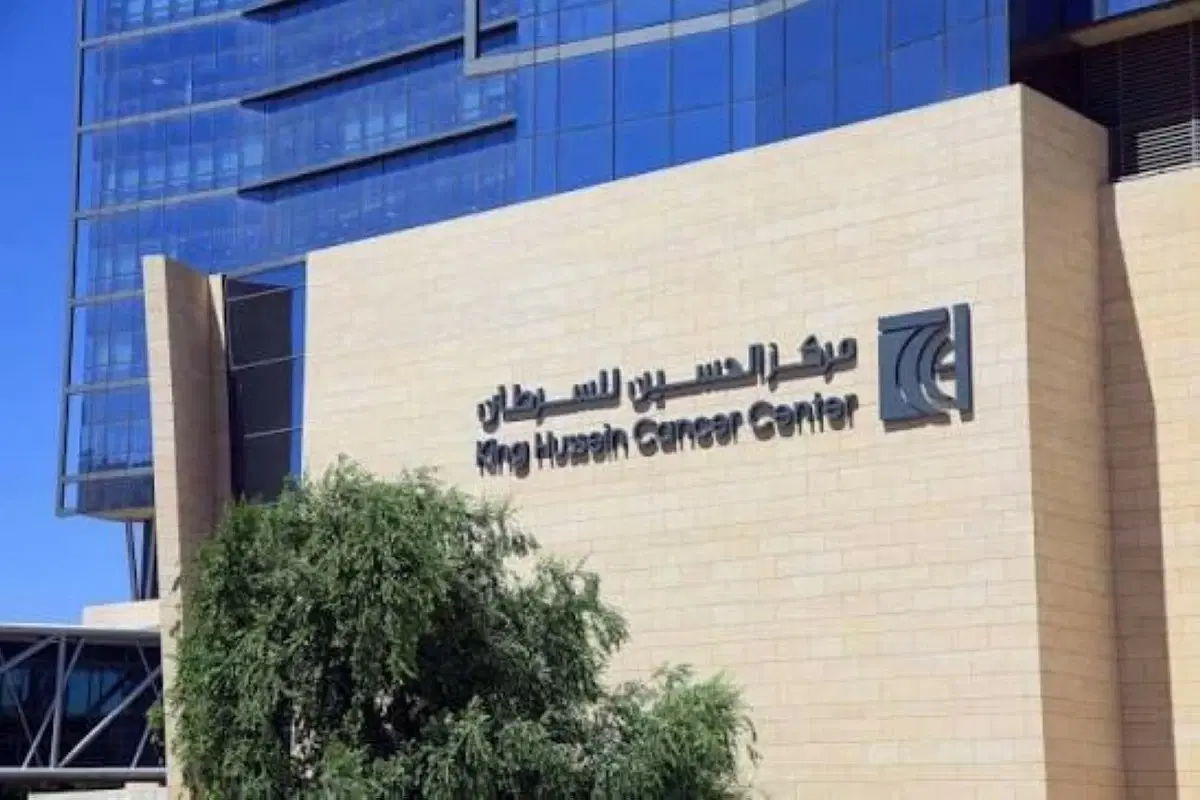
In health issues, the value of initiatives is not measured only by what they provide, but by their ability to reach those who need them. The mobile clinic project embodies this approach by making screening and early diagnosis services available in the southern governorates.
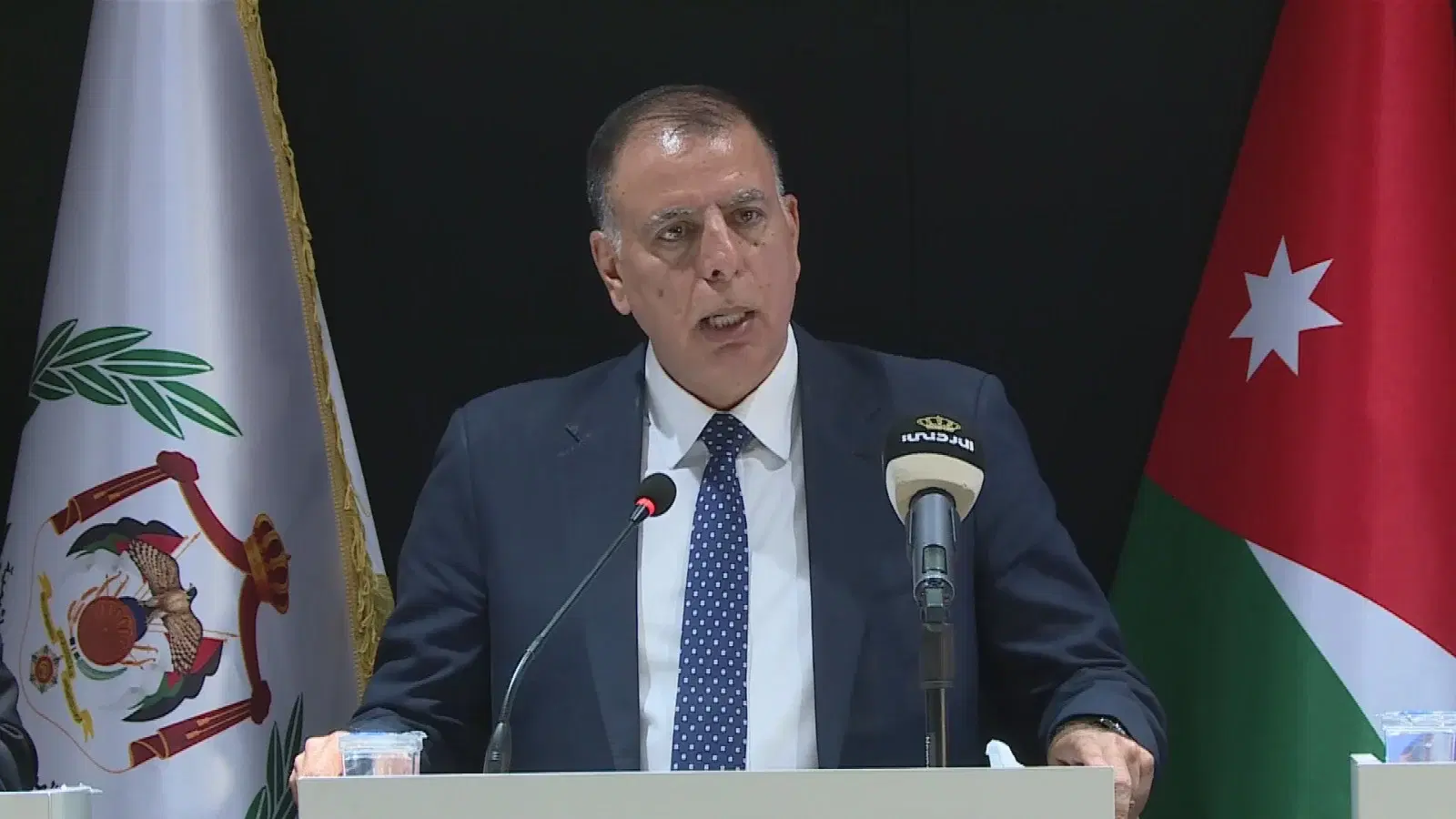
The project comes within the framework of the strategic partnership between the Foundation and the Company, and under the agreement signed between them, by which the Jordan Phosphate Mines Company has become a strategic partner in supporting the project, contributing to enhancing early detection services and expanding the scope of beneficiaries in the southern governorates.
The company's support stems from its national and social responsibility, and its belief in the role played by the King Hussein Cancer Foundation in providing comprehensive care for cancer patients, in addition to its keenness to continue supporting the Foundation in implementing its plans aimed at expanding the provision of healthcare and treatment services to patients in various regions of the Kingdom.
The project targets about 334,000 women in the southern governorates and allows about 700 women to undergo "mammogram" examinations according to high quality standards, through a mobile clinic that tours the four governorates.
The contribution of the Jordan Phosphate Mines Company includes providing the King Hussein Cancer Foundation's mobile clinic with a "mammogram" breast imaging device, enabling it to reach women and conduct examinations for them in the southern governorates.
The project is not limited to screening, as it includes awareness and community activities to promote the importance of early detection and encourage women to undergo periodic examinations, in addition to supporting the capabilities of local health and community cadres, enhancing health awareness and education efforts, and providing reliable data that contributes to planning and formulating health policies related to early breast cancer detection.
This partnership reflects the importance of integrating national efforts to support health initiatives with a direct impact on society. The contribution of the Jordan Phosphate Mines Company to this project represents a model of partnership in serving the community, supporting the expansion of early detection services and strengthening health efforts in the southern governorates.
At the heart of the project, the idea remains simple and humane: for the service to reach the woman, and for distance not to be an obstacle to her obtaining the examination. Hence the value of the mobile clinic, which brings the service closer to women and opens up the opportunity for them to access early detection in the southern governorates.