Interior Minister reveals details of identifying and apprehending the perpetrators of the Karak terrorist operation
Amman6 min read
Share
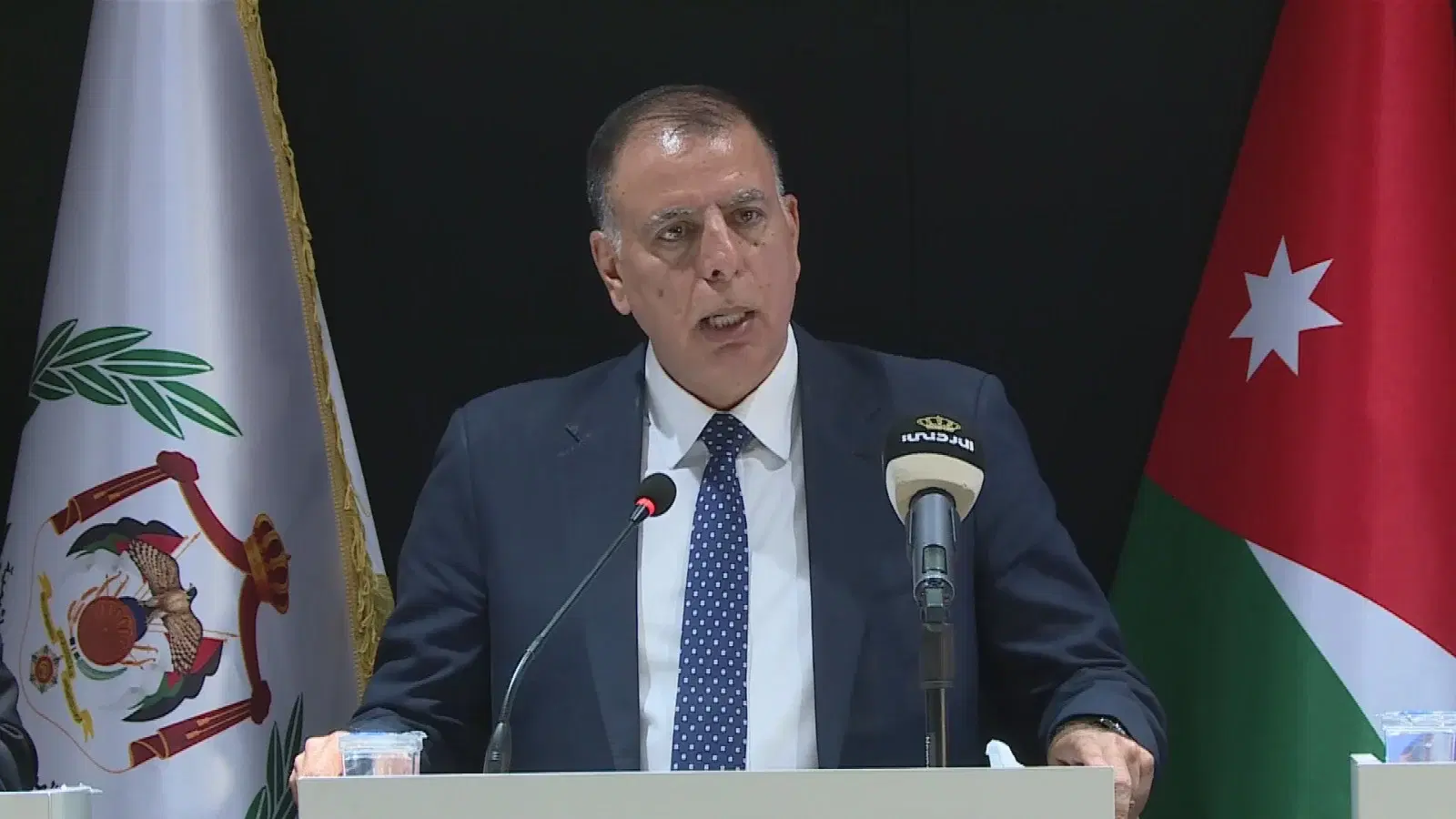
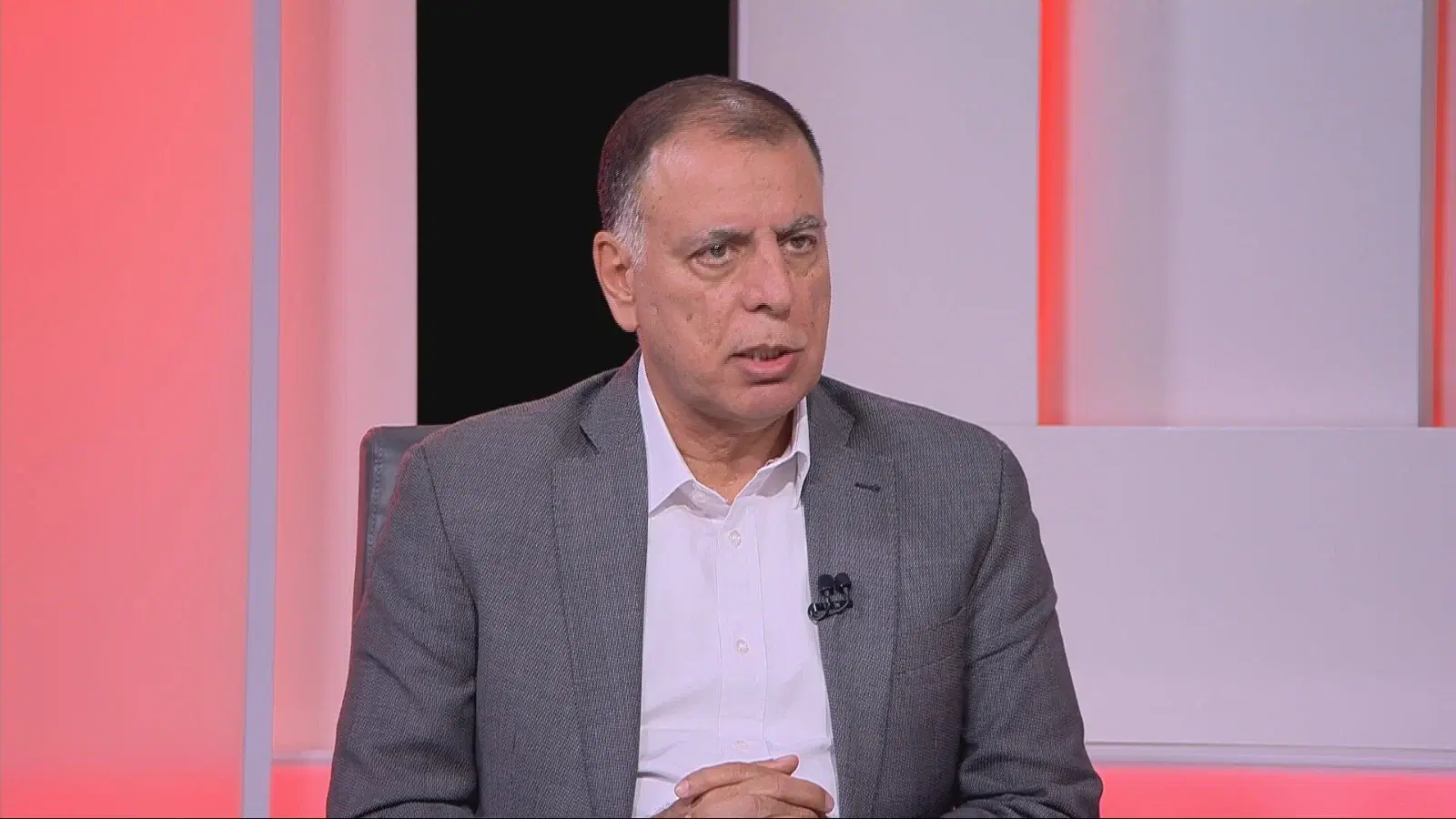
Interior Minister Mazen Al-Faraya revealed that security services identified the perpetrators of the attack that targeted a funeral in Karak Governorate from the very first day, based on surveillance camera recordings, before tracking operations and information gathering led to finding them in an abandoned house and apprehending them alive after a clash that lasted about an hour and a half to two hours.
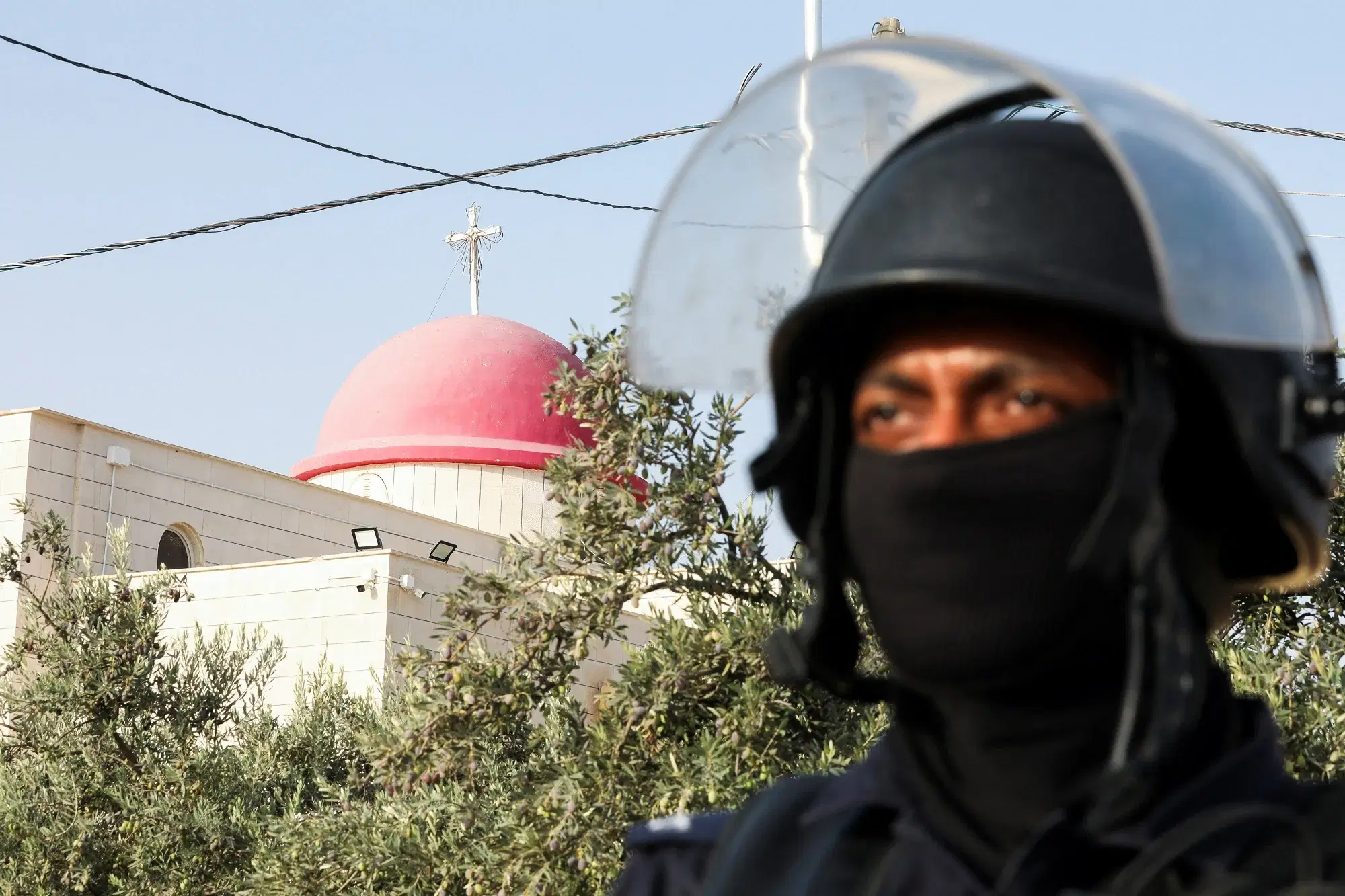
The attack, carried out by three people with firearms, resulted in the martyrdom of 9 people and the injury of 40 others, in a crime described by Al-Faraya as unprecedented, heartbreaking, and horrific, which shook Jordan and met with widespread international condemnation.
Church camera led to identifying the perpetrators
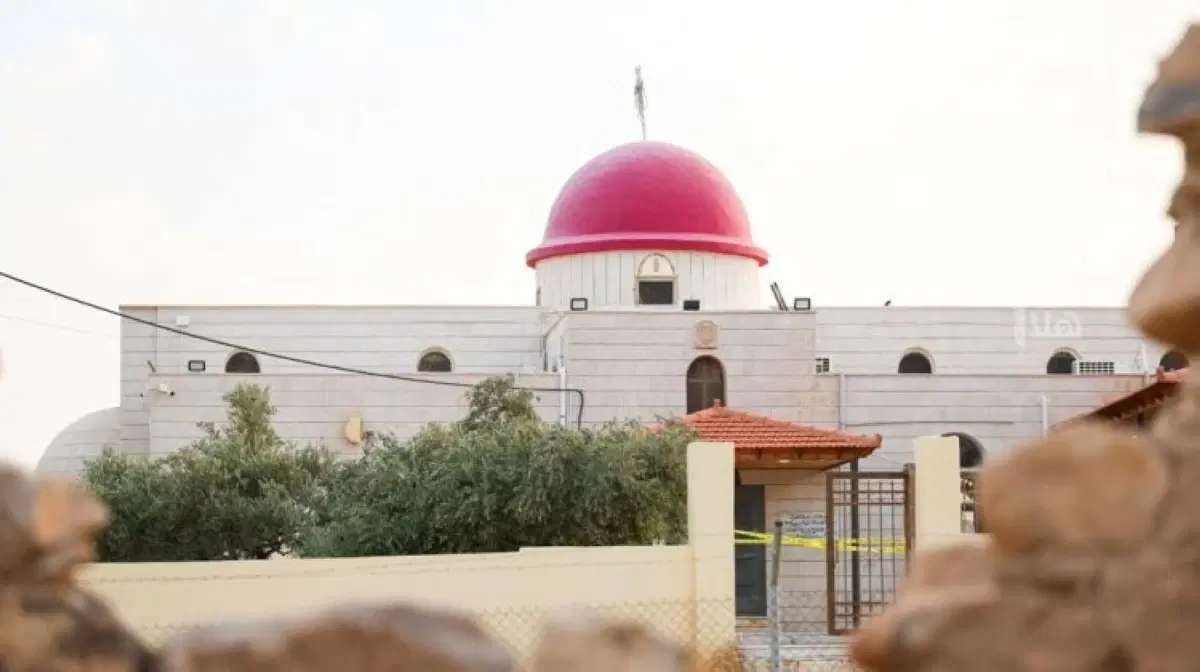
According to Al-Faraya, security services began gathering information from the church's camera recordings, which allowed for the identification of the people appearing in them from the first day, then tracking their movements, communications, and the people they met during the recent period, in parallel with utilizing human and technical sources.
Security services quickly cordoned off the area, deployed their forces, and set up checkpoints to prevent the perpetrators from leaving, which narrowed their movement options toward other areas, including Qatraneh, Madaba, and Al-Qasr.
Search operations extended to sites, valleys, and desert areas, with the participation of Royal Air Force aircraft, including the Caravan plane and drones, within the framework of joint coordination between security services. Information and observations provided by citizens were also subject to verification and follow-up, while raids continued successively.
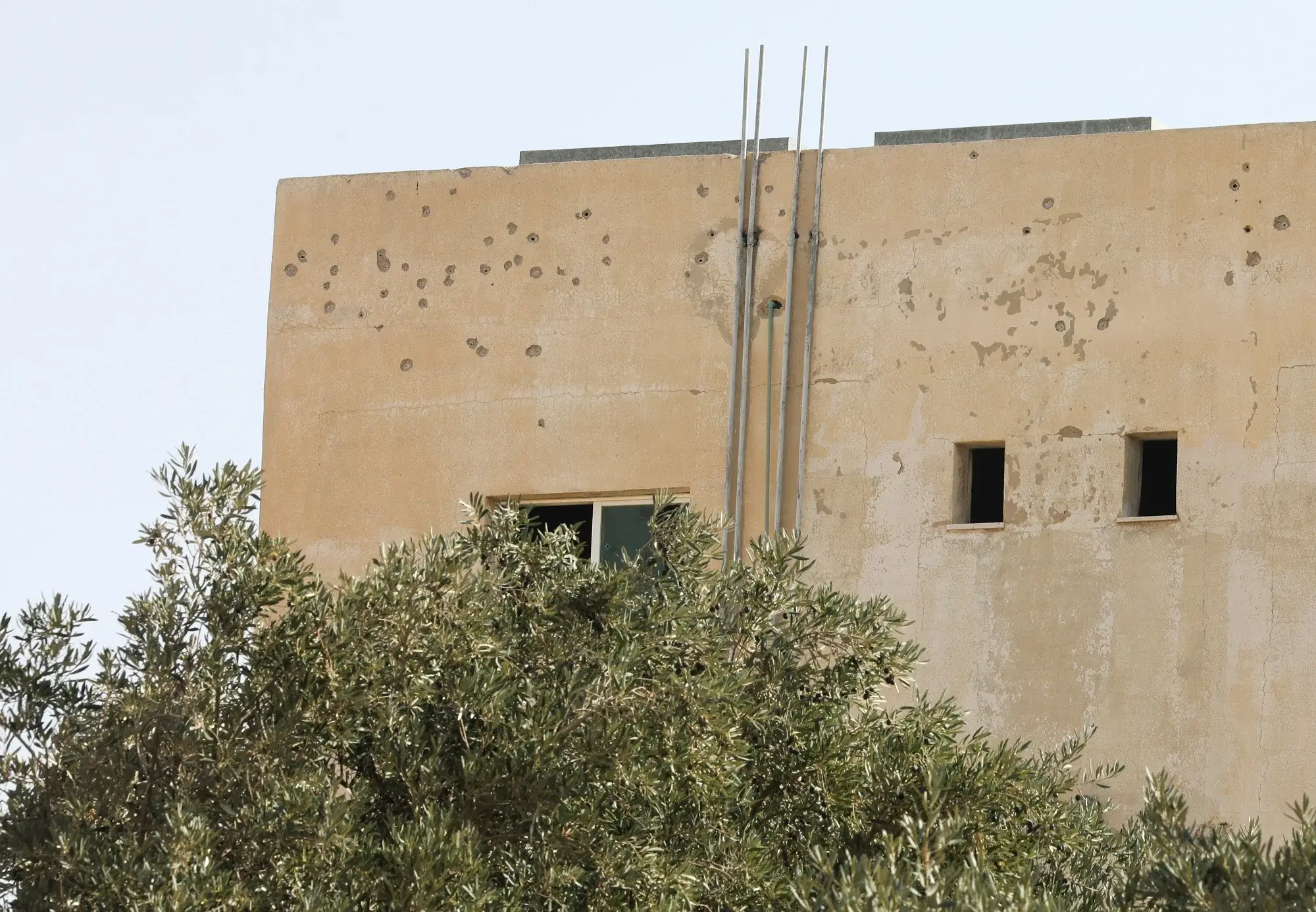
Accumulated information led security services to believe the perpetrators remained within the area, so they began searching empty houses in the village where they were found, and the operations ended with locating them inside an abandoned two-story house, where they were on the second floor.
Clash ends with the apprehension of the perpetrators alive
The perpetrators initiated gunfire at the security force as soon as they were found, and they confronted the force with gunfire that Al-Faraya described as fierce. The services used drones to monitor and identify them, while available indicators reinforced the belief that they were the wanted individuals.
Apprehending the perpetrators alive was the goal of the security force from the beginning of the raid, but without endangering its members, according to Al-Faraya, who confirmed that the operation ended with the arrest of all of them alive, despite their serious injuries.
Two of them continued to resist for a while before stopping, while the third continued to resist, and the total duration of the operation was about an hour and a half to two hours, followed by clearing and search operations.
Smuggled weapons and prior planning for the attack
Regarding the circumstances of the attack, initial indicators, according to Al-Faraya, showed prior planning and preparations to carry out an act at a specific time, including obtaining weapons that were proven to be smuggled, and holding meetings and coordination regarding vehicles, weapons, roles, and escape routes after the attack.
Investigations are focusing on identifying the party that smuggled the weapons, and whether they were smuggled specifically to the perpetrators or into the Kingdom in general with the intention of using them for harmful acts. They are also investigating the possibility of individuals who facilitated the execution of the operation or provided them with assistance.
As for the blue pickup truck that appeared in the recording, it belongs to the family of one of the perpetrators and is not registered in his personal name, according to Al-Faraya, who pointed out that these details may help uncover additional circumstances related to the operation.
Al-Faraya believed that the funeral may have provided the opportunity chosen by the perpetrators to carry out their plan, given its timing on a Friday, the low traffic, and the presence of mourners in front of the church. He considered that targeting the Christian component targets the foundation of Jordanian society and its backbone, which is based on harmony, peace, love, and coexistence.
Initial indicators of takfiri ideology
Initial indicators, according to Al-Faraya, suggest that the perpetrators hold a takfiri ideology, in light of the targeting of churches and Christians and the method of killing unarmed people.
He cited one of the perpetrators who did not allow his daughters to go to school, believing in the prohibition of girls' education.
The ideas of the perpetrators, according to Al-Faraya, intersect with the ideas of well-known terrorist groups in the region, including ISIS and Al-Qaeda, but investigations have not yet determined the nature of their relationship with these groups, or whether they officially belong to an organization or an internal or external cell, or if they were influenced by their ideas through following their videos and publications.
The health condition of the perpetrators still prevents the start of extensive interrogation with them, as procedures have been limited so far to taking initial statements, due to their serious injuries.
Investigations track links and sources of support
Future investigations will focus on uncovering the perpetrators' links, identifying the people who may have helped them, how they obtained and smuggled the weapons, and whether they had agendas or connections to internal or external cells, or an official link to a terrorist organization.
They will also look into the party that determined the attack targets, and whether they were drawn up for them in advance or chosen by them, as Al-Faraya expects that interrogating the perpetrators will be a primary source of the information needed to uncover these details.
Security research, according to Al-Faraya, extended to the perpetrators' close relationships, including relatives, acquaintances, and friends, to determine if they were in contact with people holding extremist ideology, or with parties that provided them with support without being aware of the nature of their ideas.
He pointed out that extremist ideology spreads through personal meetings and social media, and that human and intelligence sources contributed to reaching the perpetrators. The nature of their relationships with extremists and terrorist organizations in the region is still under investigation, whether based on direct contact or on conviction of those groups' ideas without direct communication with them.
Al-Faraya stressed that resolving these issues, including the nature of the links, sources of support, and potential parties behind the planning, depends on completing the investigations.