Al-Fayez: There is no "Dhimmī" among us, but citizens who must respect one another
Amman5 min read
Share
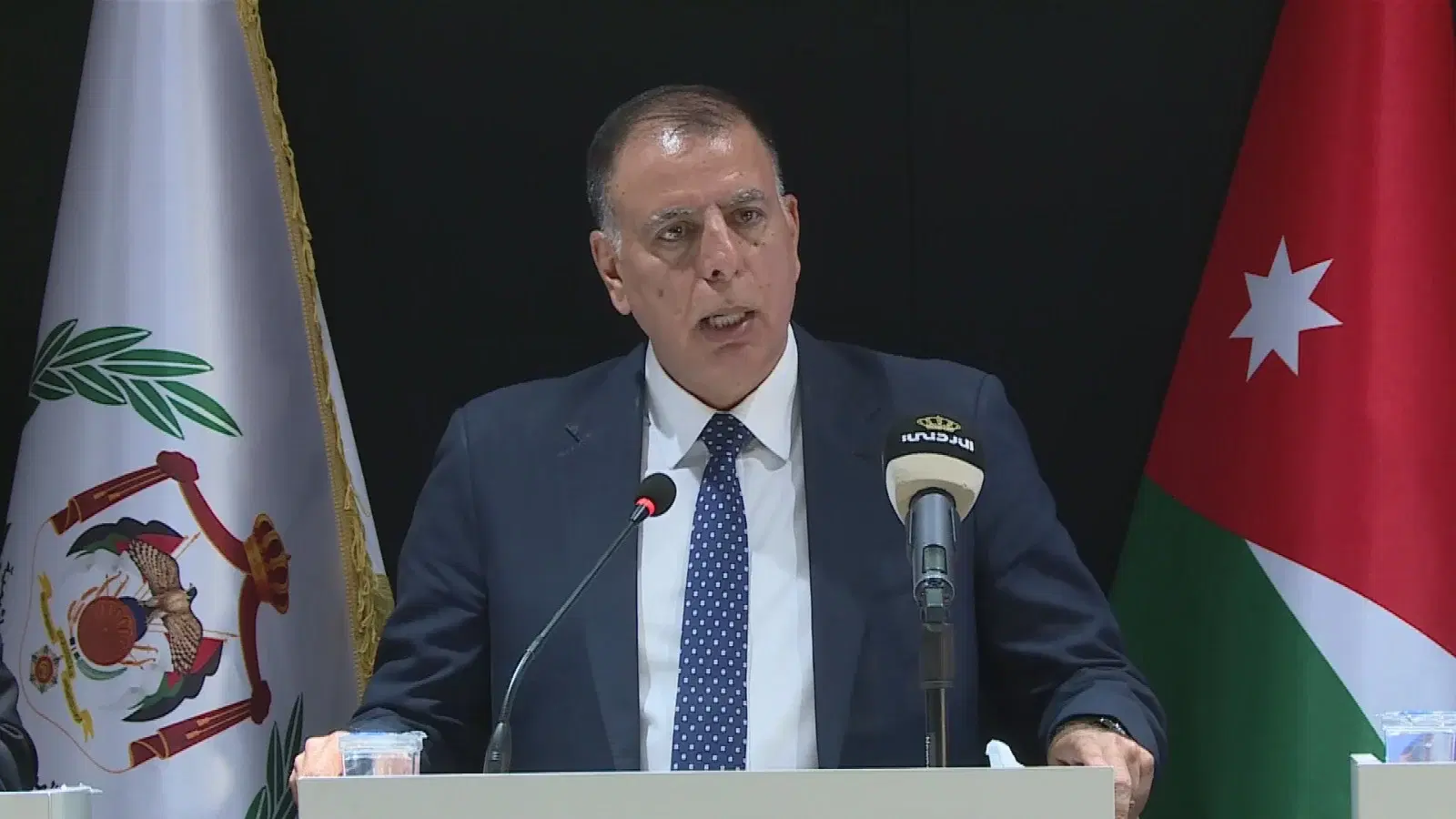
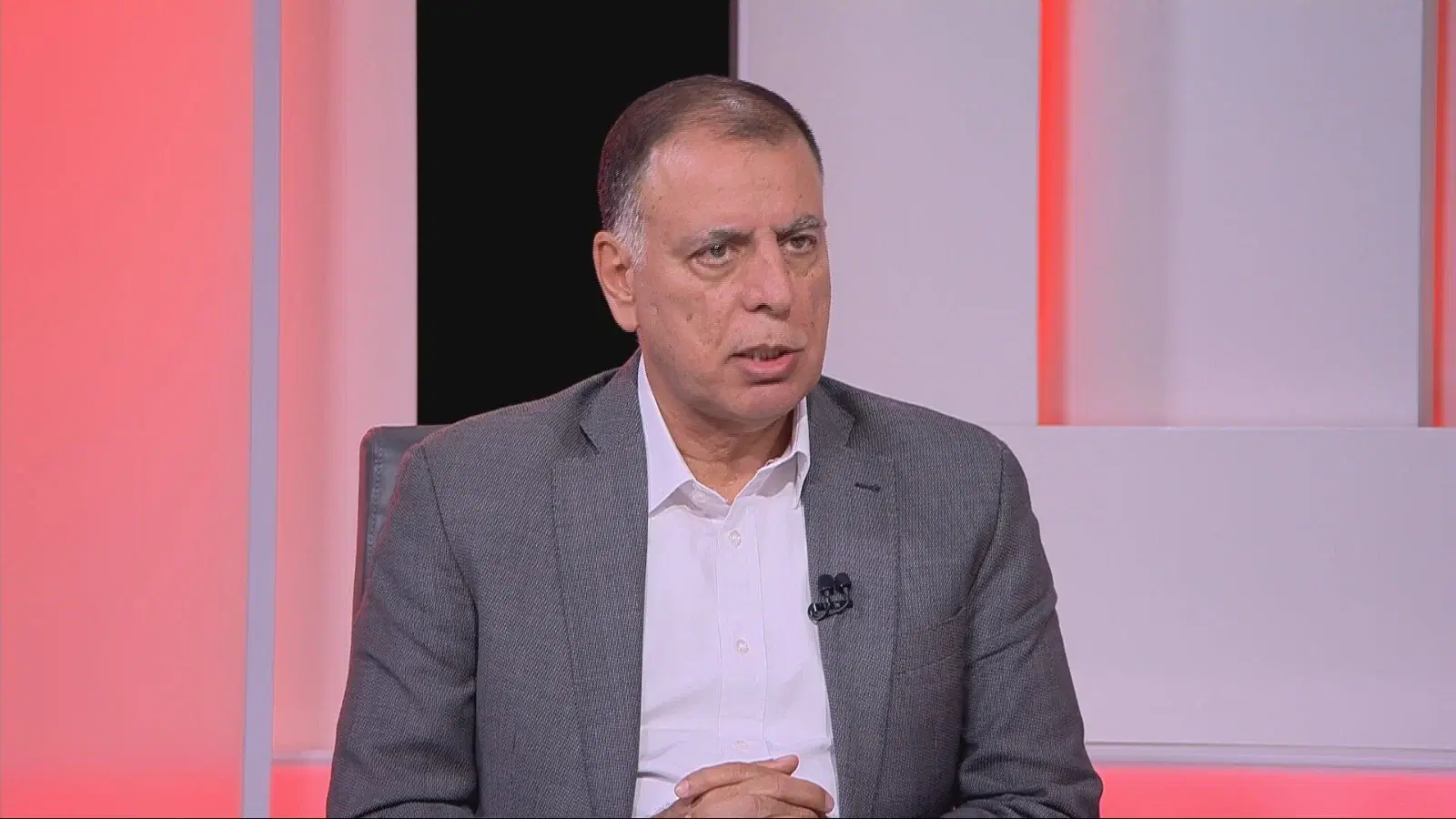
Minister of Interior Mazen Al-Fayez affirmed that all Jordanians are citizens entitled to the right of mutual respect, rejecting the use of descriptions that differentiate between them on the basis of religion, and stressing the necessity of confronting extremist ideology and hate speech and promoting a culture of accepting others in society.
Al-Fayez stated that Jordan is a country distinguished by cultural and religious diversity, and that this diversity requires citizens to respect one another, criticizing the use of the term "Dhimmī" when referring to Christian citizens.
He added: "Some people say to you, 'Whoever harms a Dhimmī'—you have citizens. What era are you living in to say Dhimmī and non-Dhimmī?", considering that such ideas do not align with human values and the acceptance of others.
Al-Fayez pointed to the presence of manifestations of extremism and non-acceptance of others in society, clarifying that this does not mean generalizing these manifestations to the entire society, but it calls for acknowledging their existence and working to address them.
He stressed that the citizen bears a responsibility in confronting extremist ideas and must not remain silent when hearing or seeing speech that incites hatred or rejects the other, emphasizing the necessity of denouncing these ideas and standing against them.
Al-Fayez criticized the reluctance of some citizens to engage in discussions related to extremism and hatred, which allows proponents of these ideas to spread them via social media without community pushback.
He touched upon the controversy regarding praying for mercy for Christians, criticizing those who treat mercy as limited or restricted to a specific group, and questioning the ability of those holding such ideas to spread messages of tolerance and peace.
He affirmed that confronting extremism requires awareness, dialogue, and firmness, alongside the role of mosque imams, teachers, and university professors in spreading a culture of tolerance and respect for the other, pointing out that the vast majority of them are moderate and tolerant.
He stressed that it is no longer tolerable to have a teacher who spreads hatred, an imam who promotes it, or any person—whether a doctor, engineer, or citizen—using social media to broadcast hate speech and division among citizens.
Al-Fayez explained that education needs major work that includes curricula, cultural and social activities, and teacher qualification, alongside addressing the presence of individuals holding extremist and unchangeable ideas within educational and religious institutions.
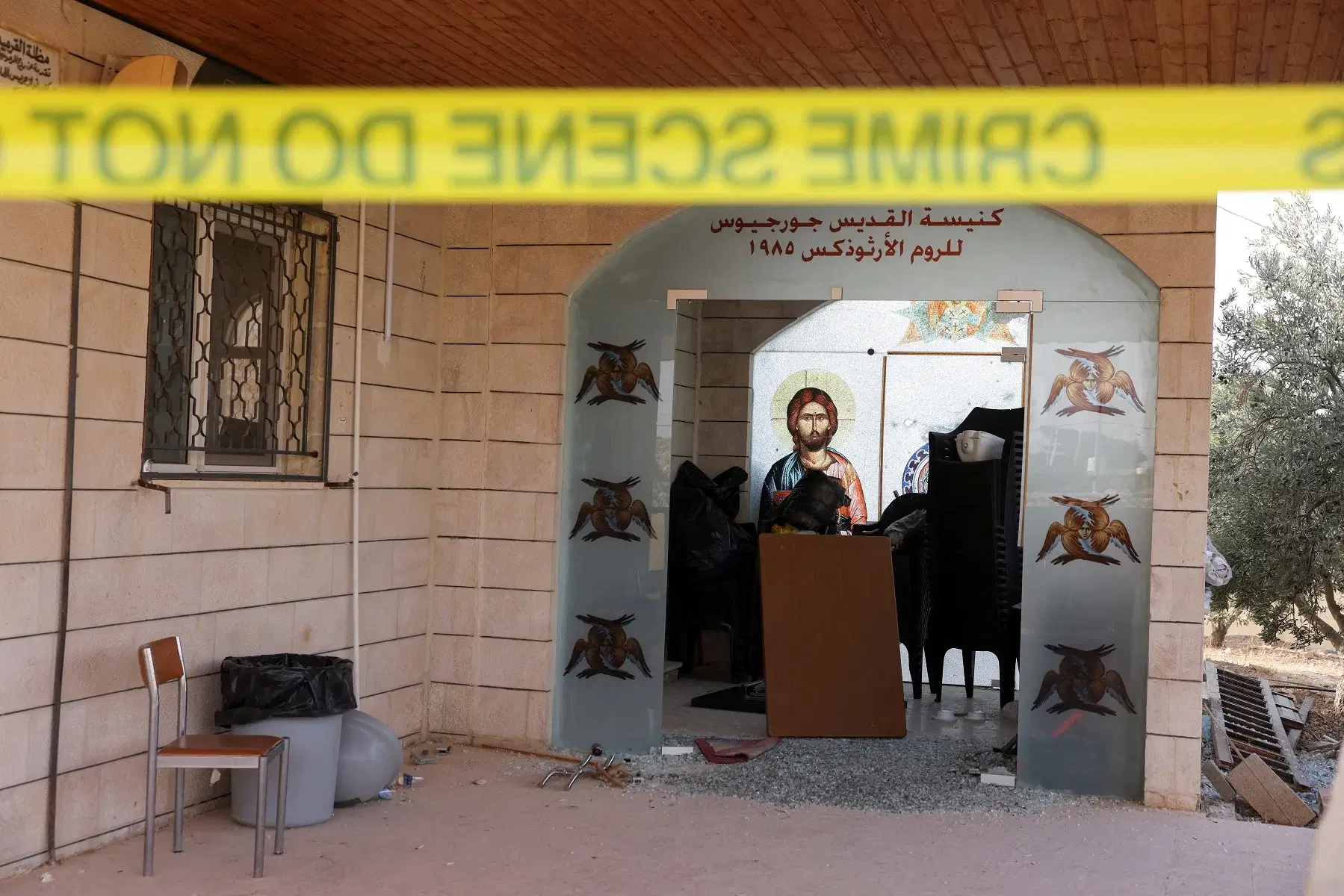
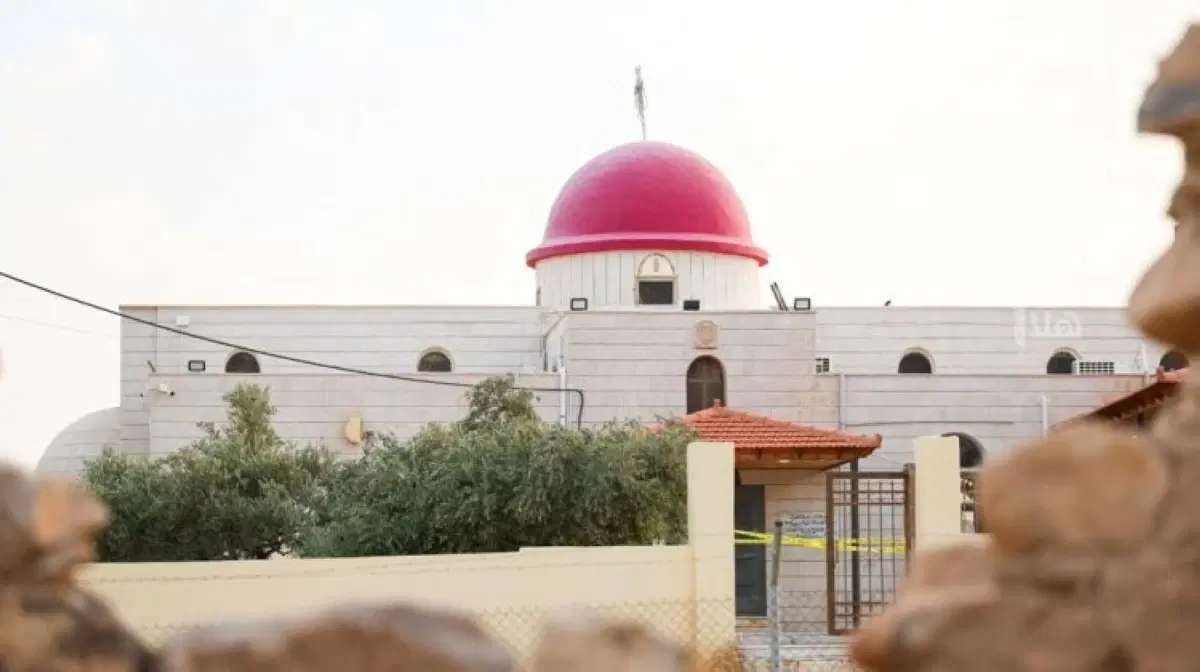
He said that what happened in the Hamoud Church in Karak Governorate "has consequences," describing the lesson left by the incident as harsh, calling for stronger results and practical measures to counter extremist ideology.
He criticized the previous strategy regarding promoting harmony, considering that it failed to achieve real progress and that efforts were limited to meetings bringing together Christian and Muslim clerics in closed halls without tangible results felt by citizens in the field of tolerance.
He stressed the necessity of moving beyond traditional dialogue toward an integrated strategy that includes education, religious and societal and moral upbringing, cultural and sports activities, alongside taking legal and administrative measures against those who spread hatred, and reconsidering legislation when necessary.
Regarding youth, Al-Fayez pointed to the importance of taking unemployment and the idleness experienced by some youth into consideration when formulating a strategy to counter extremism, emphasizing the importance of providing activities and programs that contribute to channeling their energies and developing their way of thinking.
He explained that youth centers can play an important role in this field, even in the absence of job opportunities, through cultural, sports, and social activities targeting young men and women.
He indicated that the government has worked extensively on the file of youth centers, and has begun focusing on the nature of the activities they provide and their effectiveness, rather than focusing on the number of centers and their distribution locations.
He pointed to the work being done to reduce the number of some centers and activate their activities, allowing young men and women to benefit from the programs offered in various governorates.
He stressed that the required strategy to counter extremism must be comprehensive, combining youth work, cultural and sports activity, religious upbringing, and school education, alongside the role of religious institutions and fatwa-issuing authorities in providing clear messages that prevent the spread of extremist ideas.
Al-Fayez called on those concerned with issuing fatwas and religious clerics to be clear on issues that spark controversy among citizens and not leave them to conflicting interpretations, emphasizing the necessity for religious clerics themselves to be convinced of the values of tolerance they convey to society.
The terrorist attack that targeted the Greek Orthodox Church of St. George in the village of Hamoud in Karak Governorate on Friday, October 23, 2026, during a funeral procession, resulted in the martyrdom of 9 people and the injury of others.
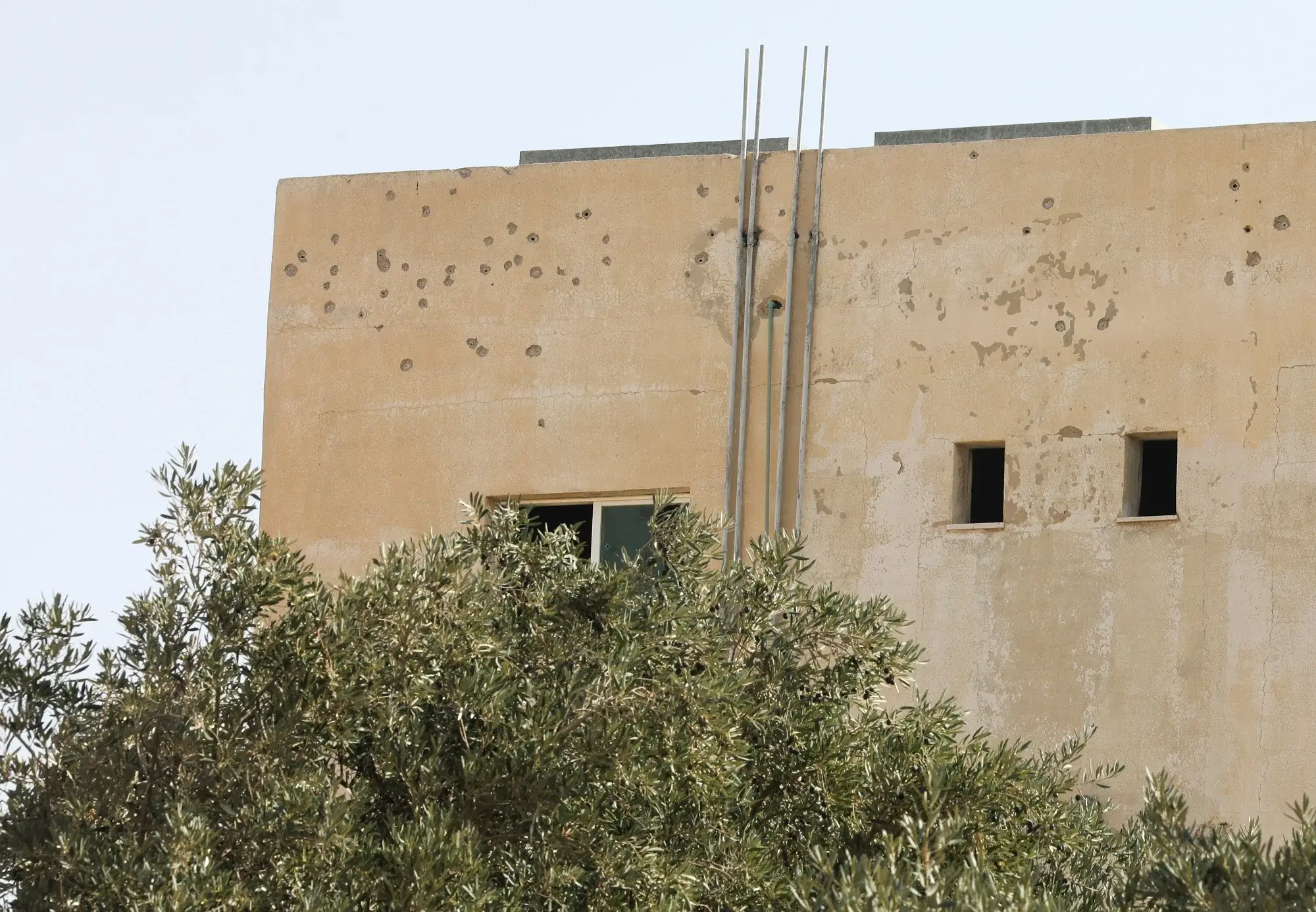
The Public Security Directorate announced at dawn on Monday the arrest of the three perpetrators of the attack after determining their location inside an abandoned house in Karak Governorate, following search, sweeping, and security and intelligence investigations that lasted since the attack occurred.
The Directorate explained that the perpetrators refused to surrender and initiated gunfire toward the security force, before they were subdued and arrested after all of them were injured, with no injuries among the ranks of the security force.
Al-Fayez affirmed that the government is reviewing the conditions that lead to youth extremism, as part of dealing with the repercussions of the attack and working to address the causes of extremism.