Al-Farrayeh: Harsh measures after Karak events and zero tolerance for those spreading extremist ideology and hatred
Amman4 min read
Share
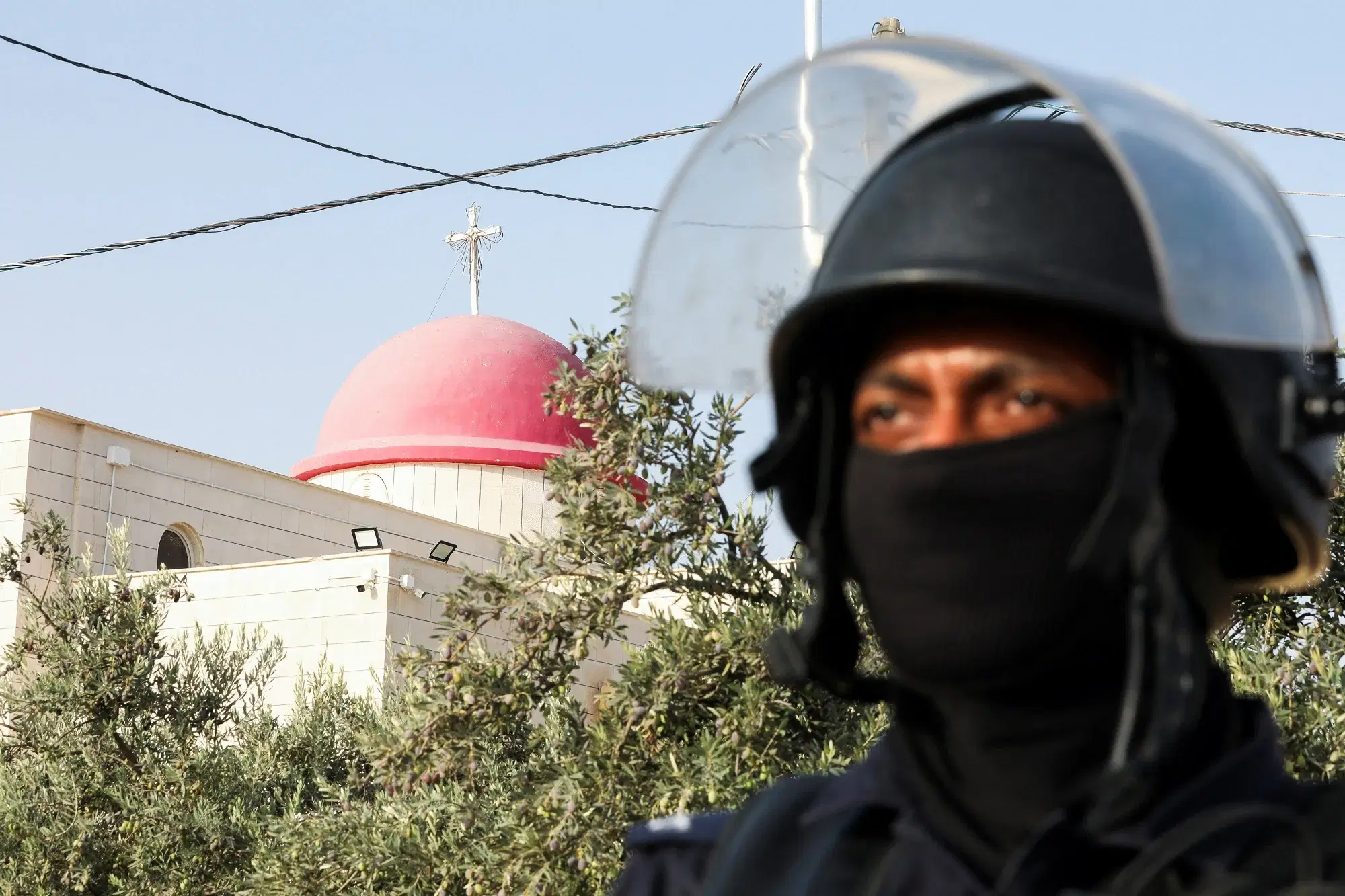
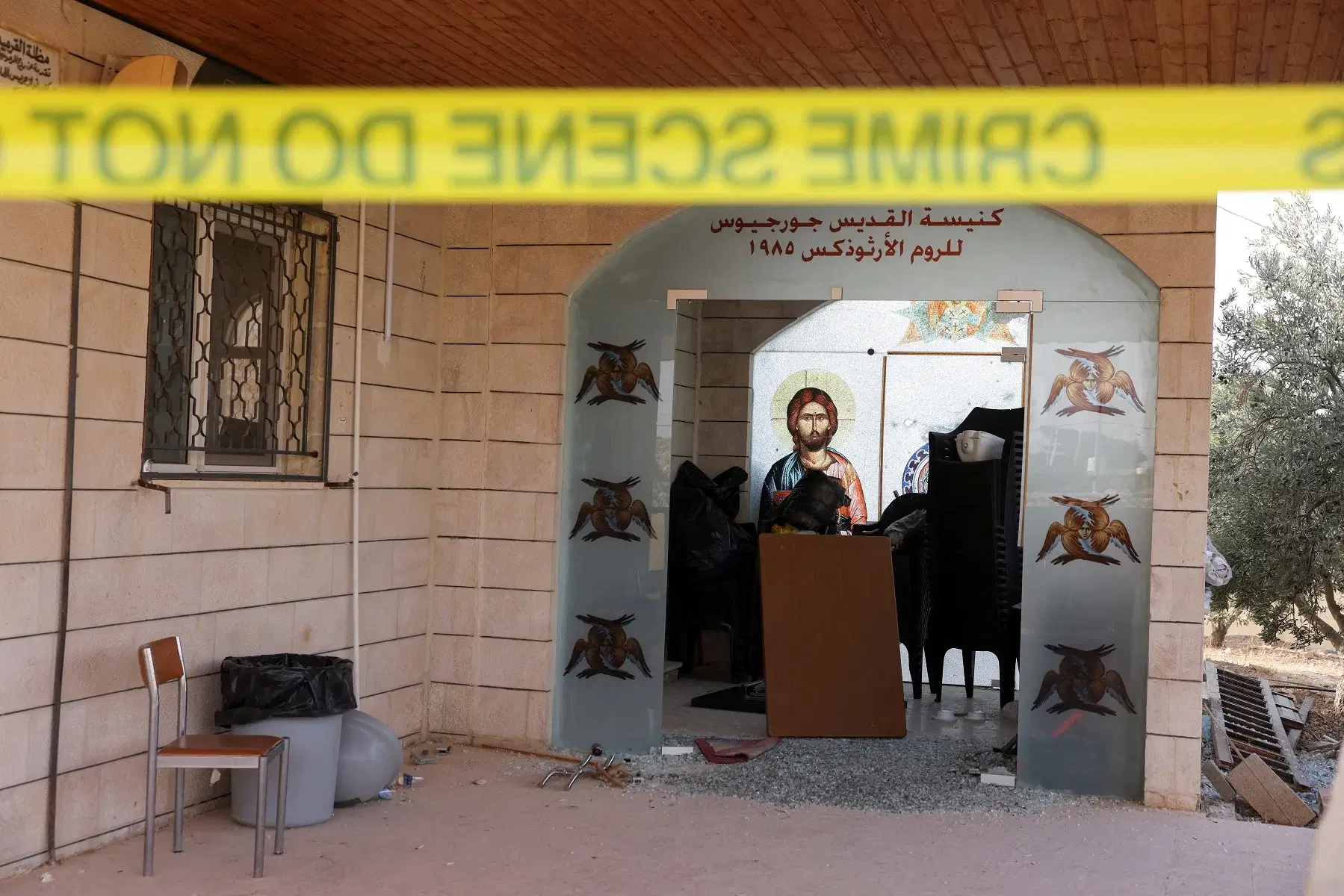
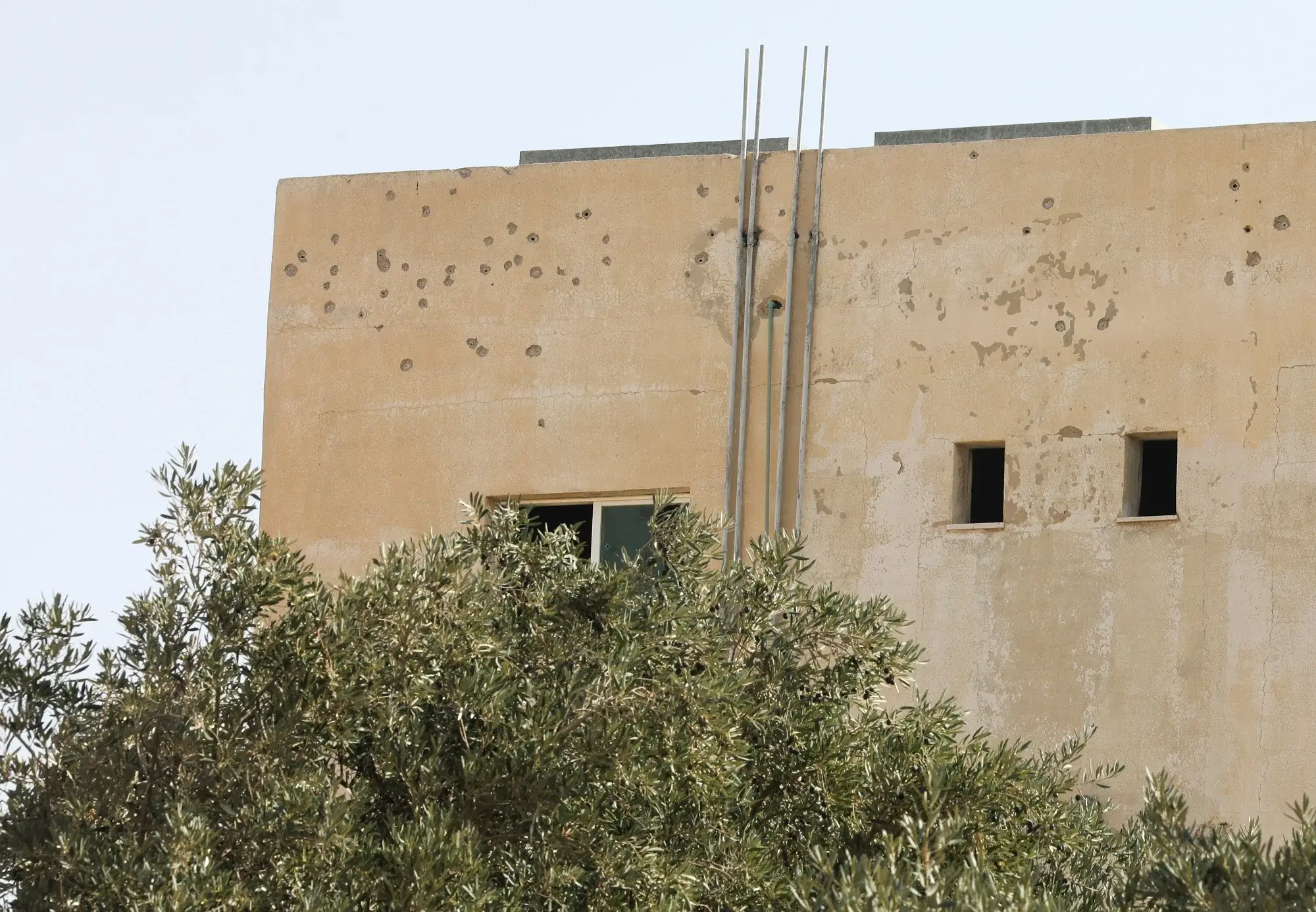
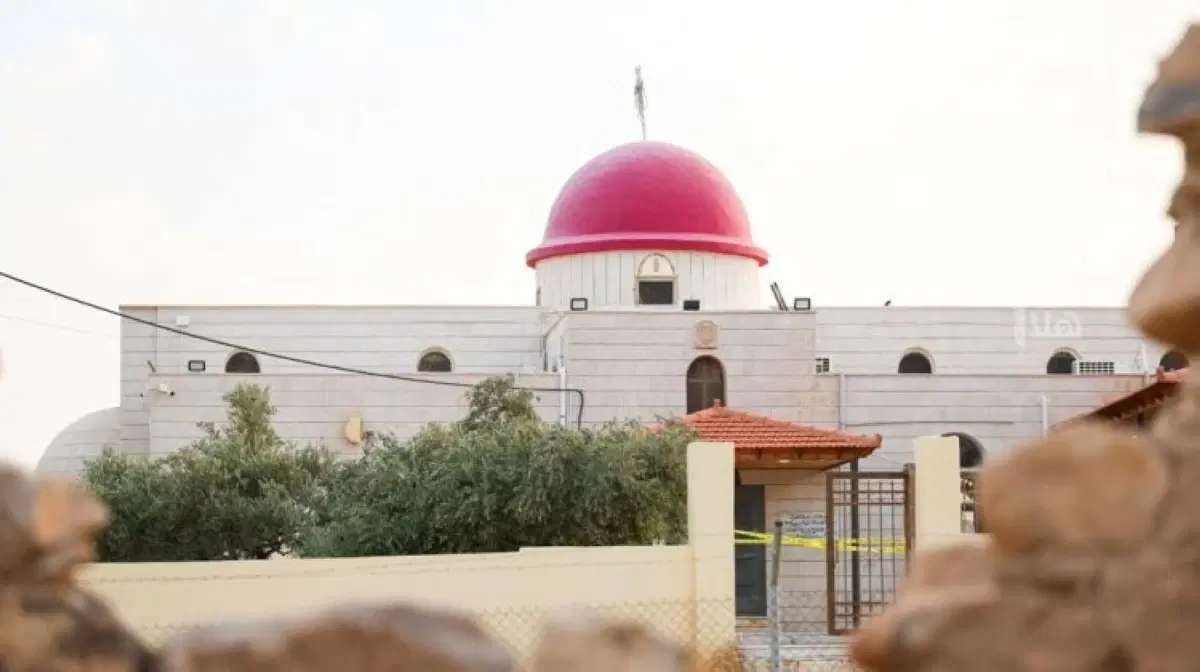
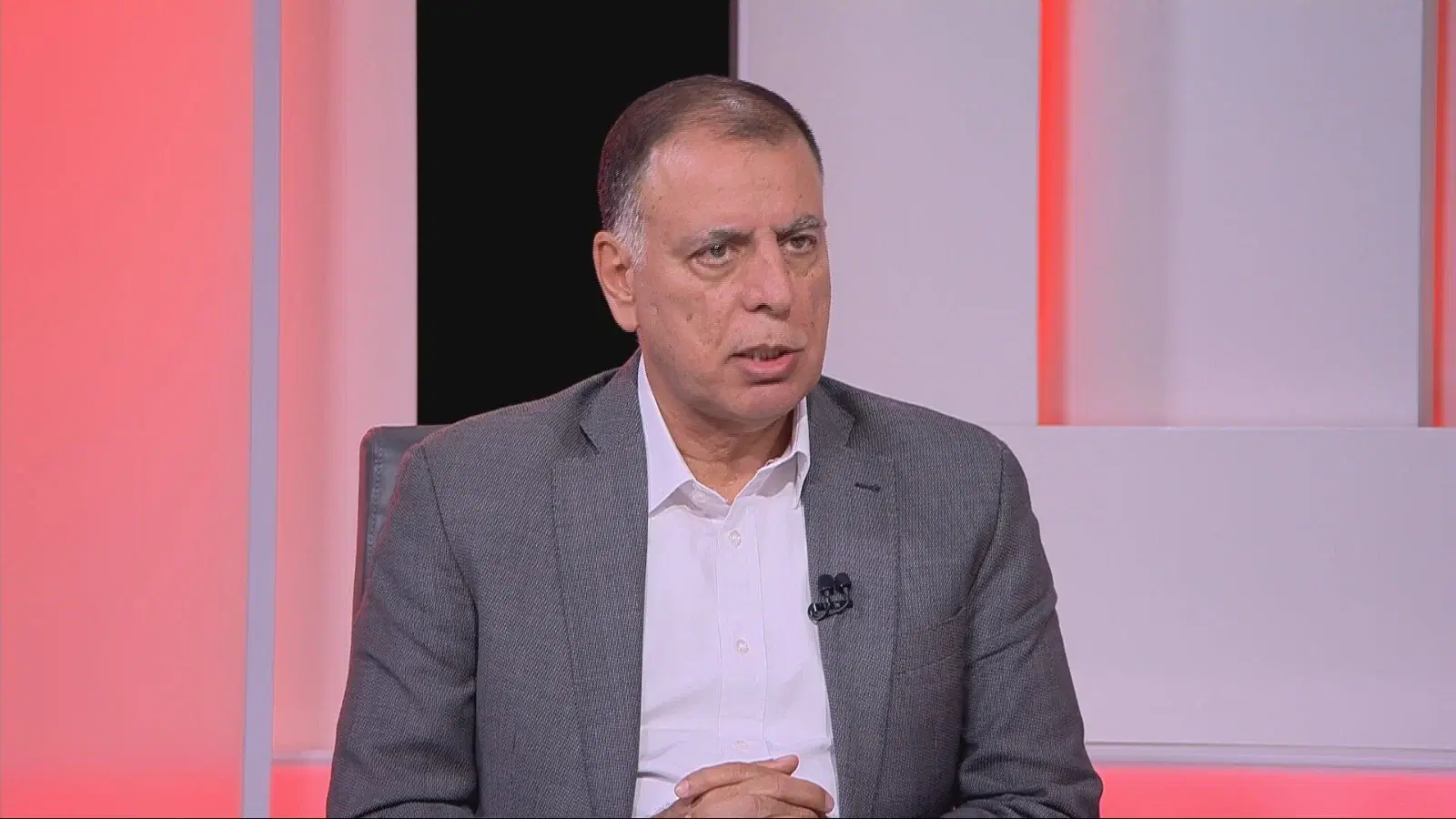
Minister of Interior Mazen Al-Farrayeh said on Monday that the next phase will witness harsh and decisive measures in dealing with extremist ideology following the terrorist attack on Hamoud Church in Karak, stressing that there will be no tolerance for anyone who holds extremist views or spreads hatred against others.
Al-Farrayeh stressed the necessity of working to eradicate extremist ideology and all forms of bigotry and intolerance within society, emphasizing that the state will not tolerate any individual, whether a teacher or an imam, who spreads hatred against others or promotes extremist ideas.
He added that using social media to spread hatred and discrimination among citizens warrants legal and administrative measures, calling for a review of relevant legislation when necessary to contribute to confronting these practices.
Al-Farrayeh said that what happened at Hamoud Church in Karak Governorate "will have consequences," and that confronting Takfiri ideology requires action at various levels, starting with education, curricula, cultural, and social activities, all the way to mosques, universities, and social media.
He added that society is witnessing instances of extremism and failure to accept others, clarifying that he does not mean to stigmatize society as a whole with these ideas, but rather to affirm their existence and the necessity of working to address them.
He pointed out that school curricula "need a lot of work" as part of the required efforts to confront extremism and promote the values of tolerance and acceptance of others.
He pointed out the importance of developing school curricula and cultural and social activities, rehabilitating teachers, and dealing with individuals who adopt extremist ideas and refuse to change them, alongside consolidating a religious discourse that promotes tolerance and acceptance of others.
Al-Farrayeh criticized the previous strategy in dealing with issues of harmony and coexistence, considering that it failed to achieve tangible progress in this file, and that efforts should not be limited to holding meetings bringing together representatives of different religions without achieving actual results on the ground.
Al-Farrayeh noted that some individuals promote extremist ideas via social media, including refusing to invoke mercy for Christians, stressing the need to tackle hate speech and incitement.
He stressed the importance of instilling a culture of respect for and tolerance of others, and rejecting ideas that prevent invoking mercy for others due to differing beliefs, emphasizing that dealing with manifestations of extremism requires practical and decisive measures.
He stressed the importance of awareness and dialogue in confronting extremist ideology, and the role of teachers, university professors, and mosque imams in spreading moderation and tolerance, affirming that Jordan is a country characterized by religious and cultural diversity, and that promoting ideas that discriminate between citizens on the basis of religion contradicts the humanitarian values of society.
He noted that confronting extremism is not tied to a specific religion, but rather to individuals who adopt extremist convictions and try to impose them on others, emphasizing the importance of consolidating respect for religious and cultural diversity in Jordan, and rejecting ideas that discriminate between citizens on the basis of religion.
Al-Farrayeh pointed to the importance of engaging youth in cultural and sports activities and utilizing youth centers across various governorates, in light of challenges related to unemployment and free time, explaining that focus should be placed on activating the activities of these centers and enhancing the benefit young men and women derive from them.
He affirmed that awareness, dialogue, and firmness represent integrated paths to confront extremism, and that teachers, university professors, and mosque imams must contribute to spreading moderation and tolerance, and not allow educational and religious institutions or electronic platforms to be used to broadcast hatred.
Regarding the educational backgrounds of the three suspects, Al-Farrayeh said he does not know the details of their education, but noted that education, even when available, did not prevent them from adopting extremist ideas.
In a related context, Al-Farrayeh explained that investigations into the attack on Hamoud Church are still ongoing to determine the nature of the perpetrators' affiliations, whether they belong to a terrorist organization or are linked to cells inside or outside Jordan, alongside discovering how they obtained weapons and the parties that may have helped them.
He indicated that security agencies examined the perpetrators' close relationships and utilized information derived from human sources and intelligence work to reach them, pointing out that investigations will reveal whether they had friends or other individuals holding the same extremist ideology.
He confirmed that preliminary indicators, including the targeting of the church and worshippers, indicate that the perpetrators hold a Takfiri ideology, citing one of them refusing to send his daughters to schools based on his belief in the prohibition of girls' education.