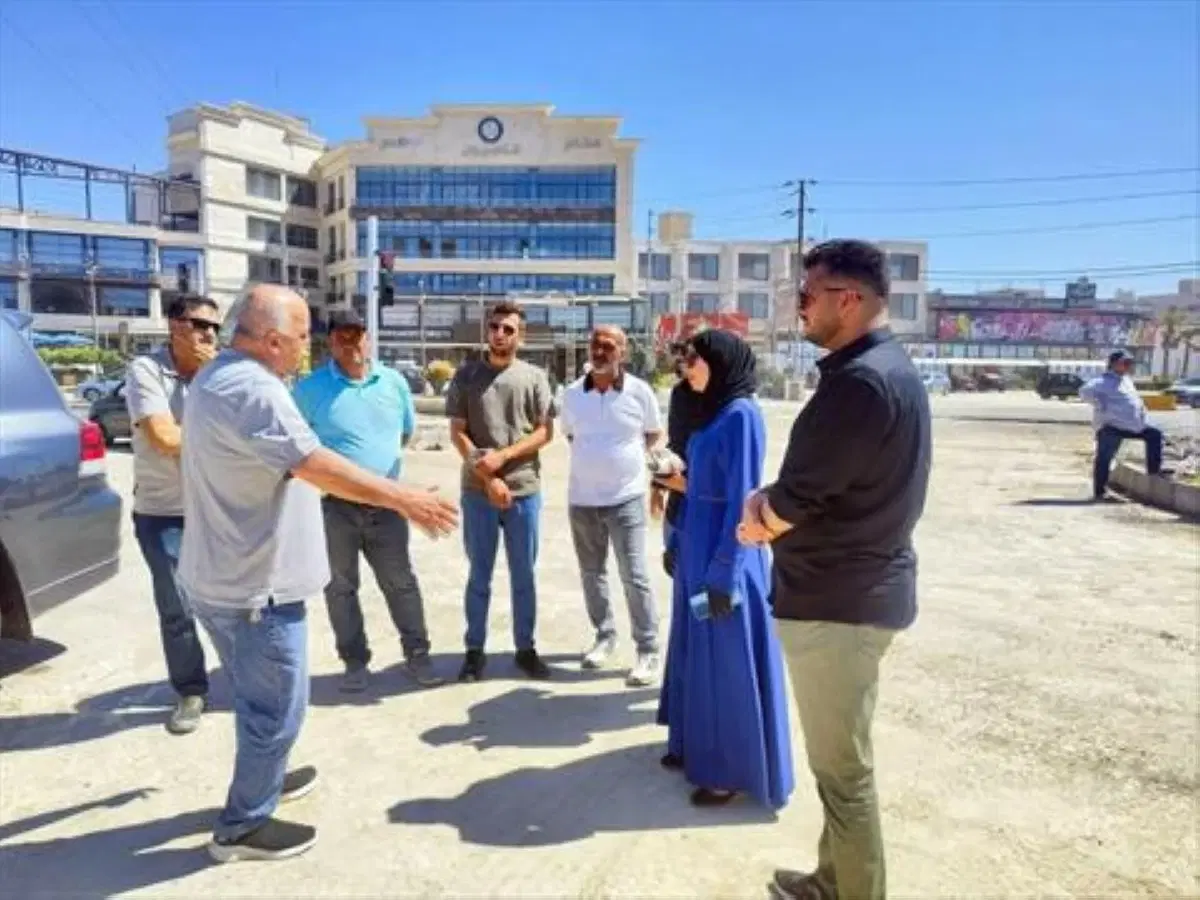
Al-Azza added that the operation of the signal is experimental until the completion of the remaining works at the site, which include the implementation of asphalt mixtures, the installation of ground sensors, and the connection of the traffic light to the central control room, in addition to linking it to the other traffic lights included in the project.
He pointed out that the experimental operation will continue during the period necessary to complete the artistic and technical works, leading to the operation of the signal system in an integrated manner and linking it to the central control room and the other signals associated with the project.
The project aims to re-organize traffic in the Culture Square area and the connected roads, improve the flow of vehicles, and raise the level of traffic safety in the area.
Al-Azza revealed that the smart signal project for the Culture Roundabout was studied by engineers working for Engineer Abdul Rahman Al-Khatib Company in Qatar, and the Irbid Municipality implemented the infrastructure from widening and linking, and the equipment was brought from Qatar, China, and Italy and entered the Irbid Municipality warehouses, and now all signals in Irbid and Bani Obaid are being linked to a control room in the Irbid Municipality building, meaning 36 signals, meaning an integrated project, and Irbid Municipality cadres are being trained by the work team, and the Municipality implemented the infrastructure works, knowing that the executing company manages works in more than ten cities in Europe as well as Doha.