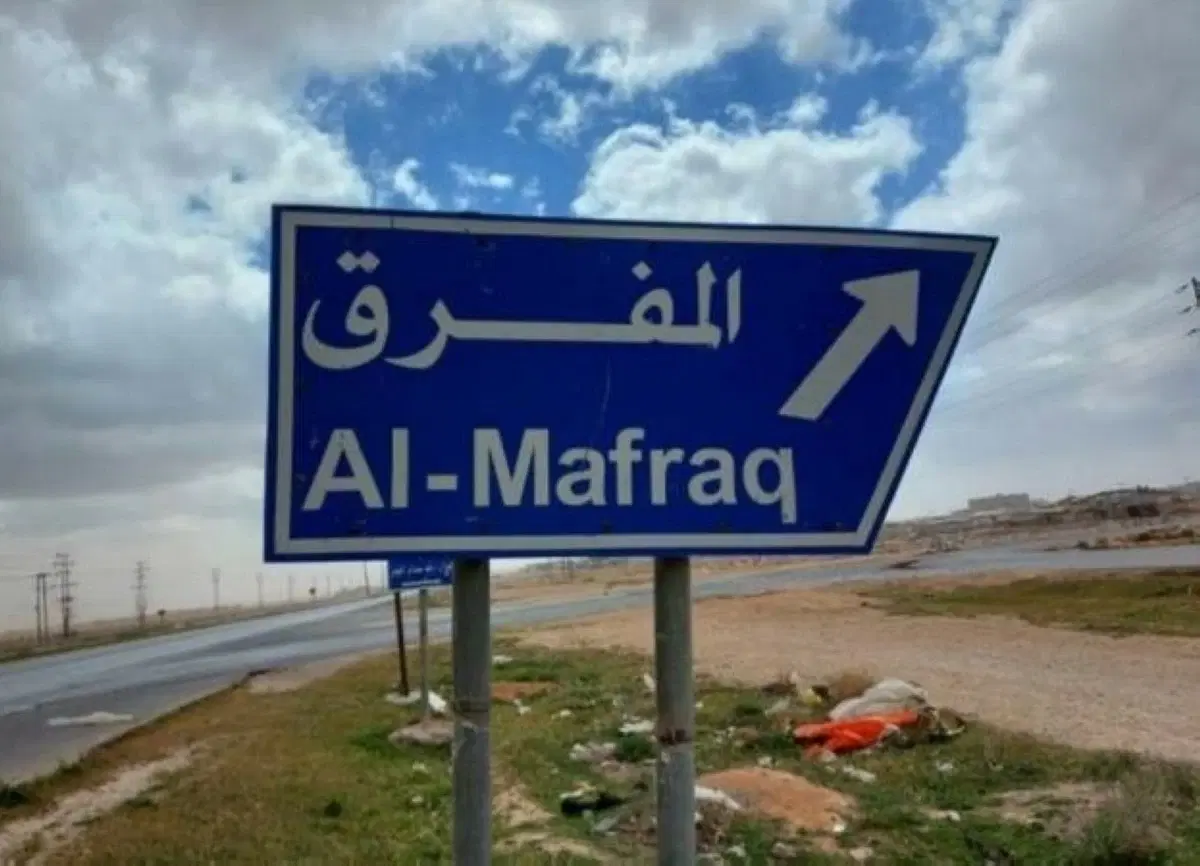
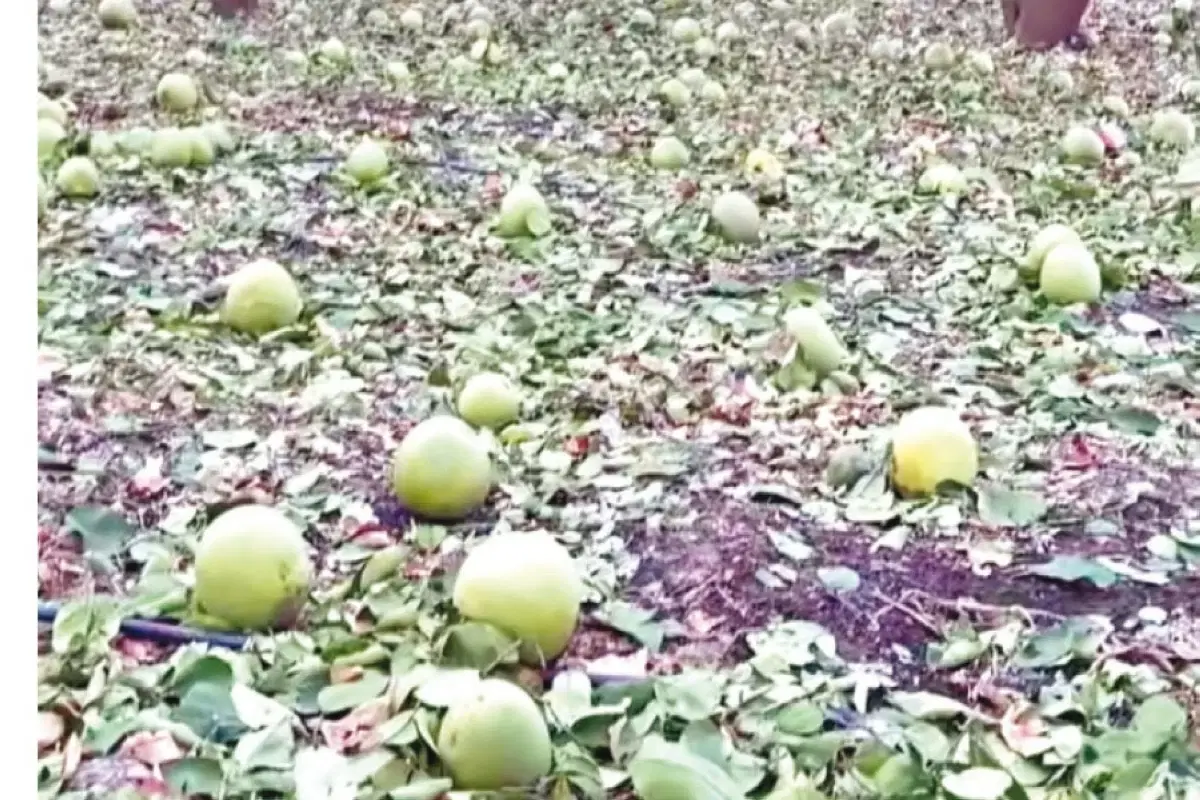
From the perspective of agricultural safety and water security, agricultural engineer Saad Al-Mshaqbeh sheds light on the technical and environmental impacts of these watercourses, stating: «The valleys in Mafraq Governorate represent an extremely vital hydrological system. Water flowing through valley beds replenishes groundwater and contributes to water harvesting, upon which many crops and natural pastures depend. However, risks lie in strong surface runoff and bank erosion, as rapid flooding leads to the loss of fertile topsoil and destruction of certain crops. Optimal investment lies in constructing earthen basins and small dams to regulate water flow and harness its benefits without causing environmental damage.»
On the role of municipalities in confronting challenges and containing risks, Muhammad Khaleel Abu Alim, head of the Umm Al-Jimal Municipal Committee, speaks about emergency plans and upgrading infrastructure, affirming: «The municipality places watercourses and runoff channels at the top of its organizational and service priorities. We continuously work to clear flood pathways and rehabilitate box culverts and channels to prevent blockages that could lead to water inundating homes or closing main roads. Random construction and encroachment on valley boundaries represent our biggest challenge, so we consistently send a message to our community about the necessity of adhering to urban planning and avoiding the construction of any buildings or facilities near watercourses to ensure everyone's safety.»
On the front lines confronting depressions and weather hazards, field observer Akram Sharaf Al-Khalidi delivers a vivid picture of what unfolds during winter, warning: «During intense rainfall depressions, we monitor valley channels and nearby road sections with utmost caution. Floods in Mafraq are characterized as 'sudden and fast,' due to the land's nature, soil composition, and prior dryness. We repeatedly witness vehicles attempting to cross valleys while water is flowing, putting passengers at severe risk. Field awareness and immediate coordination with relevant authorities and operations rooms are key to preventing disasters before they occur, as we are dealing with a rapidly changing natural environment.»
Expert, official, and field testimonies converge on the fact that Al-Mafraq’s valleys and watercourses, despite their beauty and environmental and historical importance, require careful, shared responsibility between official bodies and citizens, so that winter remains a season of prosperity and blessing, free from risks and accidents.