Cost of fractures outweighs prevention
Necessity of supporting research to monitor the disease's prevalence
Follow Al Rai

Calls to expand early detection
Cost of fractures outweighs prevention
Necessity of supporting research to monitor the disease's prevalence
President of the Jordanian Osteoporosis Society, Dr. Muzaffar Al-Jalamdeh, emphasized the need to establish a comprehensive national registry for osteoporosis patients in Jordan, which would allow for determining the prevalence of the disease and the groups most at risk, and contribute to developing health policies and enhancing access to appropriate examinations and treatments.
In a statement to "Al-Rai" on the occasion of World Osteoporosis Day, which falls on October 20th of each year, he added the importance of moving from traditional awareness to comprehensive national programs based on prevention and early detection, and leveraging technological advancements and artificial intelligence in diagnosing the disease and assessing its risks.
Al-Jalamdeh revealed that the Jordanian Osteoporosis Society is currently conducting extensive discussions to launch awareness and preventive initiatives covering various governorates and villages of the Kingdom, with the aim of promoting healthy practices and establishing a culture of early detection.
He pointed out that the Society seeks direct coordination with the Ministry of Health to establish a comprehensive national registry for osteoporosis patients, which would provide an accurate database for decision-makers and physicians, and help in identifying the groups most at risk and monitoring medical cases.
He explained that the existence of this registry would support efforts aimed at providing bone density measurement (DEXA) scans and facilitating citizens' access to them in various health centers, thereby enhancing the chances of detecting the disease before fractures and their complications occur.
Al-Jalamdeh pointed out that osteoporosis does not only represent a health challenge but also imposes economic burdens on health sectors and insurance entities in Jordan, as a result of the costs of treating advanced fractures and complex surgical interventions.
He indicated that preventing fractures associated with the disease could save hundreds of thousands of dinars spent annually on treating its complications, stressing that directing more resources toward prevention and primary healthcare contributes to reducing the pressure on hospitals and enhancing the efficiency of health spending.
Al-Jalamdeh noted that technological developments, especially artificial intelligence techniques, are opening new horizons for the early detection of osteoporosis by analyzing radiographs and health data, and assessing the probabilities of future injuries and fractures.
He emphasized the importance of utilizing these technologies to support diagnosis and timely preventive intervention, in addition to developing awareness programs and encouraging those most at risk to undergo examinations.
Al-Jalamdeh stressed the necessity of supporting specialized national research and studies to monitor the prevalence of osteoporosis and its patterns among different age groups in Jordanian society, providing scientific data that can be relied upon in setting policies and treatment programs.
He called for ensuring the availability of modern and appropriate treatments at fair prices that are accessible to patients, without posing a financial burden on families or the health sector, emphasizing that prevention and effective treatment should be available to everyone.
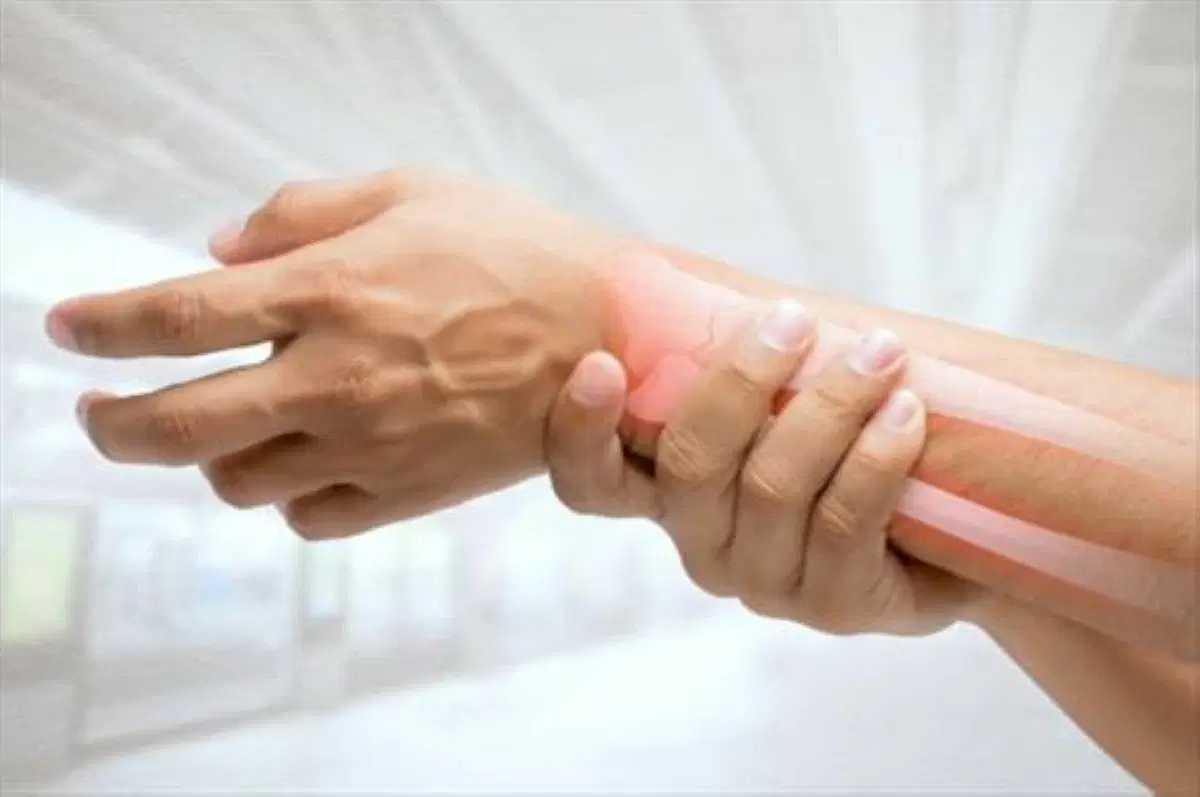
Al-Jalamdeh explained that osteoporosis is medically known as the "silent thief," due to its gradual development without clear symptoms in its early stages, and its first signs may be a fracture resulting from a simple fall.
He pointed out that aging, hormonal changes, genetic factors, and lack of physical activity are among the most prominent factors associated with the disease.
He warned of the importance of nutrition rich in calcium and vitamin D, and practicing resistance exercises and regular physical activity to maintain bone health, stressing that investing in prevention and early detection represents a health and economic necessity to protect patients and limit the complications of the disease.
Know more about this story?Send us a tip
Ask about this report — answers stay grounded in its text.