Al-Adwan: Oil shale is one of the primary energy sources in Jordan, and we invite investors to capitalize on it
Amman4 min read
Share
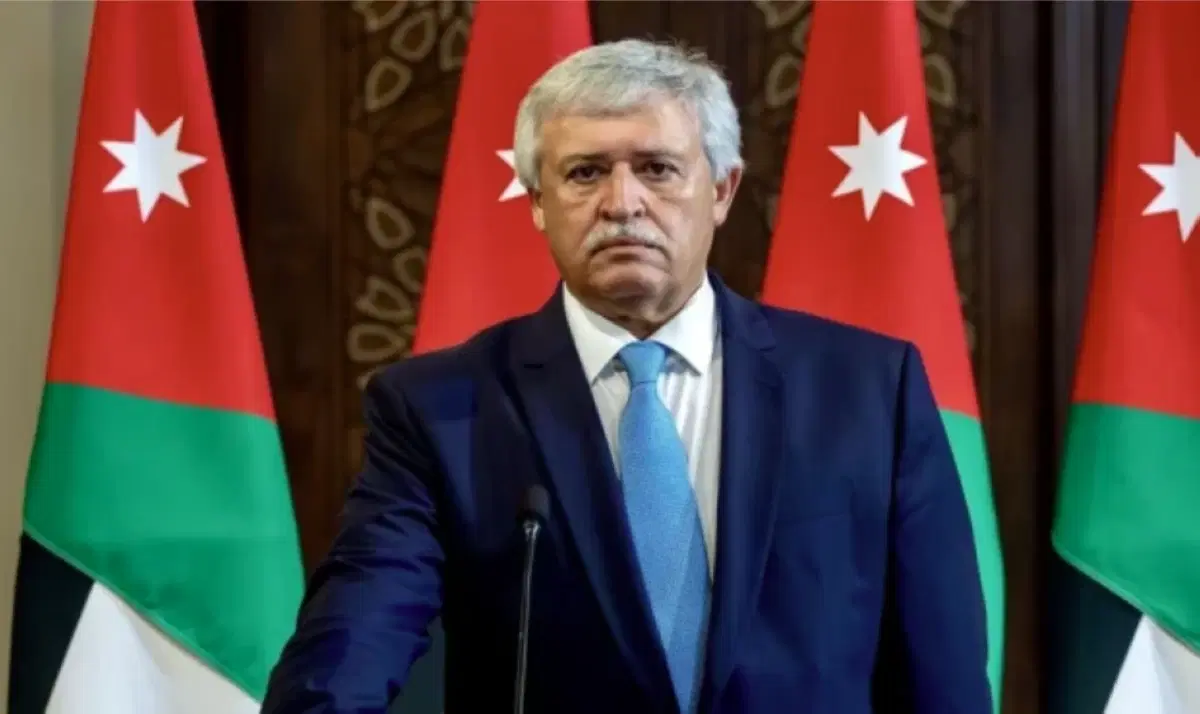
Acting Secretary-General of the Ministry of Energy and Mineral Resources, Bahjat Al-Adwan, affirmed that Jordanian oil shale represents one of the primary energy sources in the Kingdom, noting the importance of continuing to develop its exploitation and enhancing investments in this sector to serve energy security and diversify its sources.
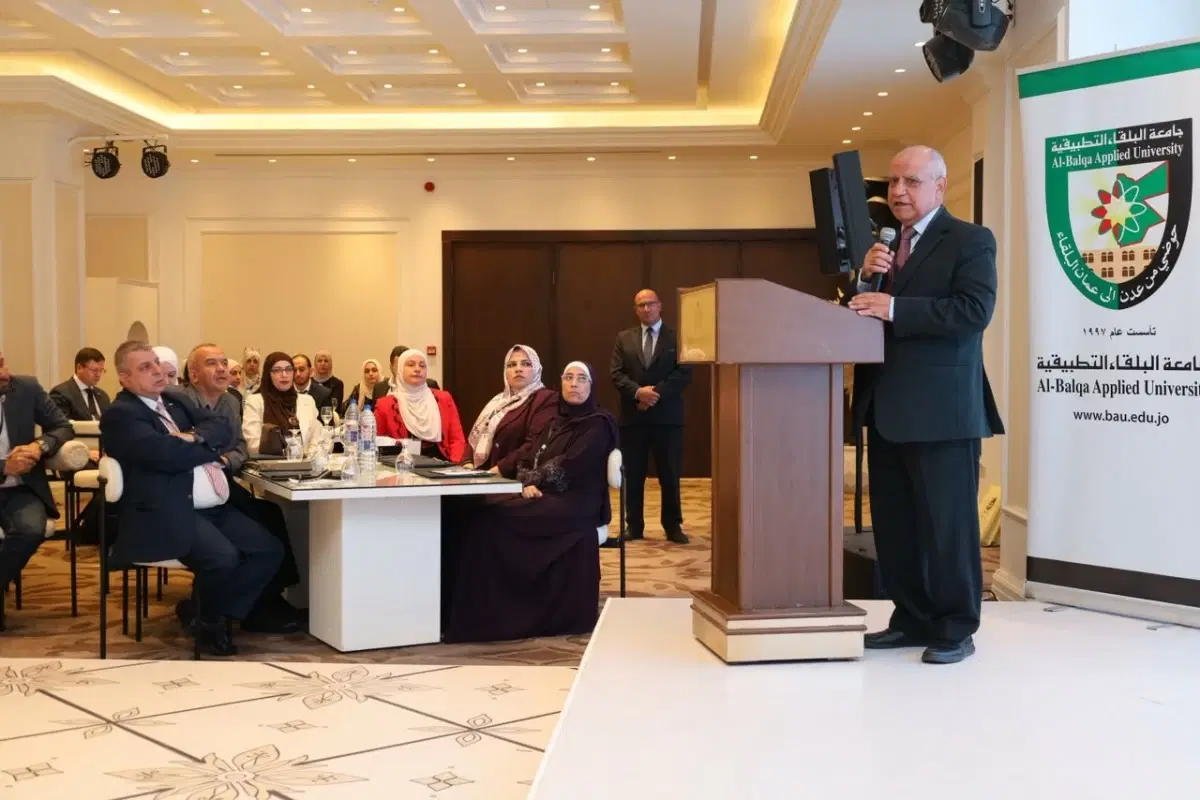
During the opening of the Fourth International Oil Shale Conference, organized by Al-Balqa Applied University in cooperation with the Ministry of Energy and Mineral Resources, Al-Adwan stated that the Ministry's policy is based on relying on multiple energy sources to ensure supply continuity and strengthen the security of the electrical system, including natural gas, petroleum derivatives, oil shale, and renewable energy.
He pointed out that renewable energy currently contributes about 27% of the Kingdom's electricity mix, confirming the Ministry's trend toward increasing this percentage, in addition to continuing to benefit from various local and imported energy sources within a diverse mix that ensures the stability and continuity of electricity supply.
Al-Adwan noted that the Attarat project for electricity production from oil shale contributes about 14 percent of the Kingdom's electricity needs, emphasizing that Jordan possesses advanced expertise in the field of oil shale and that the Ministry continues to work on enhancing the utilization of this national resource.
He explained that the challenges faced by some oil shale projects were largely related to economic feasibility, production costs, and processing, affirming that the Ministry views oil shale as a national resource worthy of continued research, development, and investment in its exploitation technologies.
Al-Adwan invited investors to take advantage of the opportunities available in the oil shale sector, whether in the field of electricity production or the production of petroleum derivatives, confirming the Ministry's readiness to receive investment proposals and projects, and to study and evaluate them technically and financially in accordance with applicable legislation and environmental conditions.
He indicated that the Ministry is also working on developing opportunities to utilize the waste and ash resulting from oil shale burning and processing operations, and the possibility of employing them in a number of industries, including the cement industry, in addition to studying the utilization of the elements and components contained therein.
Al-Adwan emphasized the importance of the conference producing practical recommendations that can be utilized by the government and investors, contributing to enhancing interest in oil shale, developing its uses, and encouraging investment in this field.
He valued the efforts of Al-Balqa Applied University and the conference's preparatory committee in continuing to hold specialized conferences on oil shale, stressing the importance of these events in bringing together researchers, experts, and investors to exchange experiences, research, and experiments related to this national resource.
For his part, Vice President of Al-Balqa Applied University, Prof. Dr. Zaid Al-Anbar, affirmed that the discussion about oil shale goes beyond it being an alternative energy source to include issues of energy independence, national security, and economic growth, in light of the rapid changes witnessed by global energy markets.
Al-Anbar pointed to the importance of achieving a balance between investing in natural resources and protecting the environment, and developing sustainable technologies for extracting and processing oil shale, in a way that reduces emissions and preserves ecosystems while ensuring efficiency and economic feasibility.
He emphasized the importance of strengthening the partnership between universities, the government, and the private sector, and supporting applied scientific research and innovation to reach practical solutions that serve the future of the energy sector.
The Fourth International Oil Shale Conference, which continues for two days in the capital, Amman, discusses the latest scientific and technical developments in the field of oil shale, opportunities for investing in it, and developing its extraction and processing technologies, in addition to economic, environmental, and investment aspects, with the participation of researchers, experts, academics, and specialists from Jordan and abroad.