Press Syndicate: Jordanian olive oil enjoys high quality and a distinct chemical composition
Amman5 min read
Share
The Executive Director of the General Syndicate of Owners of Olive Presses and Olive Producers in Jordan, Engineer Jamal Al-Batsh, confirmed that Jordanian olive oil enjoys high quality and a distinct chemical composition compared to global olive oils. It is also characterized by many sensory and taste qualities that are highly desirable in many countries around the world, based on the opinions of tasting experts.
During a lecture organized by the Jordanian Society for Scientific Research, Entrepreneurship, and Creativity last Monday evening, titled "The Reality of the Olive Sector and Jordanian Olive Presses and the Factors Affecting Olive Quality," he explained the economic, social, and environmental importance of the Jordanian olive sector. This is represented by the volume of investments in this vital sector, the industries based on it, its contribution to the Gross Domestic Product (GDP), the number of Jordanian families that depend on the olive tree directly or indirectly, and the job opportunities it provides, which makes this sector an important gateway for combating poverty and unemployment.
He pointed to the connection between the olive tree and the life and customs of Jordanian society, considering it a part of its history and culture. He noted that the sector contributes to achieving self-sufficiency in a strategic and essential food item in the Jordanian food basket, as the Jordanian table is never without olives and olive oil daily.
He added that the sector provides important inputs for the production of fodder, fertilizers, and energy by utilizing the waste resulting from pressing olive fruits, in addition to its contribution to reducing soil erosion and combating desertification.
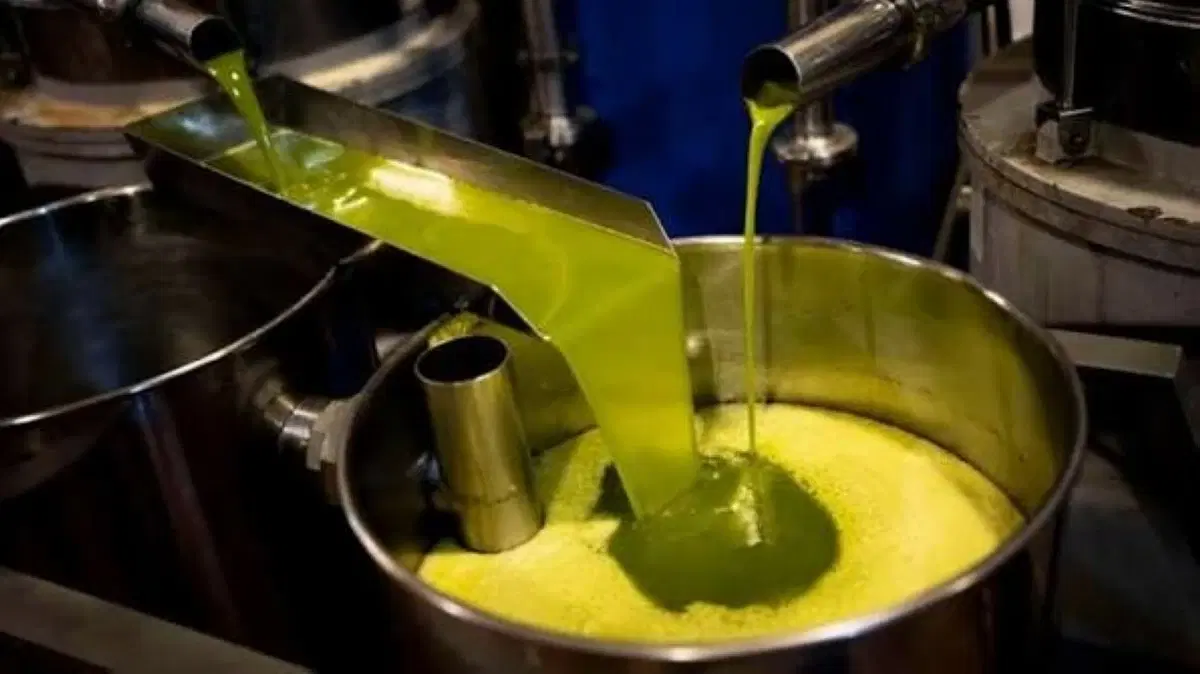
Al-Batsh confirmed the readiness of all olive presses in the Kingdom and their high efficiency in pressing fruits and producing high-quality olive oil. He explained that the number of operating and licensed presses in the Kingdom currently stands at 151, distributed across various governorates and equipped with modern and advanced production lines that keep pace with the best modern technology in the world.
During the lecture, he presented the most prominent factors affecting the quality of olive oil, which include the olive variety, good agricultural practices necessary for caring for olive trees and producing healthy, fresh, and high-quality fruits, and post-harvest treatments, including packaging, transporting, and storing the fruits under suitable conditions until they are pressed. It also includes good manufacturing practices during pressing at the mill, which ensures the production of olive oil in appropriate quantities and high quality, in addition to optimal storage conditions that preserve the quality of the produced oil.
He praised the oversight role played by the joint government committees, which include inspection and oversight personnel from the Ministry of Agriculture, the Jordan Food and Drug Administration (JFDA), the Royal Department for Environmental Protection, the Cybercrime Unit, and the Syndicate of Olive Press Owners. This is especially true for the Committee for the Protection of Jordanian Olive Oil, which is concerned with following up on, pursuing, and combating various means of fraud that Jordanian olive oil may be subjected to, and taking deterrent legal measures against the perpetrators.
In the context of spreading awareness and promoting the culture of sensory evaluation of olive oil as the fundamental pillar in classifying virgin olive oil according to its distinctive characteristics using human senses, especially smell and taste, Al-Batsh explained that the evaluation process is usually carried out by a group of tasters consisting of 8 to 12 individuals, who are selected, trained, qualified, and accredited as part of a tasting team.
During the lecture, he indicated the main negative characteristics and other defects that the tasting team can sense and perceive in virgin olive oil, the causes of which are usually attributed to incorrect agricultural practices on the farm, during post-harvest treatments, or as a result of the conditions of pressing the fruits and storing the produced oil.
He pointed to the positive, desirable characteristics that the tasting team can sense and perceive in the produced olive oil, represented by the fruity flavor and the bitter and pungent tastes.
The lecture, which was moderated by the Vice President of the Society, Dr. Samih Abu Baker, included several presentations of reference samples of olive oil containing major defects and others free of defects, with the aim of enabling the attendees to practically identify negative and desirable characteristics and helping them distinguish between high-quality extra virgin olive oil free of defects and other varieties of virgin olive oil that contain defects.
Al-Batsh expected that the Kingdom's production of olive oil during the current season would reach about 30,000 tons, against a local need estimated at about 25,000 tons. He pointed out that the Ministry of Agriculture's estimates indicate that the Kingdom's expected production of olive fruits is about 212,000 tons, where 40,000 tons are expected to be converted into green and black olives for pickling purposes, while the remaining quantity will be pressed to produce olive oil.