The Tripoli-based Ministry of Transportation said in a statement posted on its verified Facebook page that "this measure comes as a result of the remarkable progress and confidence in the capabilities of Libyan civil aviation during the recent period."
In a separate statement, the ministry mentioned that Libya has received requests for permits to transit its airspace, describing this as "unprecedented interest from international airlines."
The ministry explained that the total number of permits registered for the 2026-2027 winter season has risen to 61,968 flights per month, starting next November, noting that this represents a significant jump from the average of 2,000 transit flights per month during the 2025-2026 season.
The ministry added that the increase "will support the public treasury with significant financial revenues, and at the same time necessitates the need to continue raising levels of readiness and operational efficiency to keep pace with this steady increase in air traffic."
Libya slid into chaos following the overthrow of Muammar Gaddafi in 2011, in the wake of a NATO-backed uprising. Three years later, a civil war erupted between armed factions competing for power, leading to the division of Libya between two administrations, one in the east and the other in the west.
That war in 2014 caused damage to as many as 20 aircraft, including Airbus planes, at Tripoli International Airport.
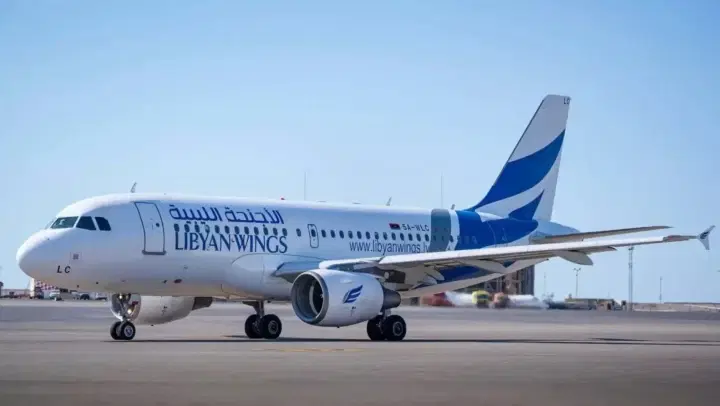
Currently, there are only a few airlines operating flights to and from Libya, as their destinations have long been limited to countries such as Tunisia, Jordan, Turkey, Egypt, Saudi Arabia, and Sudan.
The ministry added that the ICAO decision will be circulated to all 193 member states to act accordingly.