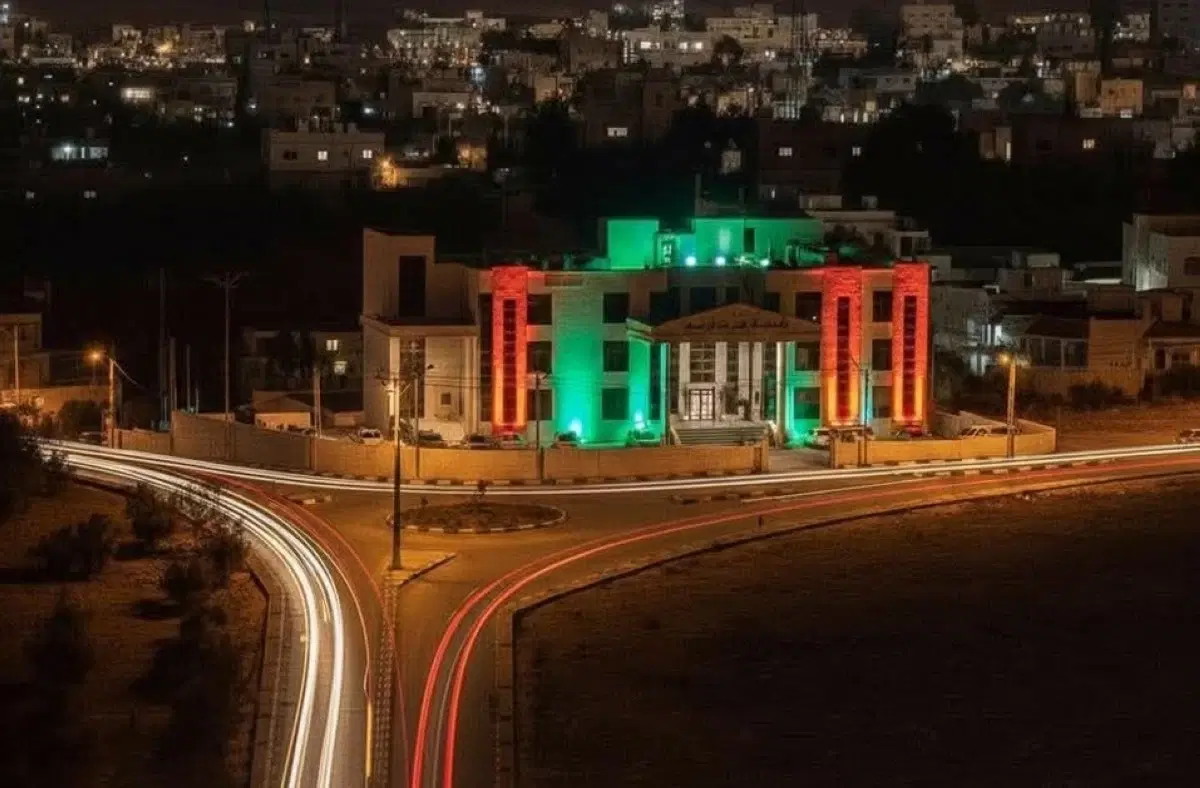
West Irbid Municipality Increases Revenues and Reduces Expenditures During the Year
Amman2 min read
Share
The Chairman of the West Irbid Municipality Committee, Muhammad Ali Al-Qudah, confirmed that the municipality achieved tangible progress in financial discipline, revenue improvement, and expenditure rationalization during its first year since the committee assumed its duties in July 2025, alongside enhancing the level of services provided to approximately 99,000 people within ten regulatory areas. Al-Qudah said that the municipality's budget for 2026 increased to 5,911,864 dinars, a growth of 8.28 percent from the previous year, while the revenue collection rate reached 94.04 percent of the estimate, along with an actual reduction in expenditures by 25 percent from the planned budget.
He added that expenditure control measures contributed to achieving an operational saving exceeding 534,000 dinars in fuel, maintenance, and lighting items, in addition to completely halting unnecessary capital investment expenditures, reducing rental expenses by 50 percent, and continuing to settle accumulated obligations towards social security through the scheduling of 120 installments.
He pointed to the implementation of a package of road paving, maintenance, and expansion projects, and the installation of 1,200 energy-efficient lighting units, alongside the implementation of solar energy projects with a capacity of 90 kilowatts to reduce the energy bill.
He explained that the municipality worked to enhance its resources and improve operational efficiency, in parallel with the implementation of 72 cleanliness, afforestation, and planting campaigns of about 5,000 trees, and the inauguration of Al-Istiqlal Park in Kafrayouba.
In the field of digital transformation, the municipality electronically archived more than 21,000 transactions, while continuing to publish reports, decisions, and tenders through its website, and strengthened its partnerships with local and international institutions.
Al-Qudah confirmed that the next phase will focus on implementing the strategic plan 2024-2028, particularly in developing waste management and recycling, supporting sustainable agriculture, and updating the digital infrastructure.