UN: Taiz hospital fuel for 4 days and 52,000 children suffer from malnutrition
Agencies4 min read
Share
The World Health Organization (WHO) warned on Tuesday that fuel stocks in 12 hospitals in the Yemeni city of Taiz are sufficient for only about 4 days, while the United Nations Children's Fund (UNICEF) announced that more than 52,000 children screened in Taiz this year are suffering from severe acute malnutrition.
This came during a weekly press briefing at the UN office in Geneva, in which WHO spokesperson Tarik Jasarevic and UNICEF Representative in Yemen Achim Ayer participated.
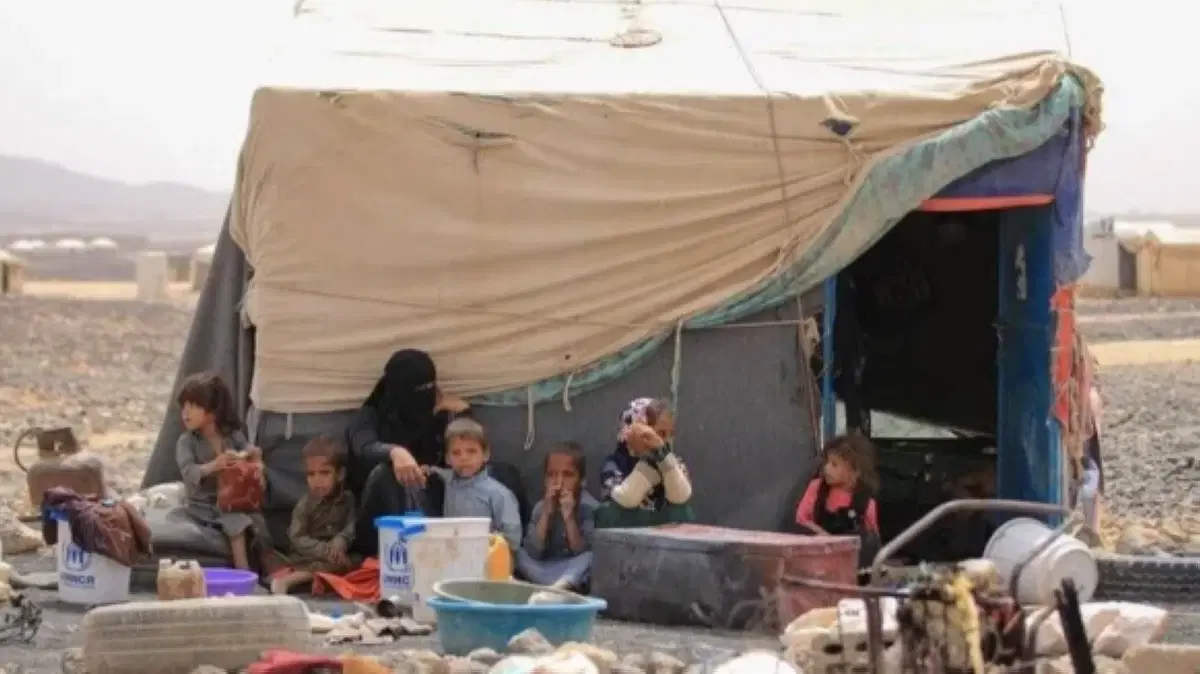
Jasarevic said that the humanitarian and health crisis in Yemen is worsening rapidly, in light of escalating clashes, mass displacement, and the spread of infectious diseases.
He explained that the escalation of violence, displacement, and the increasing outbreak of diseases are placing enormous pressure on the Yemeni health system, which is already operating at the limits of its capacity.
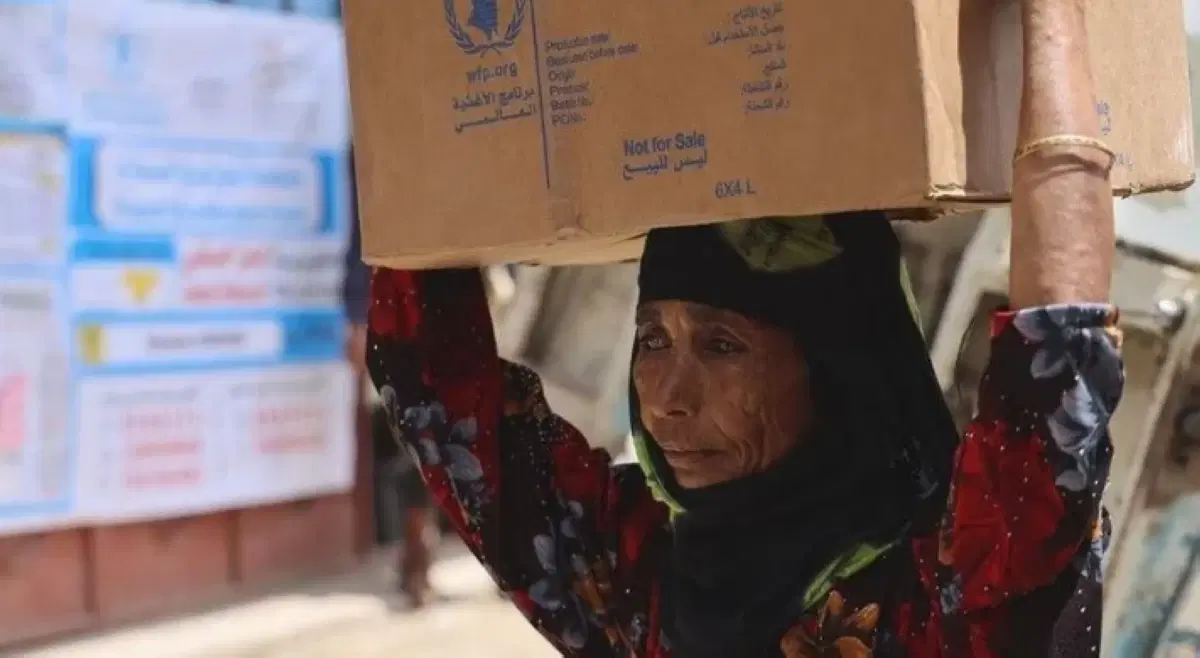
He pointed out that the health system in Taiz is facing "critical" risks, as clashes and road closures hinder the arrival of fuel, oxygen, medicines, and essential medical supplies to hospitals, putting the lives of patients in need of life-saving treatments at direct risk.
He added that the remaining fuel stock in 12 hospitals in the city is sufficient for only about 4 days, noting a daily deficit in oxygen supplies of 91 units.
He pointed to the rapid rise in cholera cases in Yemen, warning that overcrowding in displacement sites and the lack of water, sanitation, and hygiene services increase the risks threatening public health.
He stated that the organization has managed to secure only $3.8 million out of the $31 million it needs to implement a 90-day response plan, leaving a funding gap of $27.2 million.
** More than 52,000 children suffer from severe acute malnutrition
For his part, Ayer said that UNICEF conducted health screenings for more than 168,000 children in Taiz this year, which showed that more than 52,000 of them suffer from severe acute malnutrition.
He warned that the escalation of clashes and fuel shortages in Taiz threaten the organization's water systems, which serve about 3 million people, including at least 1.6 million children.
He explained that Taiz, which is considered one of the Yemeni regions suffering most from water scarcity, is facing renewed pressure on basic services provided to thousands of displaced families.
He pointed out that the diesel shortage threatens to stop water pumps, while the cost of water transported by trucks has tripled since the last price increase, making access to safe water beyond the means of families already struggling to secure food.
He emphasized that the repercussions of water scarcity go beyond thirst, as the use of unsafe water and poor sanitation services increase the risks of diarrhea and cholera.
Since July 2026, Yemen has been witnessing a military escalation between the Houthi group and government forces, considered the widest since the relative calm that followed a truce that began in April 2022.
Taiz Governorate has been witnessing intermittent confrontations between government forces and the Houthis for years, while local authorities and human rights organizations accuse the group of closing main roads leading to the city and imposing restrictions on the movement of residents and supplies.
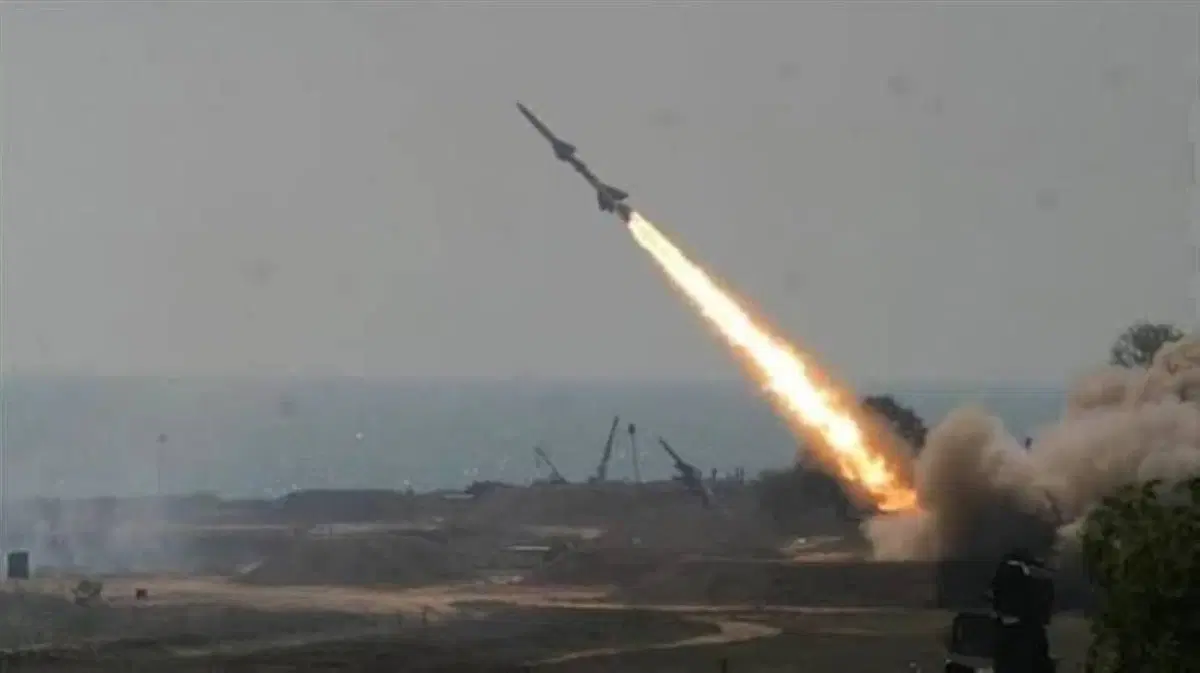
During the last few days, the intensity of confrontations and shelling has escalated in a number of Yemeni governorates, coinciding with Houthi missile and drone attacks on sites inside Yemen and in Saudi Arabia, and military responses from government forces and the Coalition to Support Legitimacy in Yemen.
Yemen has been witnessing a war since the Houthis took control of the capital, Sanaa, and several governorates in September 2014, before an Arab coalition led by Saudi Arabia intervened in March 2015 in support of the internationally recognized Yemeni government.